How Do You Remove Fluoride From Drinking Water

So, the other day, my friend Sarah—the one who researches everything to death—shows up at my door with a jug of water. She looked triumphant, like she’d just solved a cold cas...
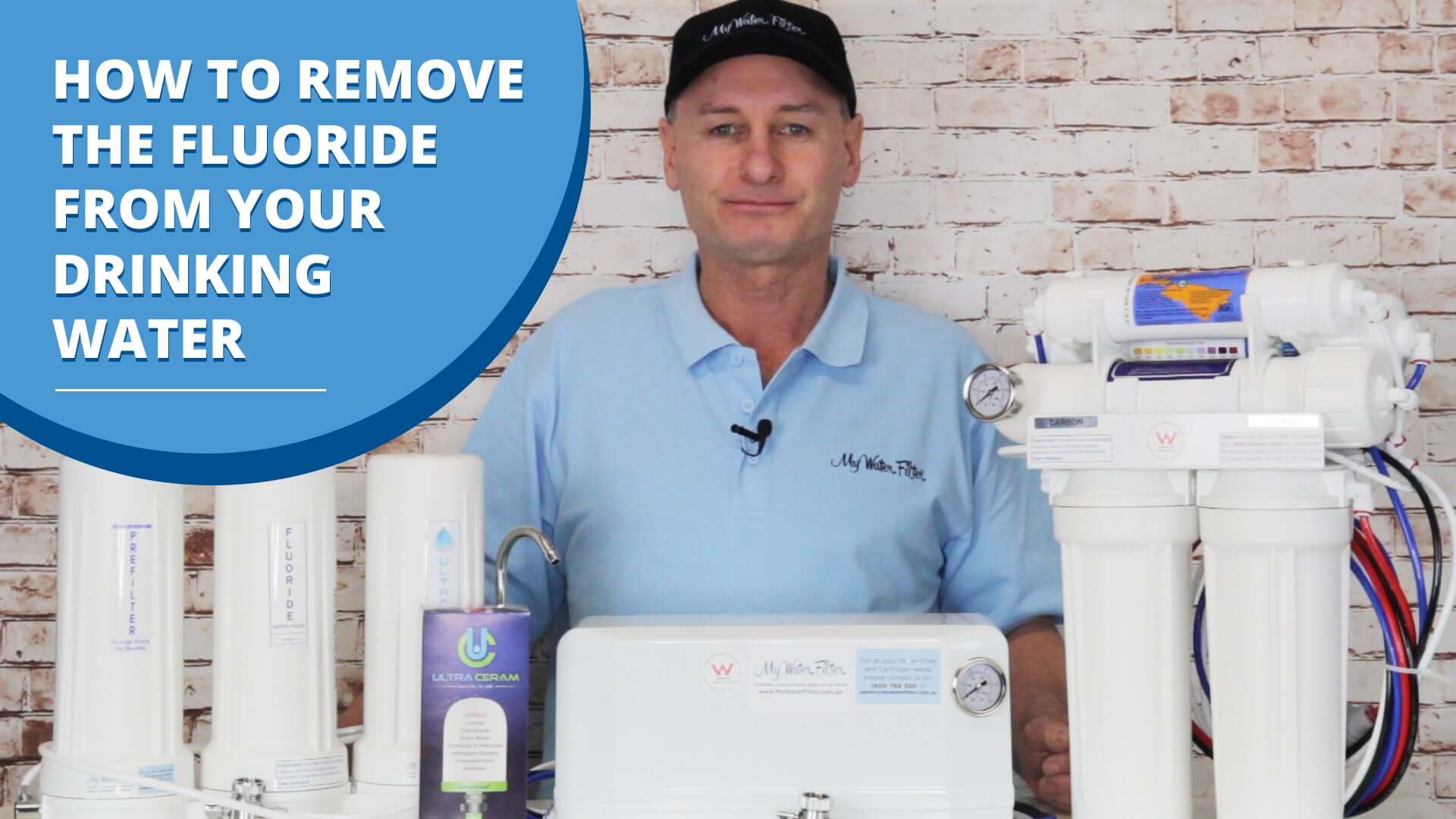
So, the other day, my friend Sarah—the one who researches everything to death—shows up at my door with a jug of water. She looked triumphant, like she’d just solved a cold case. “Taste this,” she said, her eyes wide. I took a sip, and honestly? It tasted like... water. But Sarah was adamant: this was fluoride-free water, and she’d spent the weekend building a homemade filter in her sink.
That’s when I got curious. Why would someone go through all that trouble? Turns out, Sarah isn’t alone. More people are wondering how to remove fluoride from their tap water, and it’s a rabbit hole that’s part science, part paranoia, and all about personal choice. Let’s wade into it together, shall we? (Grab your water bottle—it’s about to get nerdy.)
The Fluoride Frenzy
First, a quick reality check: fluoride is added to many public water supplies to prevent tooth decay. It’s been a public health win since the 1940s. But—and you knew there was a “but”—some folks worry about long-term exposure, especially with all the other stuff in our water these days.
Must Read
If you fall into the “I’d rather choose my own minerals” camp, you’re not weird. You’re just proactive. The tricky part? Fluoride is a tiny, stubborn ion that laughs at basic pitcher filters. Your average Brita or PUR? Useless against it. Sorry, but they’re just giving it a nice little bath.
The Heavy Hitters: Methods That Actually Work
Let’s cut to the chase. If you want fluoride out, you need serious equipment. No magic stones or copper jugs—those are for Instagram aesthetics, not chemistry. Here are the real, proven ways to do it, ranked from “easy but pricey” to “you’re basically a chemist now.”
Reverse Osmosis (The Gold Standard)
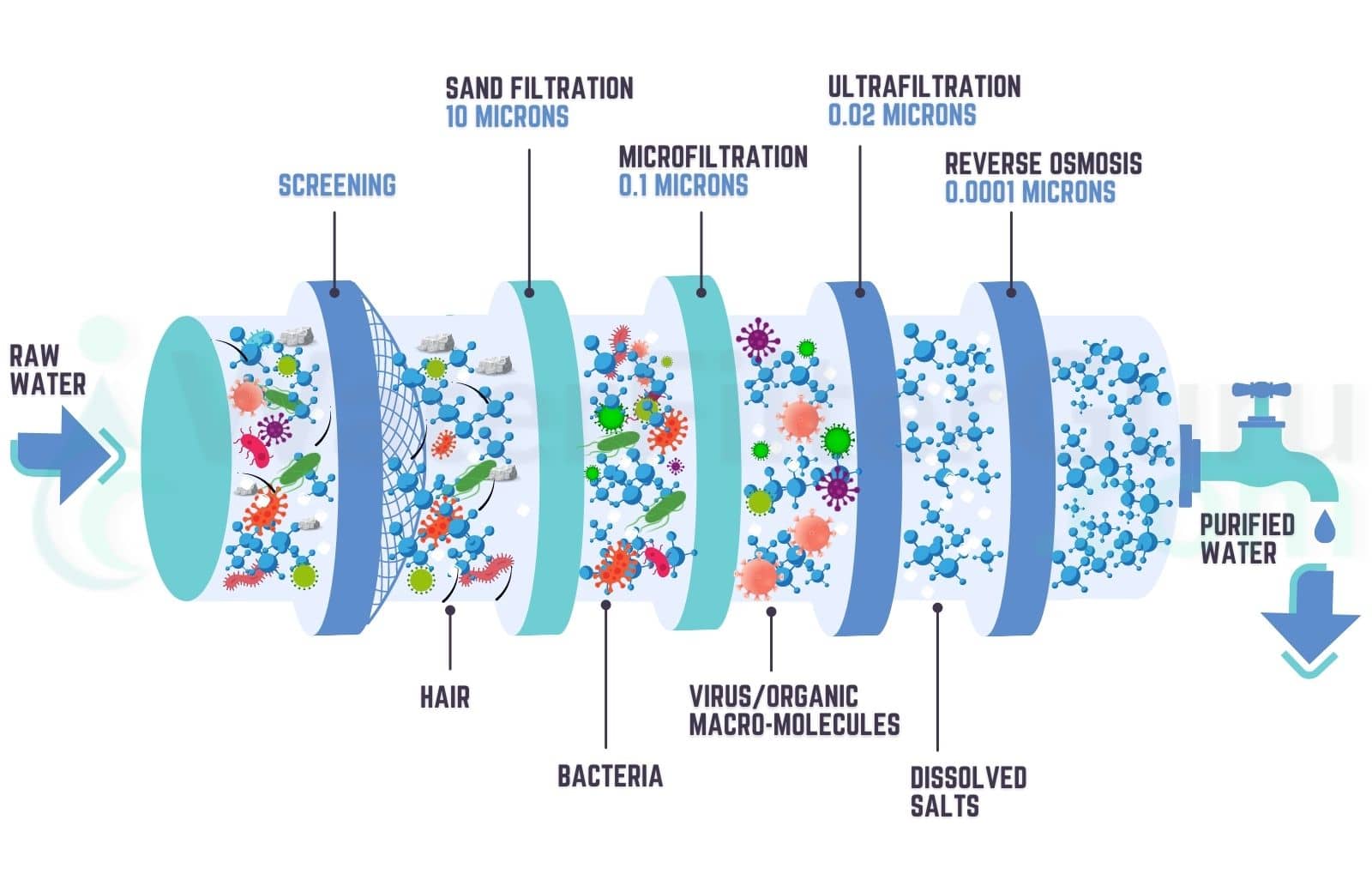
This is the most effective method for homes. Reverse osmosis (RO) pushes water through a semi-permeable membrane that blocks 90-99% of fluoride. It also removes lead, arsenic, and that weird taste your tap sometimes has. The catch? It’s slow, wastes a bit of water (think 3-4 gallons wasted per gallon filtered), and costs a few hundred bucks upfront.
But hey, you’ll feel like a mad scientist watching that little tank fill up. I’ve got one under my kitchen sink, and the only downside is explaining to guests why their “normal” water tastes too clean. “It’s the future, Susan.”
Distillation (The Old-School Classic)
A distiller boils water to steam and then condenses it back into liquid. The theory is flawless: fluoride and nearly everything else (salts, metals, viruses) get left behind in the boiling chamber. You end up with water so pure it’s almost aggressively neutral. The downsides? It uses electricity, takes hours per gallon, and the water can taste flat without minerals added back.
Also, counter space. Distillers look like a R2-D2 that gave up on life. But hey, if you want a conversation starter—and zero fluoride—this is your gadget.
The “Almost But Not Quite” Methods
Let’s talk about what won’t work, because I’ve seen way too many blog posts claiming a charcoal stick does the job. It doesn’t. Activated carbon filters are fantastic for chlorine, bad tastes, and some pesticides—but fluoride is too small for carbon to grab.
 How to Remove Fluoride from Water: 4 Effective Methods
Then there’s the wild world of “water ionizers”. Some brands claim their machines “filter out fluoride.” Most don’t, unless they have a specific fluoride removal cartridge inside. Read the fine print, friends. Your wallet will thank you.
The Cheaper Hack: Countertop Filters with Special Media
If you don’t want the full RO system or a distiller, look for filters that contain activated alumina or bone char carbon. These materials are designed to chemically adsorb fluoride. They’re sold as countertop units or under-sink cartridges. The catch? You have to replace the cartridges more often, and they don’t remove everything else like RO does.
It’s a solid middle ground—better than nothing, cheaper than a whole-house system. Just remember: “better than nothing” is not the same as “fluoride-free.” Test your water afterward if you’re a data nerd like Sarah.
A Word of Caution (Because I Care)
Here’s the ironic part: once you remove fluoride, your dental health might take a hit—especially for kids. Dentists aren’t joking when they say fluoride strengthens enamel. If you go full removal, consider using a fluoride toothpaste or a supplement (talk to your doctor, not Dr. Google).
Also, don’t fall for the “fluoride is a mind-control poison” rabbit hole. It’s not. But if you want to reduce your total exposure for personal reasons, that’s perfectly fine. Just do it with science, not scare stories.
The Bottom Line (Sip Wisely)
So, how do you remove fluoride from drinking water? You buy a reverse osmosis system, get a distiller, or use a specialty filter with activated alumina or bone char. Everything else is just wishful thinking—and probably a waste of money.
Sarah went with a countertop distiller. She now spends her weekends watching water boil, and she’s never been happier. Me? I stick with my RO, and I drink tap water at restaurants without freaking out. Do what feels right for you, but please don’t start hoarding plastic jugs from the store. Your planet—and your sanity—will thank you. Cheers!
