Salt Free Water Softener And Filtration System

So, you’ve got hard water. You know the signs: the showerhead looks like it’s wearing a chalky fur coat, your dishes come out spotted, and your skin feels like you just bathed...
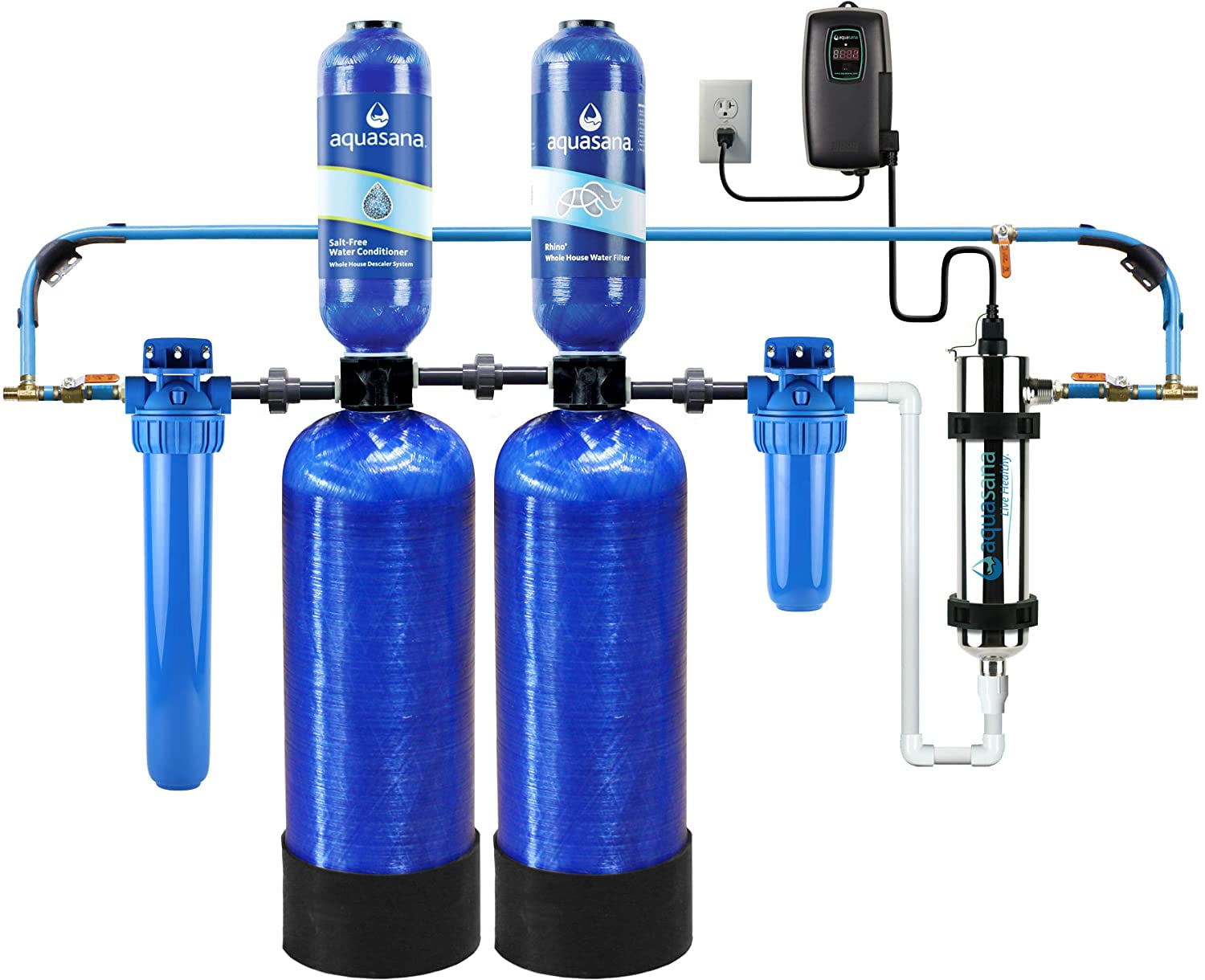
So, you’ve got hard water. You know the signs: the showerhead looks like it’s wearing a chalky fur coat, your dishes come out spotted, and your skin feels like you just bathed in a bag of sand. You’ve heard about water softeners, but the idea of lugging giant bags of salt home every month makes you want to cry into a glass of—ironically—hard water.
Well, grab your favorite mug and pull up a chair, because I’m about to introduce you to the hero we never knew we needed: the salt-free water softener (often paired with a filtration system). Spoiler alert: it doesn’t actually “soften” water in the sci-fi way you think, but it’s still a game-changer. And no, there’s no giant salt block involved. You can put down the pickaxe.
What’s the Big Deal with Hard Water, Anyway?
Hard water is basically water that went to a mineral buffet and loaded up on calcium and magnesium. Think of them as those clingy friends who always overstay their welcome. They stick to your pipes, your faucets, and your hair, leaving behind crusty white residue that looks like a medieval castle’s foundation.
Must Read
Your appliances hate it. Your plumbing hates it. That poor kettle? It’s staging a silent protest. Hard water can cut the life of your water heater by up to 50%. That’s like buying a car that spontaneously ages into a classic before you’ve made the first payment.
Alright, So What’s a Salt-Free System Doing That My Great-Grandma’s Salt Block Couldn’t?
Here’s where the plot twists: a salt-free system doesn’t actually remove hardness minerals. It just bribes them to behave. Instead of dumping sodium into your water (which, let’s be real, is not great for your blood pressure or your garden), it uses a process called template-assisted crystallization (TAC). That’s science talk for “turning minerals into microscopic, non-sticky crystals.”
Think of it like this: normal hard water minerals are like toddlers with glue-sticks. A salt-based system kicks them out the door. A salt-free system just hands them a coloring book and a nap. They still exist, but they can’t stick to anything. Your pipes stay clear. Your skin stays soft. And you don’t have to watch your water bill skyrocket.
But Wait—Does It Actually Work? (And Why Is Everyone So Angry About It?)
Ah, the great water war. Salt-free advocates will shout it from the rooftops. Salt-based traditionalists will wag their fingers. Here’s the unvarnished truth: if you need zero limescale for a medical device or you’re trying to make espresso that tastes like a cloud, a salt-based system might still win. But for 90% of households, salt-free is a miracle of modern convenience.
Surprising fact: the water coming out of a salt-free system is technically still “hard” by lab standards. But the behavior of the water changes so dramatically that you won’t care. It’s the difference between a lion in a cage and a lion on a leash—both are lions, but only one lets you sleep through the night.
And the Filtration Part? Oh, It’s Sneaky.
Most salt-free systems come with a filtration stage strapped to them like a sidecar on a motorcycle. This is where they really shine. They’ll filter out chlorine (that pool-water taste), sediment, and sometimes even lead or volatile organic compounds (VOCs). You get water that tastes like it came from a mountain spring—but without the hike and the bear encounters.
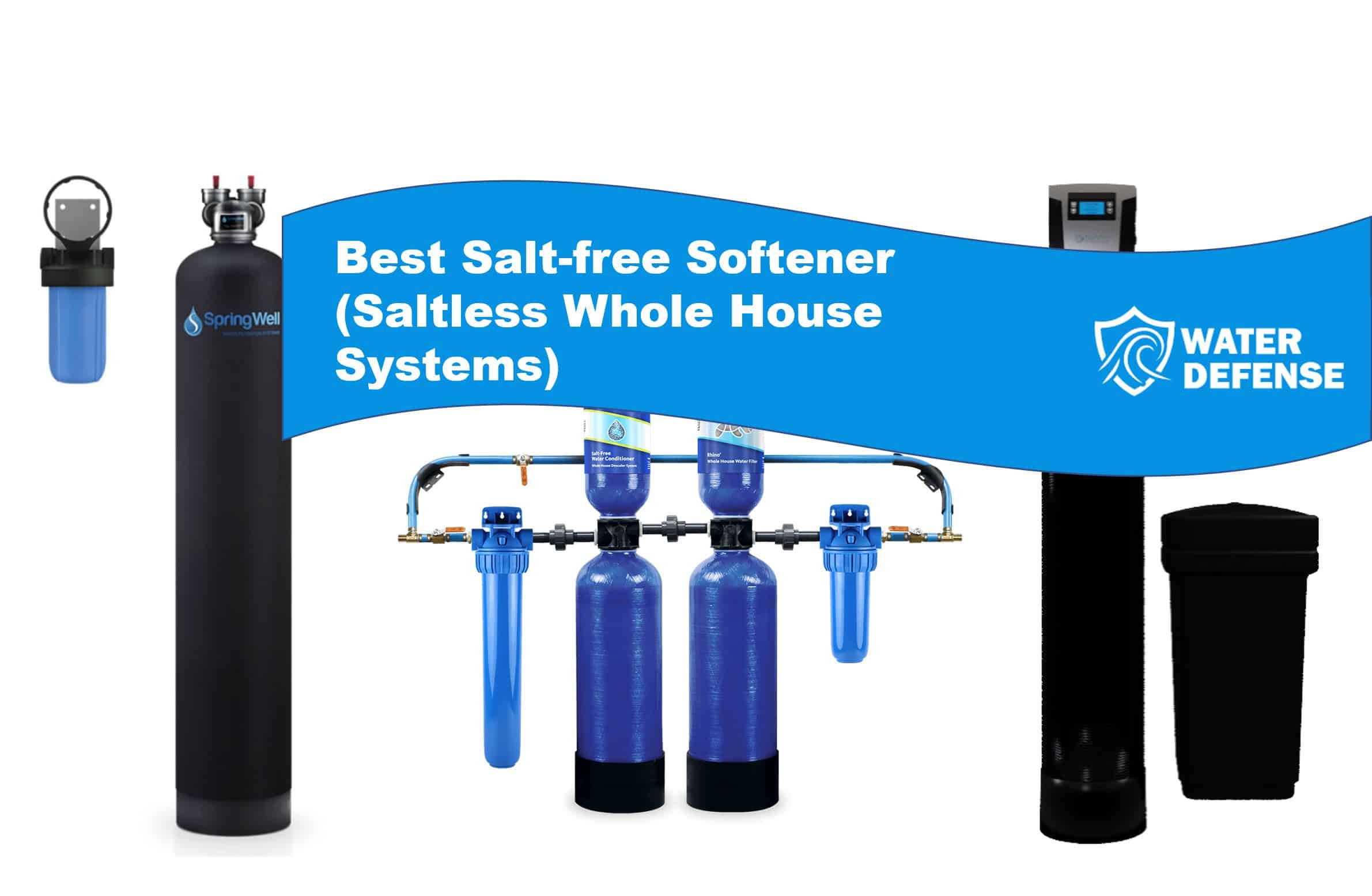 The 4 Best Salt-Free Water Softener Systems
One study found that a simple carbon filter can reduce chlorine by 97%. Your morning coffee will finally stop tasting like a regretful swim. Your shower will smell like rain instead of a public pool. It’s spa-level luxury for the price of a Netflix subscription.
But Won’t I Miss My Salt? (Said No One Ever)
Let’s talk logistics because nobody cares about crystals if they’re high-maintenance. A salt-free system uses no electricity. No backwashing. No brine tank to clean. No trips to the store to buy a fifty-pound bag of sodium that you then have to wrestle into the basement like a very uncooperative pet. You just install it, and it chugs along for years with zero drama.
For the $1,000 to $3,000 price tag (installed), it’s more expensive upfront than a salt-based unit. But over ten years? You’ll save on maintenance, salt, and plumbing repairs. Plus, you’ll never have to explain to a houseguest why there’s a giant bucket of white rocks in your garage.
Who Actually Needs This Thing? (Hint: It Might Be You)
If your water is moderately hard (say, 7–15 grains per gallon), a salt-free system is basically a cheat code. It’s perfect for people who loathe maintenance, live on a septic system (salt kills septic tanks), or just want to enjoy a bath without feeling like you’re marinating in chalk dust. Also: if you have to buy bottled water because your tap tastes like a lawnmower blade, the filtration part is your new best friend.
And here’s a wild stat: hard water can cost you $800 a year in extra energy bills and appliance repairs. A salt-free system pays for itself in about two years. That’s like finding a $20 bill in every pair of jeans, but fancier.
The Final Sip (Of Your Now-Delicious Water)
Look, I’m not saying you need to throw rocks at your old water softener. But if you’re tired of the salt life, or you just want water that doesn’t leave your hair feeling like straw, a salt-free softener and filtration system is your ticket to the promised land. It’s low drama, high performance, and it won’t judge you for drinking tap water straight from the fridge.
So go ahead. Ditch the salt. Embrace the crystals. Your pipes, your skin, and that poor kettle will all thank you. And if anyone asks why you switched, just tell them you’re on a mineral-rehabilitation program. They’ll nod wisely and assume you’re very sophisticated.
