Activated Carbon Filter For Water Purification

Let’s talk about activated carbon. No, it’s not a fancy new energy drink. It’s a sponge-like superhero for your tap water. And honestly? It’s way more fun than you think. Wha...
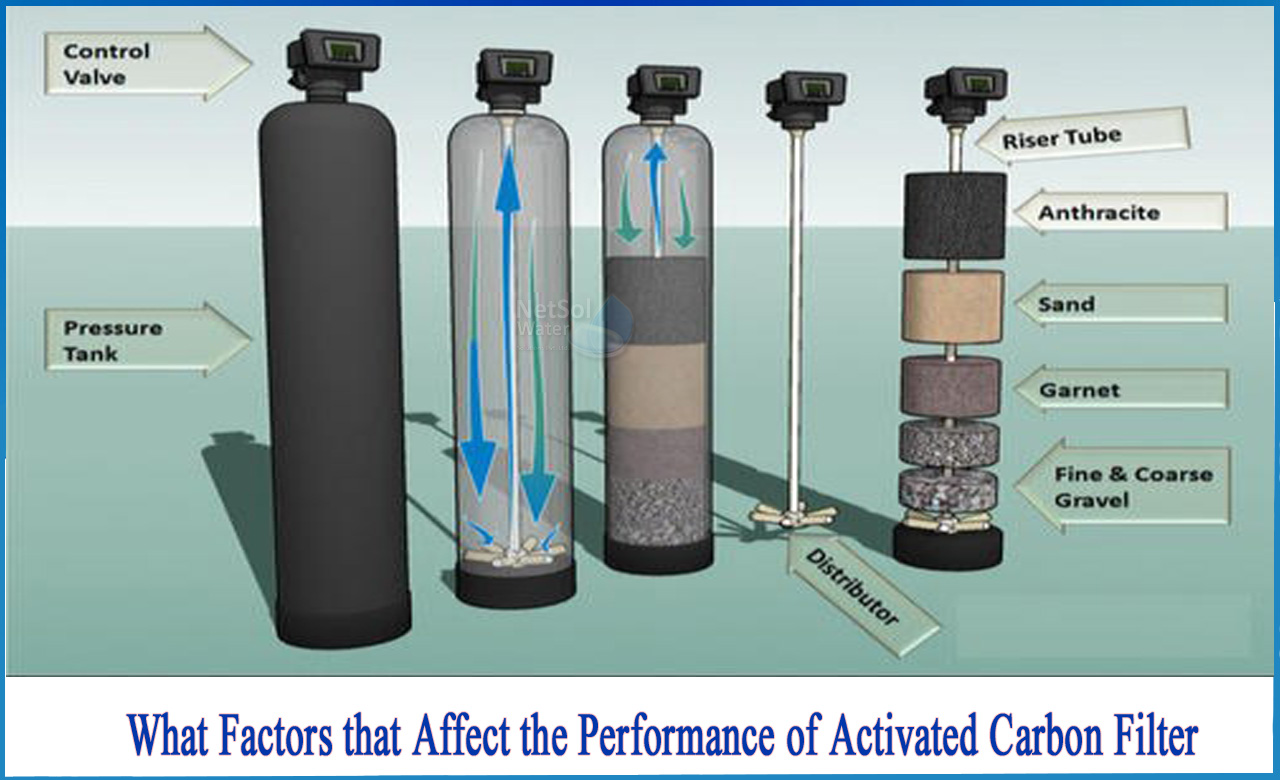
Let’s talk about activated carbon. No, it’s not a fancy new energy drink. It’s a sponge-like superhero for your tap water. And honestly? It’s way more fun than you think.
What even is activated carbon?
Picture a chunk of charcoal. Now, imagine it got super-heated and blasted with gas until it’s full of tiny holes. That’s activated carbon. Those holes are like microscopic ziplines for bad stuff.
One gram of this stuff has a surface area the size of a football field. Yes, really. Your sink filter is hiding a secret football stadium inside.
Must Read
The magic trick: Adsorption
Here’s the key—it doesn’t “absorb” like a paper towel. It “adsorbs.” That little ‘d’ makes all the difference. It means pollutants stick to the carbon like static-cling socks to a sweater.
Chemicals, chlorine, and weird tastes get yanked out of the water. They hold on for dear life. Your glass of water stays clean and happy.
Quirky fact: It’s older than dirt (sort of)
Ancient Egyptians used charcoal to purify water 4,000 years ago. They didn’t know about “adsorption.” They just knew their water tasted less swampy. We’ve been upgrading the recipe ever since.
Today, we make it from coconut shells, wood, or coal. Coconut shells are the rockstars here—they’re renewable and smell faintly of tropical islands. Your filter might be part coconut. How fun is that?
What it doesn’t do
Let’s be honest. Activated carbon is amazing, but it’s not all-powerful. It won’t remove salt, heavy metals, or bacteria. It’s a taste-and-smell champion, not a complete water warrior.
Think of it as the bouncer at a club. It stops the smelly, ugly stuff (chlorine, pesticides). But it lets the friendly little minerals through. That’s why your water still tastes like water, not a science experiment.
Why your water loves it
Chlorine makes water safe. But it also smells like a swimming pool’s bad day. Activated carbon says “Not on my watch!” and poof—the smell is gone.
It also tackles volatile organic compounds (VOCs). That’s a fancy name for paint-thinner leftovers and weird chemical ghosts. Carbon traps them like invisible flypaper. Your morning coffee suddenly tastes like coffee, not cleaning products.
The fun part: It’s a second chance
Every carbon filter has a “game over” moment. When it’s full of stuck-on gunk, it stops working. That’s why you swap the cartridge. But here’s the twist: you can reactivate some carbon with super-high heat.
Most people don’t do this. It’s messy. But knowing you could is oddly satisfying. It’s like your filter has a secret rebirth button.
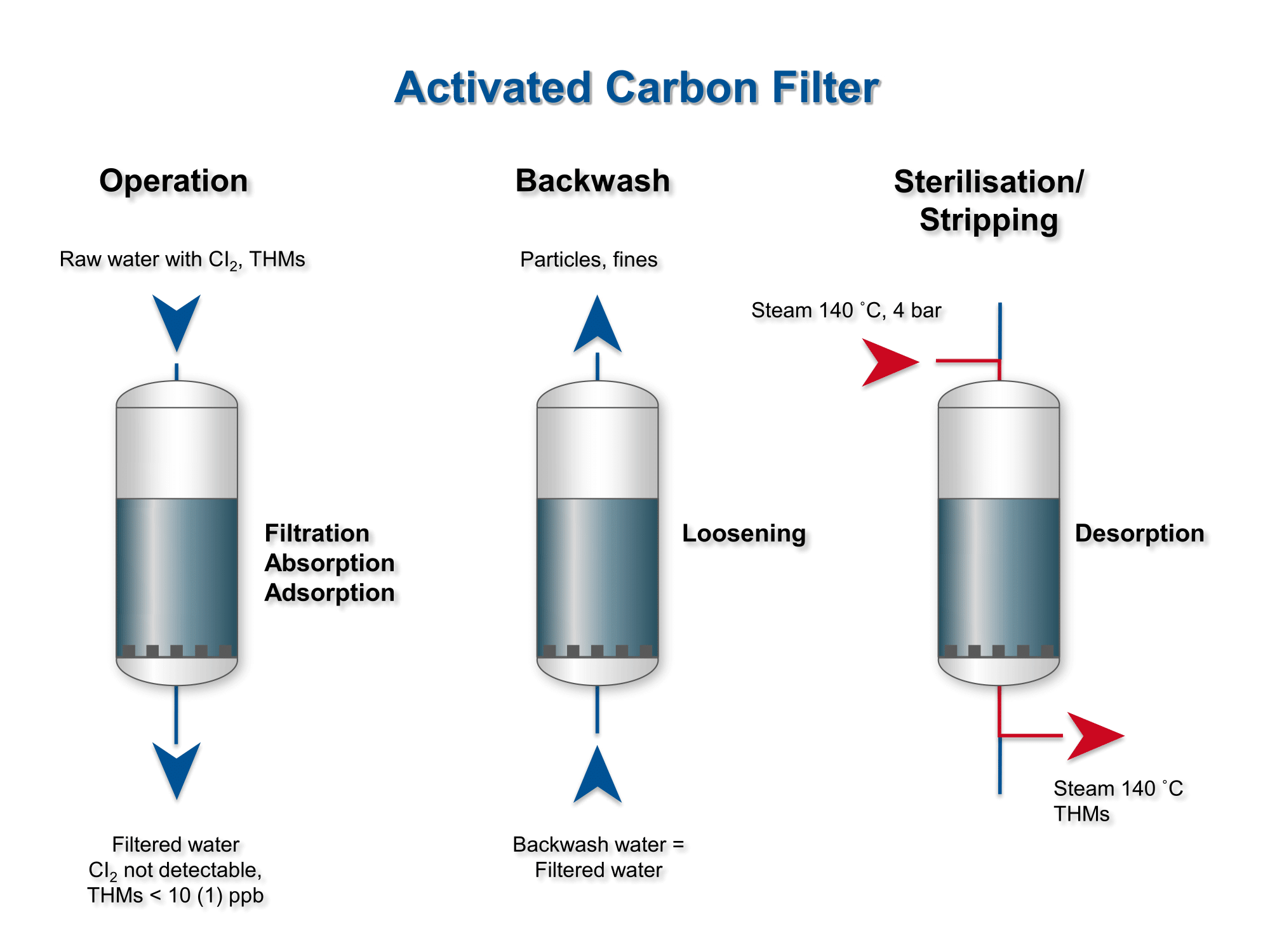 Water Filtration Activated Carbon at Abigail Schardt blog
The weirdest thing it filters
It can remove radon gas. Yes, radioactive gas from underground. That’s right: a piece of charcoal can literally snatch a radioactive goblin out of your water. It’s not a villain—it’s a tiny hero.
Also, it loves tannins. Those are from decaying leaves and make water look like iced tea. Carbon says “No tint for you!” and leaves your glass crystal clear. Chef’s kiss.
How to know if you need one
Does your tap water taste like a band-aid? That’s chlorine. Does it smell like a damp basement? That’s organic gunk. A carbon filter is your cheap, cheerful fix.
You don’t need a PhD in chemistry. You just need a filter pitcher, a faucet attachment, or a whole-house system. It’s like giving your water a spa day.
The reality check (still fun)
Activated carbon is not a miracle cure for all water woes. If you have lead pipes, you need a different filter. But for everyday yuck-fighting? It’s king.
And here’s the kicker: it’s sustainable. We can make it from waste like peach pits or bamboo. Your filter might be saving the planet one sip at a time. That’s not just fun—it’s righteous.
The final reason to love it
It doesn’t need electricity. It doesn’t have moving parts. It just sits there, being a porous legend. Gravity pulls water through, and the carbon does its dance. No noise. No drama.
You can literally watch water turn clear in a carbon filter if you look close. It’s a tiny magic show happening in your kitchen. Every glass is a little victory for science.
So next time you take a sip, think about the football-field-sized holes inside your filter. Think about the ancient Egyptians and the coconut shells. And smile—because your water just got a hug from a glorified sponge.
Now go pour yourself a glass. You earned it. And thank the carbon—it’s doing the hard work.
