Diy Rainwater Collection And Filtration System

Ever looked up at the sky during a storm and thought, “That’s a lot of free water just going down the drain?” Seriously, think about it. While you’re paying a bill for water t...
Ever looked up at the sky during a storm and thought, “That’s a lot of free water just going down the drain?” Seriously, think about it. While you’re paying a bill for water to sprinkle on your tomatoes, Mother Nature is dumping a perfectly good supply right on your roof. It feels a bit silly, doesn’t it?
Why Bother Collecting Rain?
First off, it’s incredibly satisfying to use something you caught for free. It’s like foraging, but instead of mushrooms, you’re harvesting water. Plus, your plants actually prefer rainwater over tap water because it lacks chlorine and other chemicals.
You’re also giving your local water treatment plant a tiny break. Every liter you catch is one less liter they have to process and pump. It’s a small, rebellious act of self-sufficiency that makes you feel like a suburban survivalist—without the bunker.
Must Read
The Simple Setup: Starting Small
You don’t need a massive cistern or a degree in plumbing to start. The absolute simplest way is to grab a barrel and stick it under a downspout. You’ll just need a diverter, a cheap plastic doodad that shunts water from your gutter into the barrel instead of the ground.
Think of it like this: your roof is a big, slanted collection tarp, and your gutters are the delivery service. You’re just swapping the final destination. Even a single 50-gallon barrel can water a decent vegetable patch for a week during a dry spell.
The “Dirty” Secret: Why Filtration Matters
Here’s the thing about that clean-looking rain—it’s not as clean as you’d think. It picks up bird droppings, dust, and bits of old shingle on its trip down your roof. Would you drink that? Probably not. That’s where filtration comes into play.
For watering plants, you can get away with a simple first flush diverter. This clever little pipe catches the first few gallons of dirty water (the “roof rinse”) and sends it away, letting the cleaner stuff flow into your barrel. It’s a polite way of saying, “No thanks, bird poop.”
But what if you want to go a step further? Maybe wash your car or fill a pond? You’ll want to build a proper filter system.
Building a Basic Filter: The Bucket Tower
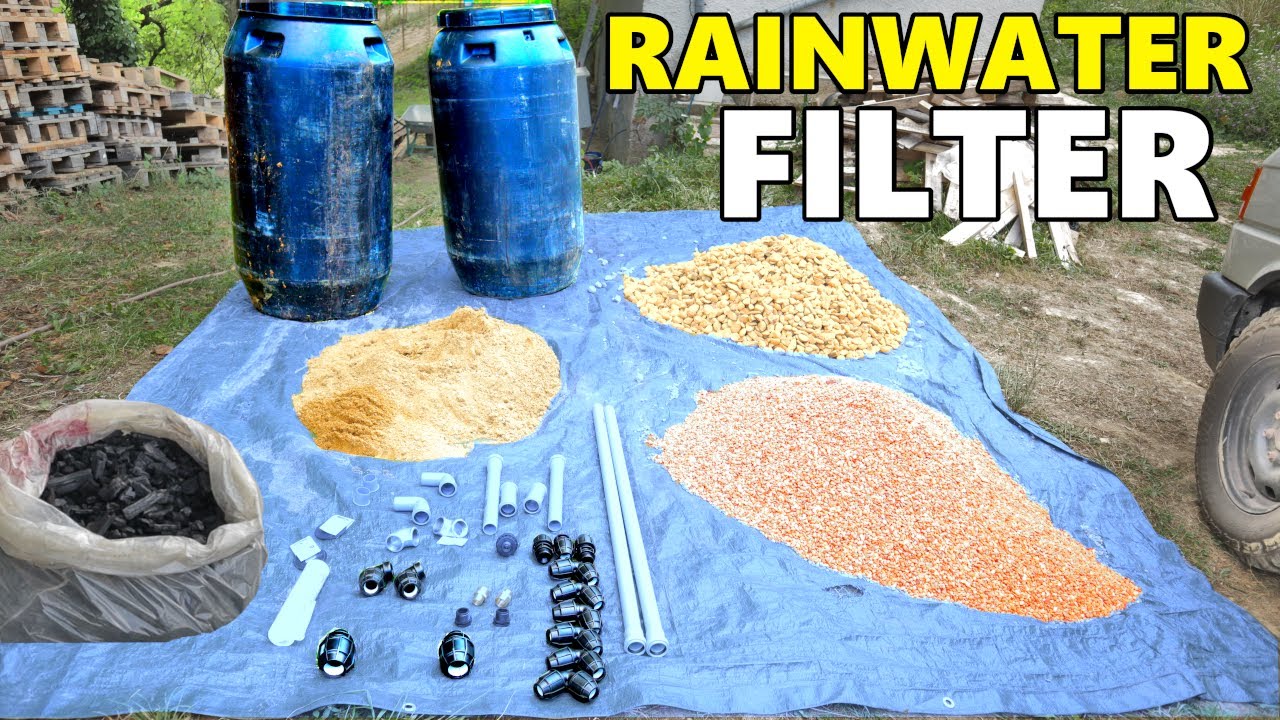
You can make a surprisingly effective filter with a few five-gallon buckets and some basic hardware. Stack them with a gravel layer at the top, then sand, then activated charcoal, and finally more gravel at the bottom. It’s like making a fancy, layered coffee, but for water.
 How to set up a rainwater filtration system the right way – Artofit
This setup catches the big particles, and the charcoal works its magic to absorb smells and chemicals. The water that comes out the bottom is crystal clear and perfect for non-drinking uses. You’ll feel like a mad scientist, and your plants will throw a little party.
The Fun Comparison: Cloud Juice vs. Tap Water
Have you ever tasted rain when you were a kid? It’s soft, light, and flat. Tap water, especially in cities, often has a mineral bite or a faint chlorine aftertaste. Rainwater is like the artisanal spring water of the sky—untreated and gentle.
Your houseplants, which are often sensitive to the salts and chemicals in tap water, will show their gratitude. They’ll perk up, the leaves get glossier, and you can smugly think, “Yes, they love my cloud juice.” It’s a weird flex, but a valid one.
Pro Tips for a Chill System
Mosquitoes are the enemy of any standing water. A single, uncovered rain barrel can become a mosquito nursery overnight. Use a fine mesh screen over the top and keep it tight. Also, paint your barrel a dark color—it looks nicer and stops algae from growing inside.
Another trick? Place your barrel on cinder blocks. Gravity is your friend here. The higher your barrel sits, the better the water pressure you’ll get from a simple hose spigot at the bottom. It’s not fire-hose level, but it’s enough to fill a watering can without a struggle.
The Big Picture: Why It’s Actually Cool
This isn’t just about saving a few bucks on your water bill (though that’s nice). It’s about reconnecting with a natural cycle. You start paying attention to the weather not as an inconvenience, but as a resource. “Ooh, a storm coming? My barrel’s almost empty!”
It’s a low-stakes, high-reward project. You mess up? You just have a barrel of rainwater you can dump on the lawn. You do it right? You’ve got a secret stash of gold that falls from the sky. So, are you going to just let that roof gold keep washing away?
