What To Do After Adding Salt To Water Softener

You just dumped a bag of salt into your water softener. Feels good, right? Like you did something responsible for your home. But now you're standing there, wondering, "What ha...
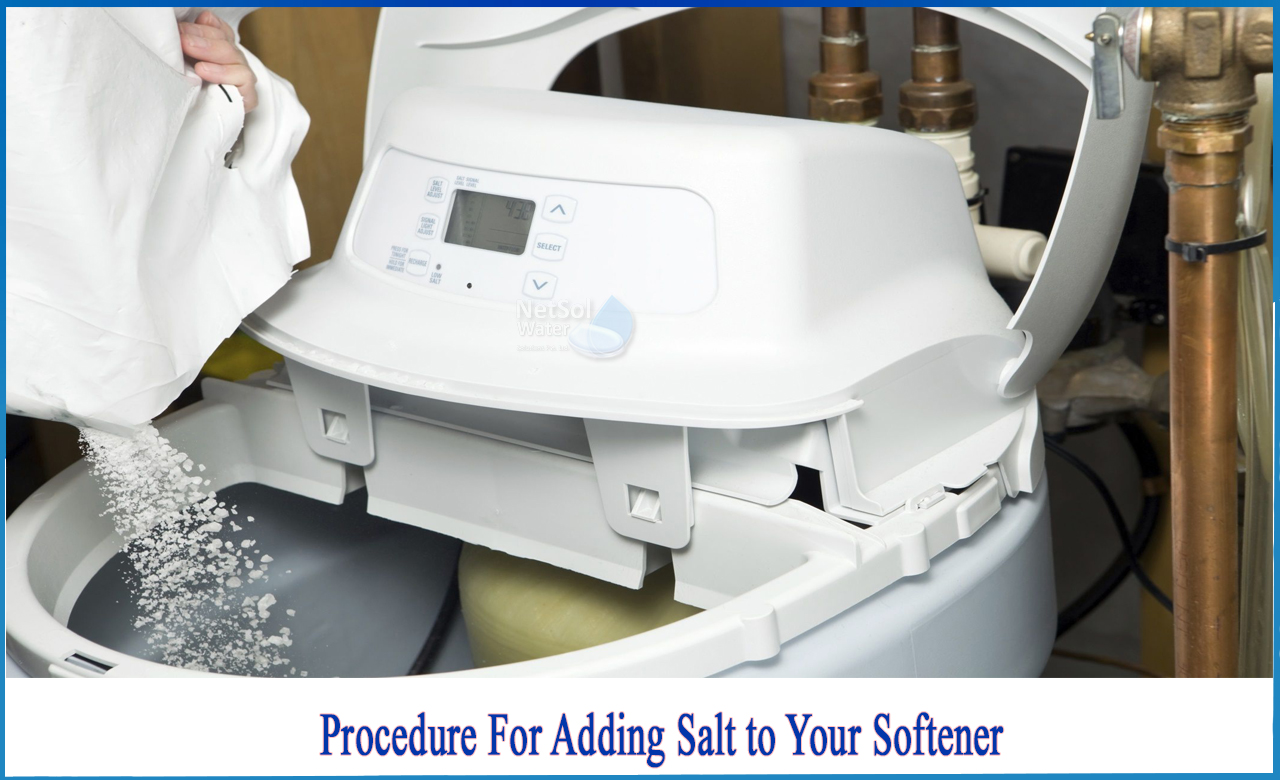
You just dumped a bag of salt into your water softener. Feels good, right? Like you did something responsible for your home. But now you're standing there, wondering, "What happens next?" Don't worry—the system does the heavy lifting, but there are a few cool things to check while you wait.
The Waiting Game (It’s Shorter Than You Think)
After adding salt, your water softener needs time to regenerate. Think of it like a washing machine: it rinses, recharges, and gets back to work. This usually takes about two hours, but newer machines do it quietly at night.
You don't need to stand there with a stopwatch. Go make a cup of tea. The softener's timer or sensor will kick off a regeneration cycle automatically. No manual labor required—just a little patience.
Must Read
What Actually Happens Inside?
Here’s the fun part: the salt dissolves into brine. That brine flows through a resin tank, scrubbing away minerals like calcium and magnesium. It’s basically a spa treatment for your pipes.
Without this cycle, your water would feel harsh and leave spots on glasses. With it? You get silky skin and dishes that sparkle. Compare it to how a dishwasher works after you add detergent—except this cleans your water, not your plates.
Should You Do Anything Right Now?
Yes, but it's simple. Check the salt level in the tank. Is it at least half full? If not, add more now while the system hasn’t regenerated yet. This avoids an "emergency top-off" later.
Also, peek at the brine tank for any salt bridges—that crusty layer on top. If you see one, break it up with a broom handle. It’s oddly satisfying, like cracking ice on a puddle.
The "Hmm, Is It Working?" Test
Run a faucet after the cycle ends. Does the water feel slippery? That’s the softened water doing its thing. If it still feels hard, your setting might be off—check the hardness level dial on the unit.
Wait, here’s a fun fact: softened water can taste a bit salty. Don’t panic. That’s just the sodium ions swapping places with hard minerals. It’s perfectly safe, and many people actually prefer the taste to hard water’s metallic tang.
Why This Trick Matters for Your Appliances
Think of your water heater, washing machine, and dishwasher. Hard water builds up scale in them like plaque on teeth. By adding salt and letting the softener do its job, you’re giving those appliances a longer life.
 Effective Steps for Adding Salt to Your Water Softener: A Complete User
Imagine never buying a new kettle because of limescale. Or your showerhead staying clear for years. That’s the real magic—you’re not just treating water, you’re protecting your investment in your home.
What About the "Brine Overflow" Fear?
First time? You might worry about a saltwater flood. Relax. Softeners have overflow lines that drain into your floor drain or a nearby sink. It’s like a bathtub safety drain—annoying if it happens, but designed to contain a mess.
Still, double-check that the drain line is clear. If it’s kinked or blocked, that brine has nowhere to go. A quick inspection now saves you a soggy basement later. You’re welcome.
When to Call a Pro (Don’t Panic, Just Think)
If your softener is making weird noises or not cycling after 24 hours, something’s up. It might be a clogged injector or a bad valve. But 9 times out of 10, it’s just you forgot to plug it in after adding salt.
Yes, that happens more than you’d think. Check the power cord before calling a plumber. It’s the homeowner’s equivalent of "Did you try turning it off and on again?"
The Bottom Line (Chill Edition)
Adding salt to a water softener is like filling your car with gas—simple, necessary, and then you drive away. The real magic happens behind the scenes. Trust the machine, check the settings, and enjoy your silky showers.
Next time you pour in a bag of salt, remember: you’re not just a homeowner, you’re a water wizard. Your pipes thank you. Your skin thanks you. And that shimmering glass? That’s your victory trophy.
