How Often Should Sanitizer Solution Be Changed

So, I walked into my favorite café last week, you know, the one with the perfect croissants. I grabbed the hand sanitizer pump, gave it a squirt, and something weird happened....
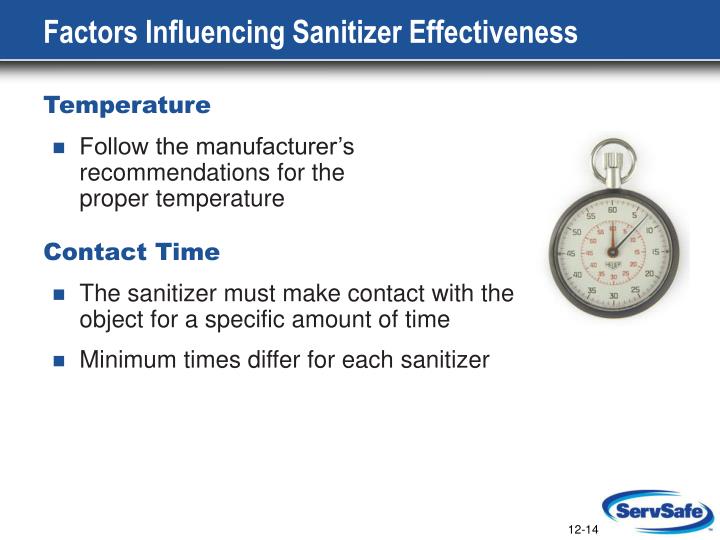
So, I walked into my favorite café last week, you know, the one with the perfect croissants. I grabbed the hand sanitizer pump, gave it a squirt, and something weird happened. The gel came out looking cloudy, with a faint, almost funky smell. I did a quick double-take—had it curdled? Was that a tiny, floating particle? I stood there, hand mid-air, suddenly feeling way less clean than I did five seconds ago.
That little moment got me thinking: How often should we actually be changing that sanitizer solution? I mean, we all see those bottles sitting on desks, store counters, and clinic entrances. They look eternal, don’t they? But trust me, that stuff has an expiration date—and I don’t just mean the one printed on the bottle.
First, a reality check on “permanent” sanitizer
Here’s the thing that shocked me: most alcohol-based hand sanitizers (the 60%+ alcohol kind) actually lose their punch over time. Alcohol evaporates, especially if the bottle is left open or near sunlight. That’s bad news because once alcohol dips below 60%, you’re basically rubbing fancy-scented water on your hands.
Must Read
You might think, “But I keep the cap on!” Great—but every time you pump, you let a little oxygen in. Oxygen is the enemy here. It slowly breaks down the alcohol and any other active ingredients.
The one-week rule (for open bottles)
If you’re using a small, personal bottle you carry around? Change it out every week. Seriously. I know, it sounds excessive. But think about it: you’re opening it maybe ten times a day, your warm hands touch the nozzle, and germs can actually backwash into the solution. I’m not saying it turns into a petri dish—but it’s not exactly sterile after day five either.
For those big, pump-top dispensers you see in offices or shops? The recommendation drops to every two to three weeks. Why the difference? Well, those big tanks don’t get as much oxygen exposure per use. But they do collect dust and grime on the nozzle. I’ve seen those crusty drips, haven’t you? Ugh.
What about the “expiry date” on the label?
Okay, here’s where it gets tricky. Most commercial sanitizers have a printed expiry date, usually two to three years from manufacture. But that date is for unopened bottles. The moment you crack that seal, the clock ticks differently. I’ve seen studies saying open bottles lose about 15% of their alcohol content per month if stored in a warm car. Fifteen percent! That’s huge.
So, if you find an old bottle in your glove compartment from last winter—toss it. I know, you hate waste. But using ineffective sanitizer gives you a false sense of security. You’re better off washing your hands with plain water and soap. At least that mechanically scrubs off the dirt.
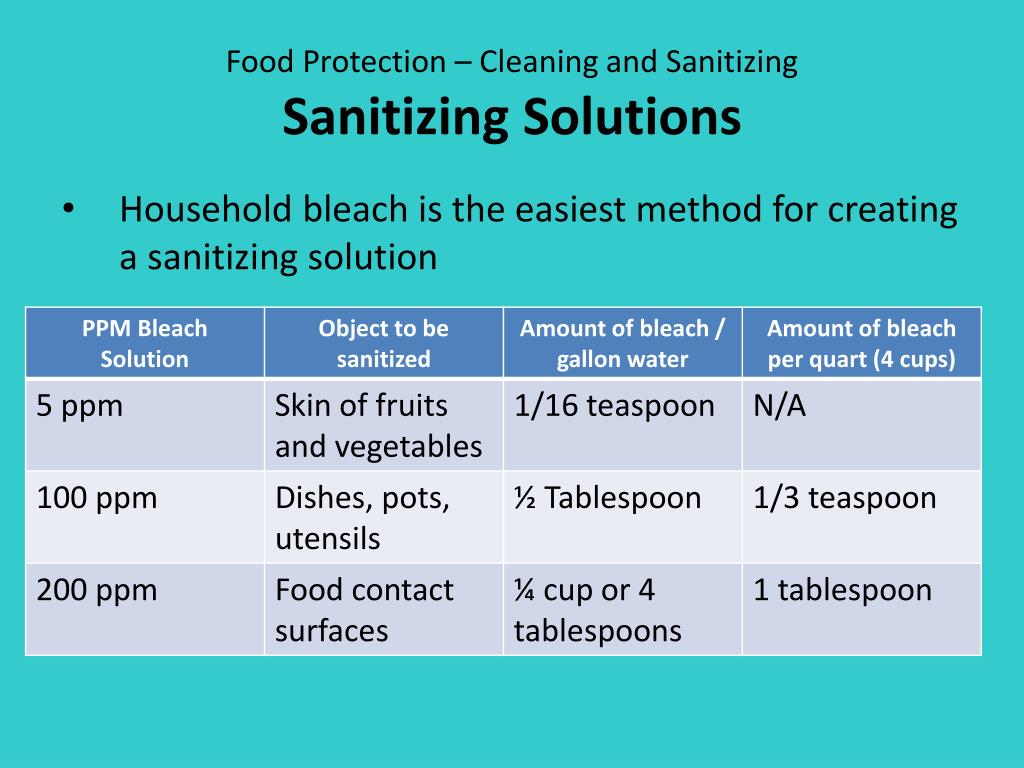 What Is The Correct Ppm For Sanitizer Solution | Detroit Chinatown
A note on non-alcohol sanitizers (like benzalkonium chloride)
These are becoming popular because they’re gentler on skin. Good news: they don’t evaporate the way alcohol does. Bad news: they can grow bacteria themselves if left too long. Yes, irony alert—a germ-killer that hosts germs. Most health experts say you should replace these every two to four weeks maximum after opening. And never, ever add water to “stretch” the solution. That just invites microbial parties.
How to tell if your sanitizer has gone bad
Before you start sniffing every bottle in your house, here are three dead giveaways. Smell it: if it doesn’t smell strongly of alcohol (or whatever the active ingredient is), it’s likely weak. Look at it: if it’s cloudy, separated, or has floaters—bye bye. Feel it: if the gel feels watery or runnier than when you bought it, evaporation has taken its toll.
I once ignored a bottle that was perfectly clear but smelled like cheap perfume. Wanna guess what happened? I sanitized, then later that day touched my eye. Guess who got a stinging, red eye? This guy. The solution had probably gone acidic or something. Not fun.
The final, slightly obsessive tip
Here’s what I do now, and you can laugh at me: I write the opening date on every sanitizer bottle with a permanent marker. If it’s been more than two weeks since I started it, I use it only for cleaning surfaces, not my hands. For hand use, I refill a small travel bottle from a large, newly-opened container every Sunday.
Yes, it feels a bit neurotic. But honestly? During cold and flu season, and with all the “new normal” habits we’ve picked up, having trustworthy sanitizer is a tiny victory. And hey, if you see a cloudy pump at a café, don’t be shy—ask them when it was last changed. They’ll either respect your vigilance or think you're a weirdo. Either way, your hands win.
So, to answer the original question: every week for personal bottles, every two to three weeks for dispensers, and immediately if it looks or smells off. And please, for the love of clean hands, stop topping off old bottles with new solution. That’s like pouring fresh coffee into a moldy cup. Just no.
