Space-saving Salt-free Units For Smaller Homes

Okay, let’s talk about water. Not the fancy bottled kind, but the stuff that comes out of your tap. You know, the stuff that can turn your pristine white laundry into a sad, o...

Okay, let’s talk about water. Not the fancy bottled kind, but the stuff that comes out of your tap. You know, the stuff that can turn your pristine white laundry into a sad, orange-tinged mess.
If you live in a smaller home—a cozy apartment, a tiny house, or even a cramped city condo—you’ve probably stared at a water softener and thought, “Where on earth would I put that thing?” They’re the size of a small refrigerator, and they demand salt bags that look like they belong in a warehouse, not your kitchen pantry.
Well, grab your mug, because I have good news. There’s a hero in the water world, and it’s the salt-free water conditioner. It doesn’t need a brine tank, it doesn’t need you to haul 40-pound bags of salt up three flights of stairs, and it definitely doesn’t need a dedicated corner of your living room.
Must Read
Wait, No Salt? How Does That Even Work?
I hear you. It sounds like magic, or maybe a scam. But it’s neither. It’s science, and it’s actually pretty cool.
Traditional softeners use salt to yank minerals out of your water via a process called ion exchange. They swap calcium and magnesium for sodium. The salt-free units, on the other hand, don’t remove the minerals at all.
Instead, they use a process called template-assisted crystallization (TAC) or catalytic conversion. They physically change the shape of those hard minerals into microscopic crystals that can’t stick to your pipes or your shower head. It’s like telling the limescale, “You’re not welcome here anymore,” without actually kicking it out of the water.
Why Your Tiny Kitchen Will Thank You
Let’s get real about space. In a small home, every inch is prime real estate. A traditional softener is a monster that hogs your utility closet.
Salt-free units are the opposite. Most are about the size of a two-liter soda bottle, or maybe a small fire extinguisher. You can tuck one under your sink, behind the toilet, or even mount it on the wall in a corner you forgot existed.
No brine tank means no overflow, no salt sludge, and no wondering if you left a wet trail on the floor. It’s a set-it-and-forget-it dream for anyone who values counter space over maintenance chores.
The “But Is It As Good?” Question
Here’s the honest truth, friend. If you have extremely hard water—like, you can chip a tooth on your faucet buildup—a salt-based system might still be the stronger option for truly soft, silky water. Salt-free units prevent scale, but they don’t make your water feel slick like a salt system does.
But for the vast majority of us? The difference is negligible. Your coffee maker won’t develop a chalky crust. Your dishes will spot less. Your skin won’t feel like you just bathed in sandpaper. And you won’t be adding sodium to your drinking water, which is a bonus if you’re watching your salt intake.
Plus, let’s talk about the drama. No salt to buy. No salt to spill. No salt to forget about until your water turns into a rock again. It’s the low-maintenance partner your home deserves.
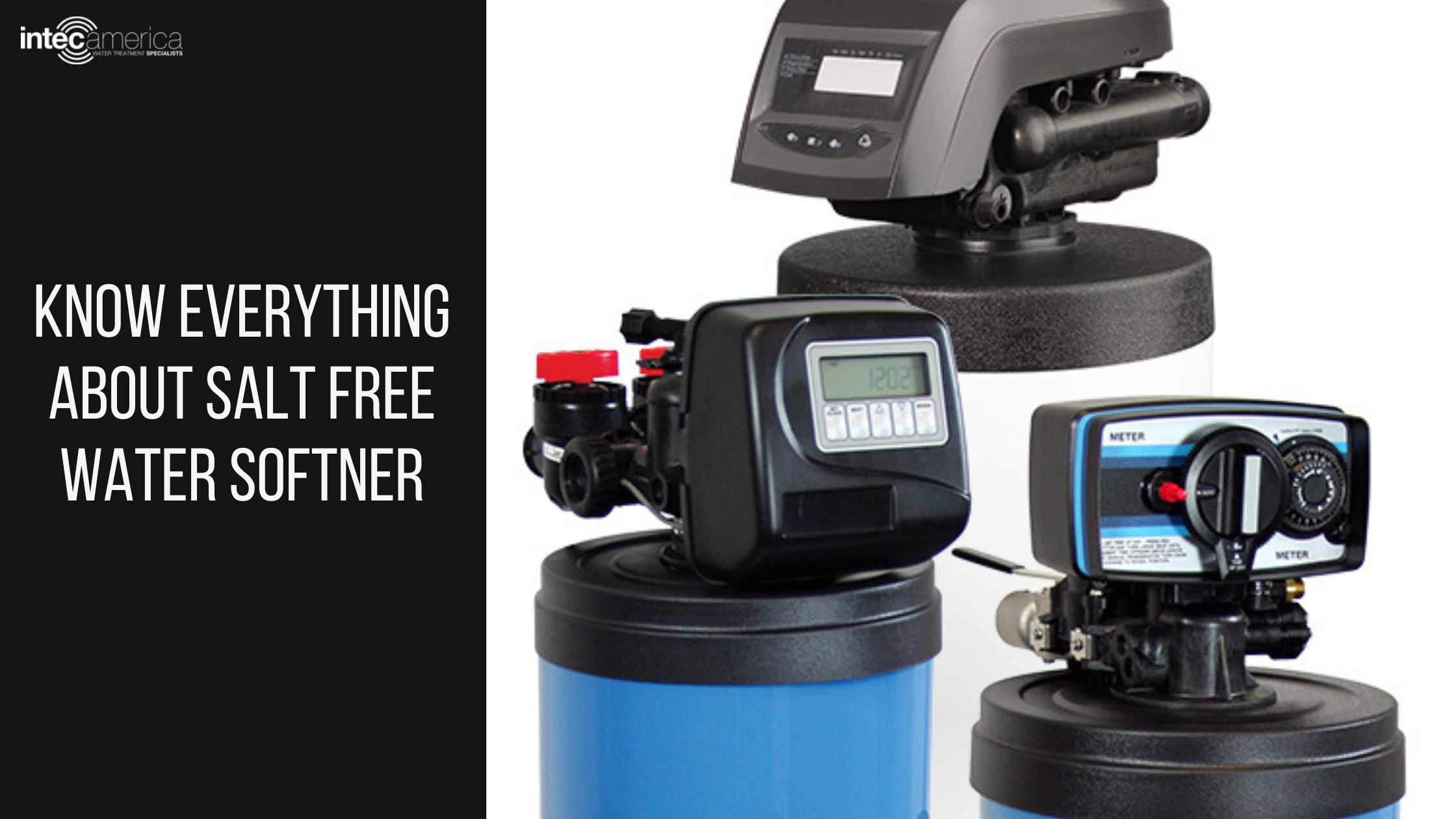 Salt-Free Water Softeners for Residential Water Treatments - Intec
Installation: No Need to Call a Wizard
Remember when I said they’re small? Well, they’re also shockingly easy to install. Most units just splice into your existing cold water line with a few simple push-fit connectors.
If you’re even a little bit handy with a pipe wrench (or just stubborn), you can do it in under an hour. No drain line needed. No electrical outlet required. Just water in, conditioned water out. It’s almost suspiciously easy.
And because there’s no electricity involved, you can put one on a vacation home, a boat, or even an RV. Talk about a space-saving, go-anywhere solution.
What You Actually Save (Besides Space)
Yes, you save square footage. But you also save money. Salt-free units typically cost less upfront than their salt-using cousins. You also dodge the recurring cost of salt bags, which add up over a year.
You save your sanity, too. No more panic when you realize you’re out of salt on a Sunday evening. No more scrubbing that weird salt bridge that forms in the tank. It’s quiet. It’s clean. It’s basically the introvert of water treatment.
And let’s not forget your appliances. A water conditioner extends the life of your water heater, your washing machine, and your dishwasher. That’s money back in your pocket, which you can spend on something fun—like coffee, or a bigger mug for your coffee.
The Bottom Line (Because We’re Almost Done)
Look, if you live in a tiny home or a cramped apartment, a salt-free water conditioner is a no-brainer. It’s like having a bodyguard for your pipes that doesn’t take up the whole couch.
It won’t make your water feel like a silky spa treatment, but it will protect your home from the slow, sneaky damage of limescale. It will fit in a spot you didn’t know existed. And it will let you reclaim that corner of your kitchen for something important—like an espresso machine, a plant, or a cat bed.
So, next time you cringe at your crusty faucet, remember: you don’t need a bulky salt beast. You just need a little unit that punches way above its weight. Your pipes, your wallet, and your tiny home will thank you. Now, go ahead and measure that under-sink space. You’ll be amazed at what fits.
