Reverse Osmosis Drinking Water System For Home

You know that moment when you take a sip of tap water and it tastes like someone boiled a swimming pool and added a hint of rusty pipe? Yeah, we’ve all been there. It’s the ki...
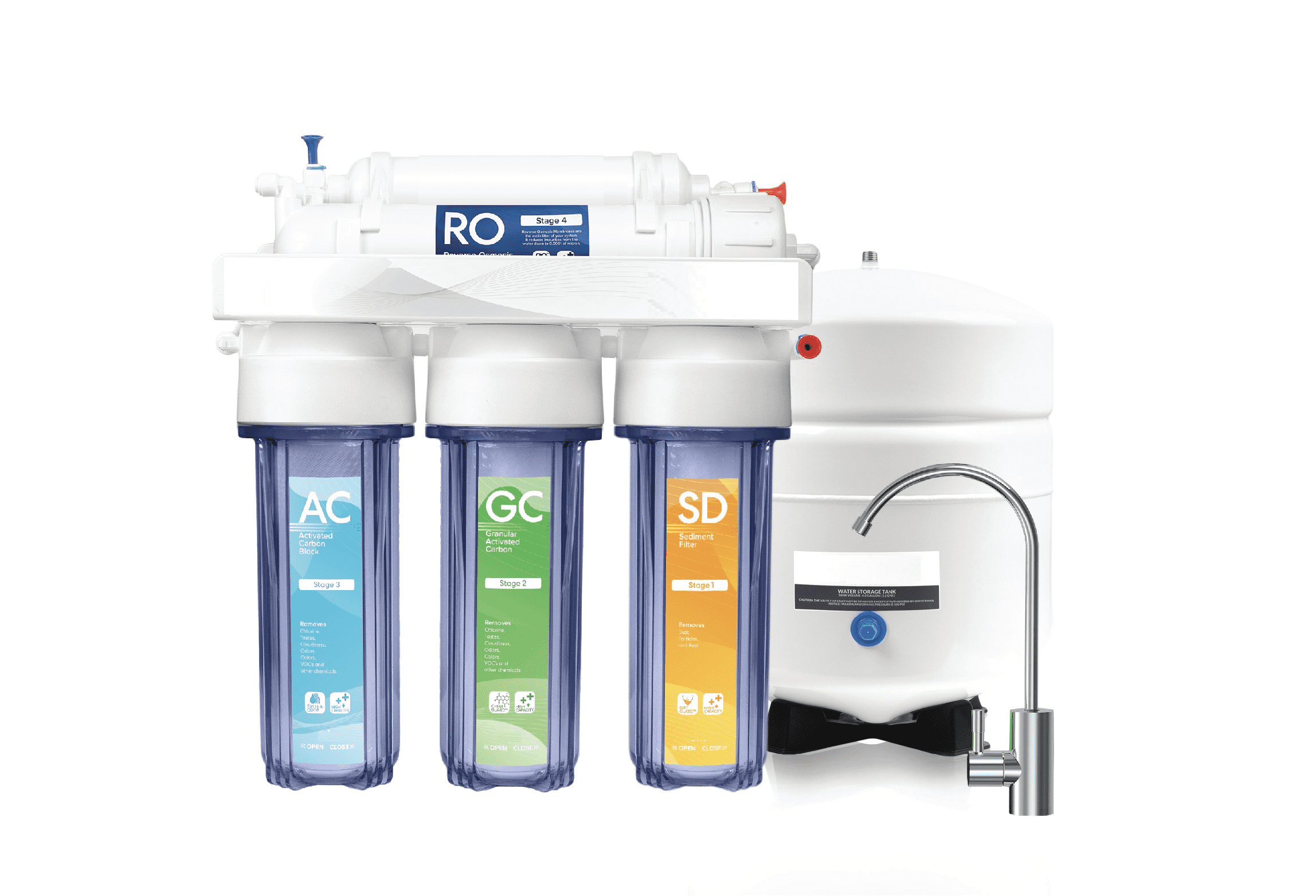
You know that moment when you take a sip of tap water and it tastes like someone boiled a swimming pool and added a hint of rusty pipe? Yeah, we’ve all been there. It’s the kind of flavor that makes you wonder if your kitchen faucet is secretly a magician turning perfectly good water into a metal-flavored disappointment.
Enter the reverse osmosis drinking water system. It sounds like something out of a sci-fi movie, doesn’t it? Like you need a lab coat and a degree in chemistry just to get a glass of water. But honestly, it’s the closest thing to having a personal water wizard living under your sink.
What on earth is reverse osmosis?
Imagine a celebrity bouncer for your water. That’s reverse osmosis in a nutshell. It uses a special membrane that’s so picky, it only lets the good H2O molecules through, while kicking out the riff-raff.
Must Read
We’re talking about total snobs when it comes to impurities. Lead? Chlorine? The ghost of last night’s leftover soup? All of them get politely—but firmly—shown the door. The water that comes out is so clean, you’d think it was bottled by angels in a cloud factory.
I installed one last year, and my first sip felt like a betrayal to every glass of tap water I’d ever drunk. It was like going from instant coffee to a handcrafted latte. I felt seen by my own kitchen.
Your taste buds will throw a party
Here’s the fun part: your morning coffee will taste completely different. Before the RO system, my coffee tasted like a muddy puddle with ambition. After? It was like the coffee beans finally got a chance to sing their solo without a rusty backup band.
Even ice cubes get an upgrade. You know that foggy, weird smell ice from a tray can get after three days? Gone. With RO water, ice cubes are crystal clear and taste like… well, nothing. And that’s the point. Good water doesn’t taste like anything. It’s the invisible superhero of your fridge.
I once made lemonade with RO water for a barbecue, and my neighbor, who swears by bottled water, asked me what my secret ingredient was. I felt like a culinary genius. The secret was literally: “I just removed the gross stuff.”
But does it waste water? (The awkward confession)
Okay, let’s have a real talk. Reverse osmosis systems do create a little bit of “waste water.” It’s not waste in the trashy sense—it’s just water that carries away the filtered-out junk. Think of it as the system flushing the toilet after a good clean.
For every gallon of purified water, you might send about two to three gallons down the drain. I know, I know. I cringed too. But here’s the kicker: that waste water isn’t toxic. It’s just tap water with a little more mineral concentration. You can actually route it to water your lucky bamboo plant or your garden. Score one for guilt-free hydration.
Modern systems are getting much better at this. Some now have a less than 1:1 waste ratio. So the days of throwing away two buckets for one good bucket are fading fast. It’s like the system went to efficiency school and graduated with honors.
 Home Drinking Reverse Osmosis System Diagram
Installation: Easier than changing a lightbulb? (Debatable)
If you’re handy, you can install an under-sink RO system in about an hour. If you’re like me, you’ll spend three hours watching YouTube videos, one hour doing the install, and then 30 minutes panicking because you forgot to tighten one little blue tube.
The good news? Most systems come with color-coded hoses and enough manuals to make a small bonfire. Just follow the color codes. Blue to blue. Red to red. It’s like adult LEGOs, but with the reward of crisp, delicious water instead of a plastic spaceship.
And when you finally turn the faucet on and hear that satisfying gurgle-gurgle instead of a geyser spraying your sock drawer, you feel like a plumbing god. I did a victory dance in my kitchen. My dog was confused, but also proud.
The not-so-secret benefit: Saving money and the planet
Let’s do the math on all those plastic bottles. You know, the ones you buy from the store “just for the kids” or “for the cooler.” They pile up faster than socks in a gym bag. With an RO system, you buy a few reusable bottles, and bam—you’re basically Captain Planet.
I used to buy a 24-pack of water every week. That’s over 1,200 plastic bottles a year. Now? I buy zero. The system paid for itself in about eight months. Plus, I don’t have to lug that awkward, splitting plastic pack from the car anymore. My back says thank you.
And your fridge water dispenser? It finally lives up to its potential. No more slow drips that trick you into thinking you’re getting a full glass, only to realize it’s just a sad splash. With RO, it flows like confidence.
One last thought (and a dad joke)
Is an RO system perfect? No. It takes up some space under your sink, and you’ll need to change the filters every 6-12 months. But it’s like brushing your teeth—a little maintenance for a big reward.
So, if you’re tired of pretending your tap water is “fine,” or you’re just ready for a hydration upgrade that makes your tea taste like a hug, give reverse osmosis a shot. Your taste buds will send you a thank-you note. Mine sent a fruit basket. It was delicious.
Now, if only I could get a reverse osmosis system for my laundry. Those socks are beyond redemption.
