Water Filtration For Quick Service Restaurants

Let’s be honest: when you walk into a fast-food joint, you’re usually not thinking about the water. You’re thinking about that burger, those fries, or maybe a soda that tastes...
Let’s be honest: when you walk into a fast-food joint, you’re usually not thinking about the water. You’re thinking about that burger, those fries, or maybe a soda that tastes like it was bottled by angels. But here’s the secret—that bubbly cola, that crisp coffee, and even the bread in your sandwich all start with water. And if that water tastes weird, your whole meal feels a little… off. That’s where water filtration for quick service restaurants comes in, and trust me, it’s way more interesting than it sounds.
The Quiet Hero of Your Lunch Rush
Picture this: you’re at a drive-thru after a long day. You order an iced tea, take a big sip, and—bleh—it tastes like wet sidewalk. You might blame the tea bags, but chances are, the water was the culprit. Unfiltered water can carry minerals like chlorine, sulfur, or iron that turn a perfectly good drink into a science experiment gone wrong.
Quick service restaurants serve hundreds of people a day, so their water faces a heavy workout. Ice machines, soda fountains, coffee brewers—they all rely on water that’s clean and consistent. Without a good filtration system, that tea doesn’t just taste bad; it can make the coffee bitter, the lemonade cloudy, and even cause the soda syrup to mix unevenly.
Must Read
Filters are the unsung heroes keeping your fries crispy and your soda fizzy. They quietly work behind the counter, so you never have to think about them. Kind of like a good friend who always brings snacks to the party but never asks for credit.
Why Should You Care? (Hint: It’s About Your Taste Buds)
I get it—most of us walk into a fast-food place expecting a quick fix, not a water lecture. But here’s a fun truth: great water makes everything taste better. Ever notice how your favorite fast-food chain’s lemonade has a perfect tang, not a flat or chemical note? That’s filtered water doing its job.
Think about iced coffee. When the water is full of minerals, it can mess with the extraction, leaving you with a sour or metallic taste. Filtered water, on the other hand, lets the coffee beans shine like little roasted stars. And those golden fries? They’re dipped in water-based solutions to prep them, so clean water means a cleaner, crunchier result.
So, when you take a bite of that burger and the bun is soft and the lettuce is crisp, thank the water. It’s the foundation of that whole delicious experience, even if you never saw it coming.
The Hidden Costs of Skipping Filters
You might think, “Well, why would a restaurant bother with expensive filters? Isn’t tap water good enough?” Oh, honey. Tap water can vary wildly even a block away. Hard water—loaded with calcium and magnesium—can clog up expensive machines like ice makers and coffee brewers. That means repairs, downtime, and eventually higher prices for you.
There’s a story a franchise owner once told me: his soda fountain kept breaking down, and he lost a ton of sales during a summer rush. Turns out, the local water was so full of sediment it gummed up the valves. A simple filtration system would have saved him thousands. Filters aren’t just about taste; they’re about economics.
And let’s not forget health. A good filter removes contaminants like lead and chlorine byproducts, which is especially important when you’re serving kids and families. Nobody wants their Happy Meal to come with a side of unknown chemicals.
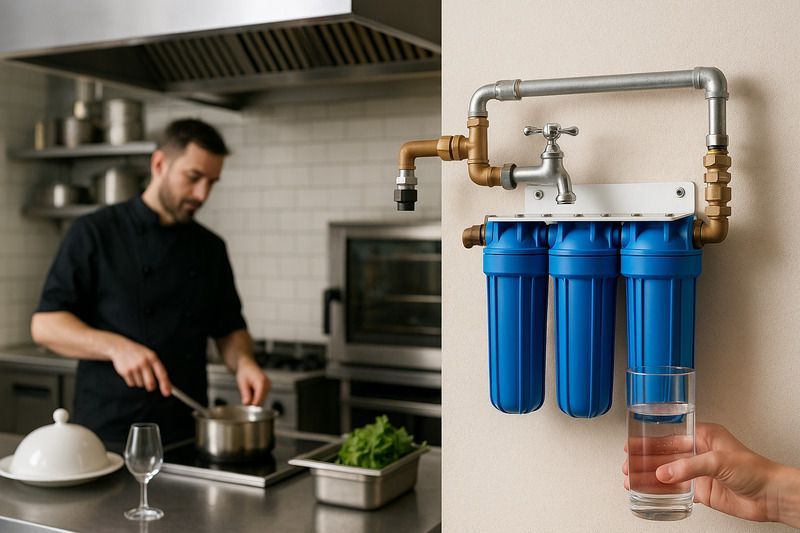 Why Your Restaurant Needs a Commercial Water Filtration System | C&C
What a Good Filter Does (In Plain English)
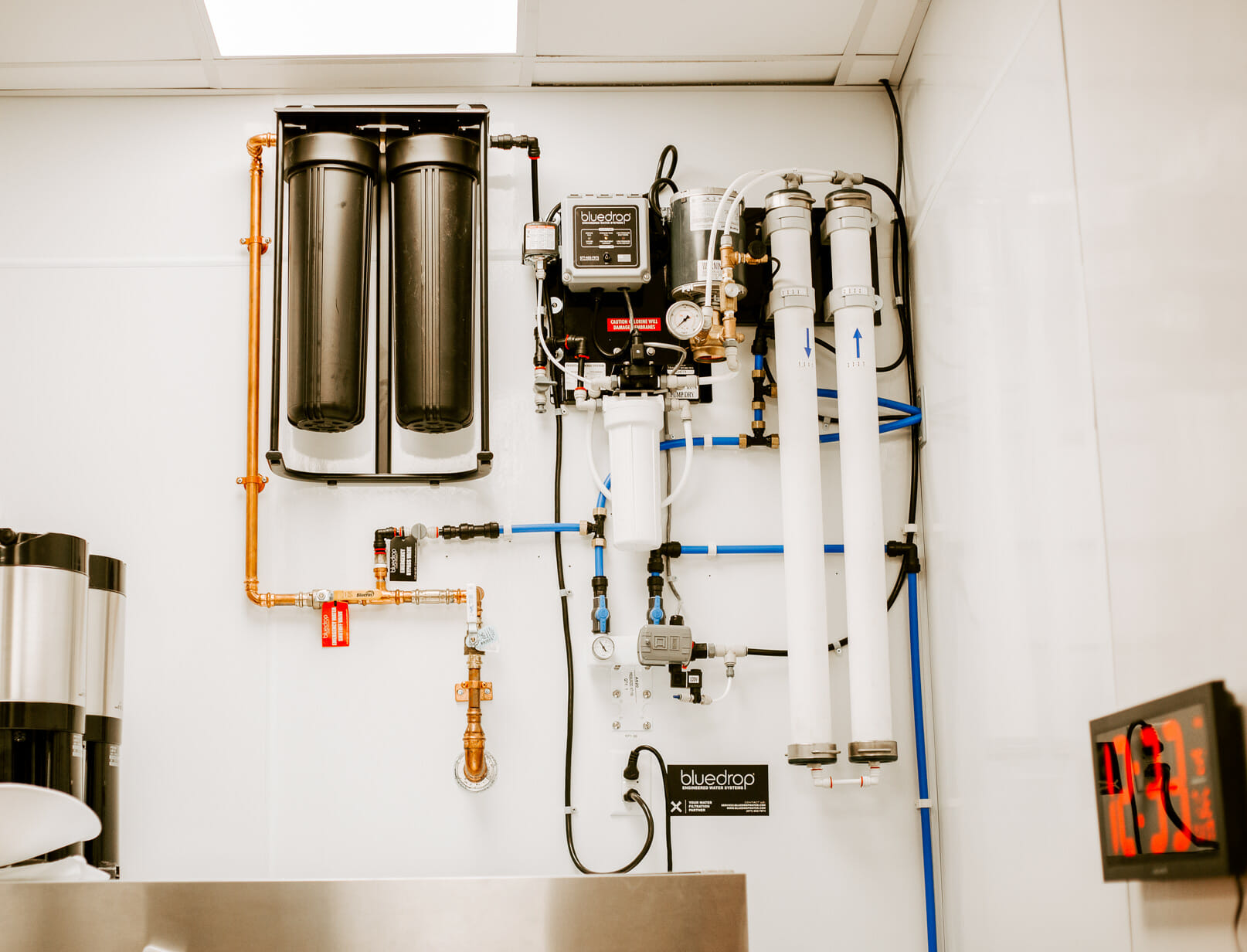
Imagine your tap water is like a muddy river. A basic filter is like a strainer that catches the big rocks (sediment). But restaurants need more—they use systems that also remove tiny particles, bad tastes, and even bacteria. Some use carbon filters to mop up chlorine, while others use reverse osmosis, which is like a superhero for water, stripping out almost everything except pure H2O.
This doesn’t mean the water becomes “dead” or boring. It means the water becomes a blank canvas, ready to let the soda syrup, coffee beans, or lemon concentrate do their thing. It’s the difference between painting on a clean paper and one with old coffee stains.
Most quick service chains have a schedule to change filters every few months. That’s like changing the oil in your car—nobody enjoys it, but ignoring it leads to a breakdown. And a broken soda fountain during a heatwave? That’s a tragedy of epic proportions.
How to Spot a Filter-Friendly Restaurant
You don’t need to be a water expert. Next time you’re at a fast-food spot, look for a sign near the counter that says “Our ice is filtered” or “Purified water used.” Many chains are proud of their systems and put it right on the menu board. If you don’t see one, just ask the cashier—they’ll probably shrug, but at least you’ll know.
Another fun test: order a soda with no ice. If it tastes flat or off, the water in the syrup line might be the problem. If it’s crisp and refreshing, the restaurant is doing something right. You can even become the unofficial water critic of your local burger joint—a weird but wonderful superpower.
Finally, remember that you voting with your wallet matters. When a restaurant invests in clean water, you get better food and drink. It’s a small act of kindness from the kitchen to your taste buds. So next time you sip that perfect soda, give a little mental nod to the filter hiding under the counter. It’s doing the hard work so you don’t have to.
And if you ever find yourself with a glass of water that tastes like a swimming pool? Now you know exactly who to blame. Hint: it’s not the ice cubes.
