Effects Of Chlorine In Water On The Human Body

Let’s talk about that distinct smell of a swimming pool—and the glass of tap water on your nightstand. You’ve probably heard that chlorine is in both, and maybe you’ve wondere...
Let’s talk about that distinct smell of a swimming pool—and the glass of tap water on your nightstand. You’ve probably heard that chlorine is in both, and maybe you’ve wondered: Is this stuff actually okay for my body?
Spoiler alert: Yes, it is—and it’s actually pretty amazing. Chlorine is the unsung hero of modern hygiene, keeping water free from nasty bacteria like E. coli and cholera. Without it, your morning shower could be a dangerous gamble. So let’s dive in and see how this hall-of-fame chemical affects you, from head to toe.
Your skin: The front-line defender
When you jump in a chlorinated pool, you’re essentially giving your skin a gentle disinfectant bath. For most people, that’s totally fine—even helpful. Chlorine can kill acne-causing bacteria, which is why some swimmers swear by clearer skin.
Must Read
But here’s the catch: chlorine is also a mild irritant. If you spend hours in a pool every day, your skin might get dry or itchy. The fix? Rinse off with fresh water immediately after swimming and slather on a good moisturizer. Your skin will thank you—and you’ll still enjoy all those cannonballs.
Your hair: A little drama, a lot of shine
Yes, chlorine can make hair feel straw-like if you’re not careful. But did you know it can also give blond hair a natural, sun-kissed highlight? That green tint you hear about? It’s actually from copper in the water, not chlorine itself.
To keep your locks happy, just wet your hair with tap water before entering a pool—it acts like a sponge, soaking up less chlorine. And a quick post-swim shampoo? You’re golden. Literally.
Your lungs: Breathe easy
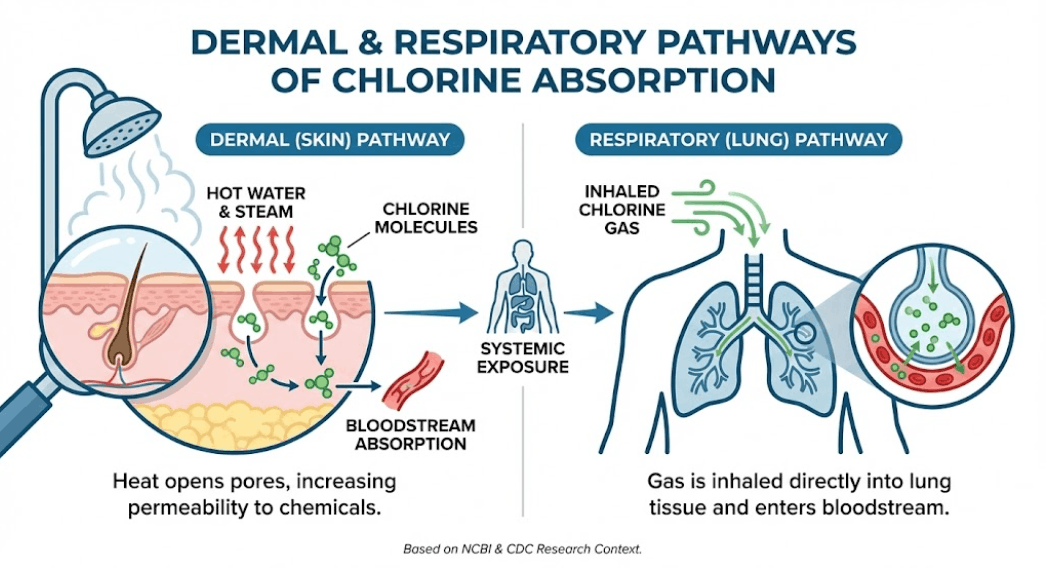
Inhaling chlorine gas from a pool is definitely not fun—it’s what causes that sharp smell. But here’s the truth: modern pools maintain levels so low they’re safe for 99% of people. The actual risk comes from poorly ventilated indoor pools or over-chlorinated hot tubs.
So, if you ever get that tickle in your throat, just step away for fresh air. And for your tap water? The chlorine level is so tiny it evaporates quickly. Let your water sit in a pitcher for a few minutes, and the smell—and any potential irritation—disappears. Easy peasy.
Your gut: The unsung hero
Drinking chlorinated tap water is one of the safest things you can do. It kills deadly pathogens like typhoid and hepatitis A, which used to kill thousands yearly. Your digestive system is designed to handle the trace amounts perfectly fine.
 Chlorine (Cl): Properties & Uses – StudiousGuy
In fact, studies show no long-term harm from routine exposure. The World Health Organization calls modern chlorination a life-saving triumph. So go ahead—fill that water bottle with confidence.
The fun part: How chlorine makes life better
Think about all the joy water brings you. Pool parties with friends. Long showers after a hike. A cool drink on a hot day. Chlorine is the invisible gatekeeper that makes all of it possible, without you getting sick.
And here’s a fun fact: many spas and resorts use a gentler form of chlorine called chloramine. It means you can soak in a hot tub for longer, with softer skin and less smell. Technology is on your side.
One tiny warning (with a big payoff)
Don’t mix chlorine with other chemicals—like ammonia-based cleaners—in your home. That creates toxic gases. But in controlled swimming pools and treatment plants? You’re safer than on most roller coasters.
So, next time you smell that pool, smile. It’s the smell of protection. Your body handles chlorine like a champ, and you get all the fun of splashing around.
The uplifting note
You are part of a generation that gets to enjoy clean water without a second thought. That’s a huge, beautiful privilege. Chlorine isn’t a villain—it’s a friendly, hard-working sidekick in your daily adventures.
So keep swimming. Keep hydrating. And get curious: What other everyday chemicals are quietly making your life awesome? The more you learn, the more you’ll see the world as a place full of tiny, brilliant helpers. Go ahead—dive deeper.
