How Can Lead Get Into The Drinking Water Supply

So, you turn on your tap, fill a glass, and take a sip. Ever wonder what’s actually hitching a ride with that H2O? I’m talking about lead—yes, that heavy metal—and how it can...
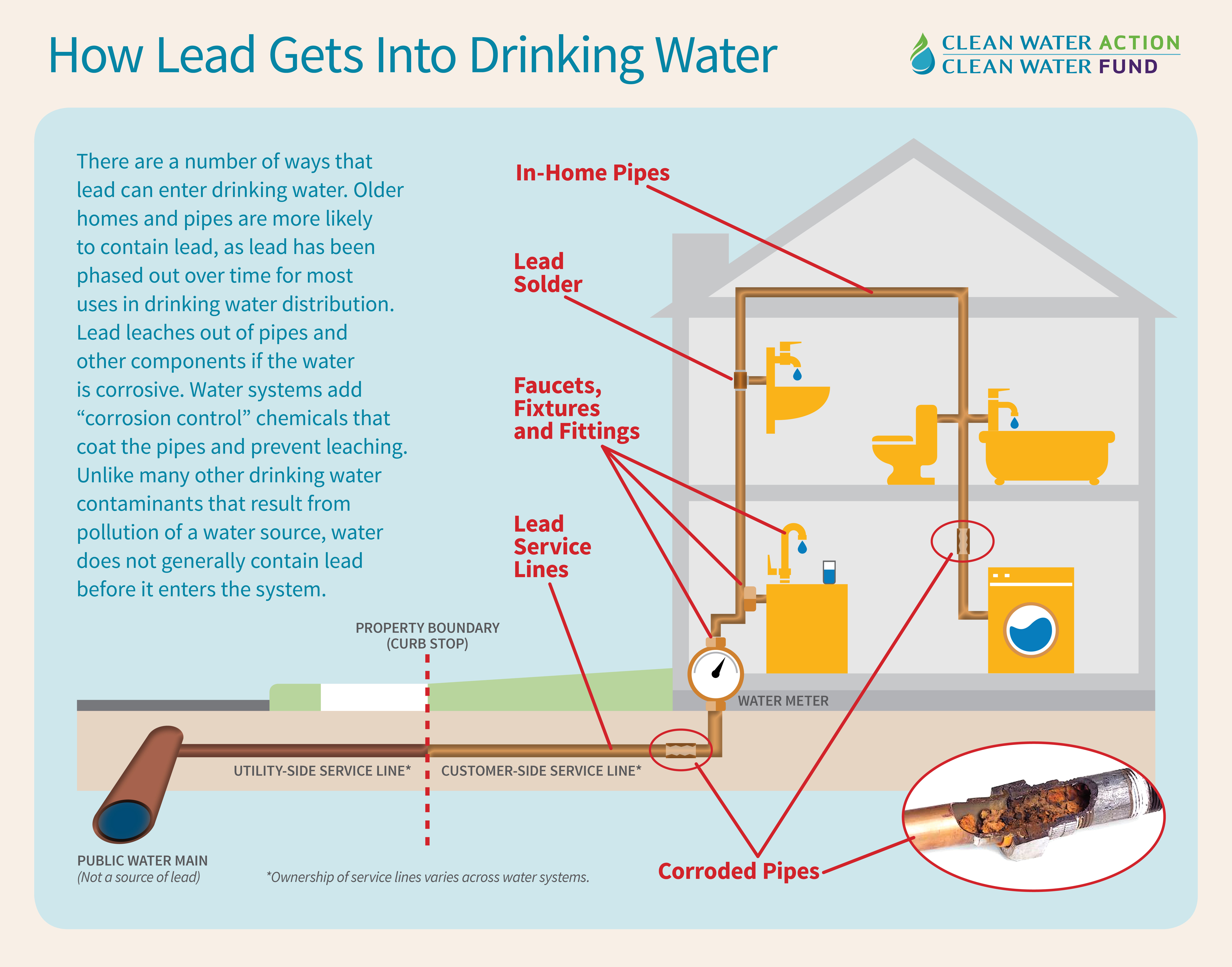
So, you turn on your tap, fill a glass, and take a sip. Ever wonder what’s actually hitching a ride with that H2O? I’m talking about lead—yes, that heavy metal—and how it can sneak into your drinking water. It’s not magic, but it’s a surprisingly sneaky journey.
Let’s get this straight right off the bat: nature isn’t the villain here. Lead is a natural element in the Earth’s crust, but it rarely shows up in water all on its own. Think of it like a shy houseguest—it doesn’t crash the party unless someone hands it a key.
The real story starts with pipes. Specifically, the pipes that connect your home to the main water line under the street. Before the 1980s, a lot of those pipes were made of lead. It was cheap, durable, and easy to work with—a plumber’s best friend back in the day.
Must Read
Corrosion: The Silent Inviter
Here’s where it gets interesting: water itself is a bit of a chemical chameleon. If water is slightly acidic or has low mineral content, it becomes corrosive. That means it can gnaw on metal—including lead pipes—like a hungry beaver on a log.
When that corrosive water sits inside a lead pipe, a tiny bit of the metal dissolves. It’s like leaving a sugar cube in your coffee; the lead just melts away into the water. Over time, even a small amount can add up.
Think of it like this: imagine a plastic straw in a soda. Nothing happens, right? Now swap it for a straw made of chalk. Put that in soda, and you’ll see tiny particles swirl off. That’s lead in corrosive water—except you can’t see it.
Your Home’s Plumbing Might Be the Weak Link
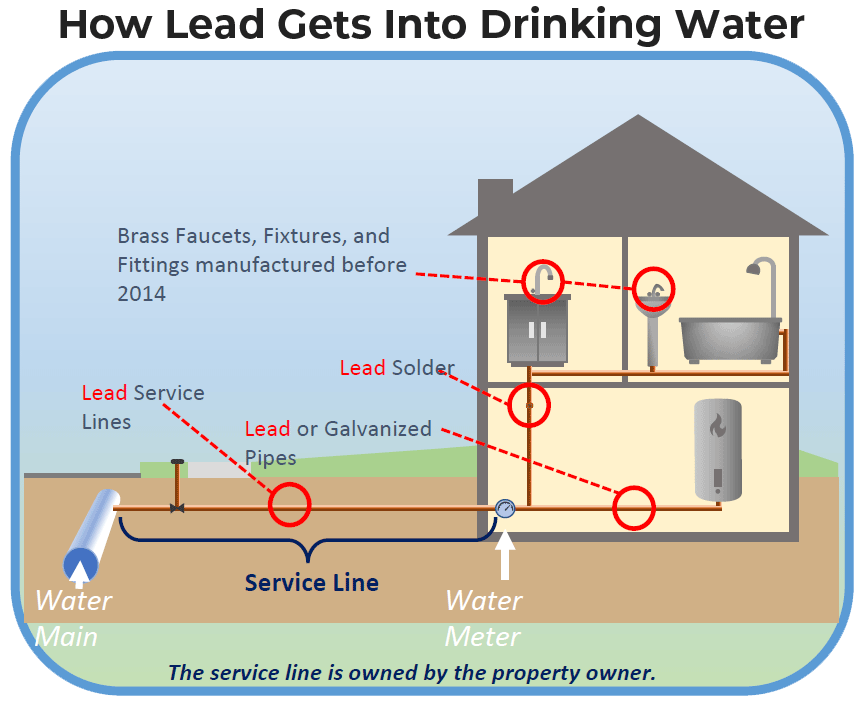
Even if your city replaced the main pipe under the street, your own pipes could be the problem. Homes built before 1986 often have lead solder—the goo used to join copper pipes together. That shiny silver stuff? Sometimes it’s actually lead.
And don’t forget brass fixtures. Your shiny kitchen faucet might look harmless, but many have a little lead inside. When water flows over that brass, it can pick up trace amounts. It’s like a hitchhiker jumping on board for a short ride.
Here’s a mind-bender: even newer houses aren’t totally safe. "Lead-free" fixtures legally can contain up to 0.25% lead. That’s low, but not zero. Over a lifetime, those tiny drips matter.
The Chemistry of a Time Bomb
Okay, let’s geek out for a second: why does lead actually get into water? It’s all about oxidation. When water has low pH (acidic) or low alkalinity (lack of buffers), it eats away at metal. Scientists call this "plumbing corrosion"—it sounds gross because it is.
 Lead Awareness – City of Lincoln, NE
But here’s the cool part: water companies can control this. They add chemicals like orthophosphate, which forms a protective coating on the inside of pipes. It’s like giving your pipes a coat of invisible armor. If that coating breaks down—say, after a maintenance event—lead can suddenly spike.
Remember Flint, Michigan? That’s exactly what happened. They switched water sources without adding anti-corrosion chemicals. The result? The armor peeled off, and lead flooded into homes. It was a man-made disaster, not a freak accident.
Bacteria and Sediment: The Unlikely Helpers
Here’s a weird plot twist: sometimes bacteria help lead get in. Biofilms—slimy communities of microbes—can grow inside pipes and cling to lead particles. When those biofilms break loose, they carry lead with them, like a floating hotel for toxic metals.
Sediment is another sneaky accomplice. Tiny bits of rust or sand can scrape lead off pipe walls during high water flow. It’s like sandpaper slowly wearing down a lead pencil—except the shavings end up in your glass.
Even temperature plays a role. Hot water dissolves lead faster than cold water. So if you make tea with water from the hot tap, you’re essentially brewing up a batch of lead-flavored tea. Not the kind of steep we’re after.
Why Should You Care (and Not Panic)?
Look, most water systems in developed countries are pretty good. The risk is low, but it’s real—especially for babies and pregnant people. Lead is a neurotoxin, meaning it can mess with brain development. That’s why knowing the path is important.
The cool takeaway? This isn't about fear—it’s about awareness. You can test your water for free at many health departments. You can flush your pipes by running a tap for a minute before drinking. You can use cold water for cooking and mix formulas with bottled water.
So next time you fill a glass, imagine all the tiny journeys water took to get there. The pipes, the chemistry, the history—it’s a wild ride. And now you know which stops to keep an eye on. Stay curious, stay hydrated, and keep your lead where it belongs: in pipes, not your tummy.
