How Long Can Water In Plastic Bottles Be Stored

You know that feeling when you find a half-empty water bottle under your car seat, and it’s been there since last spring? Probably since that road trip you took. You stare at...
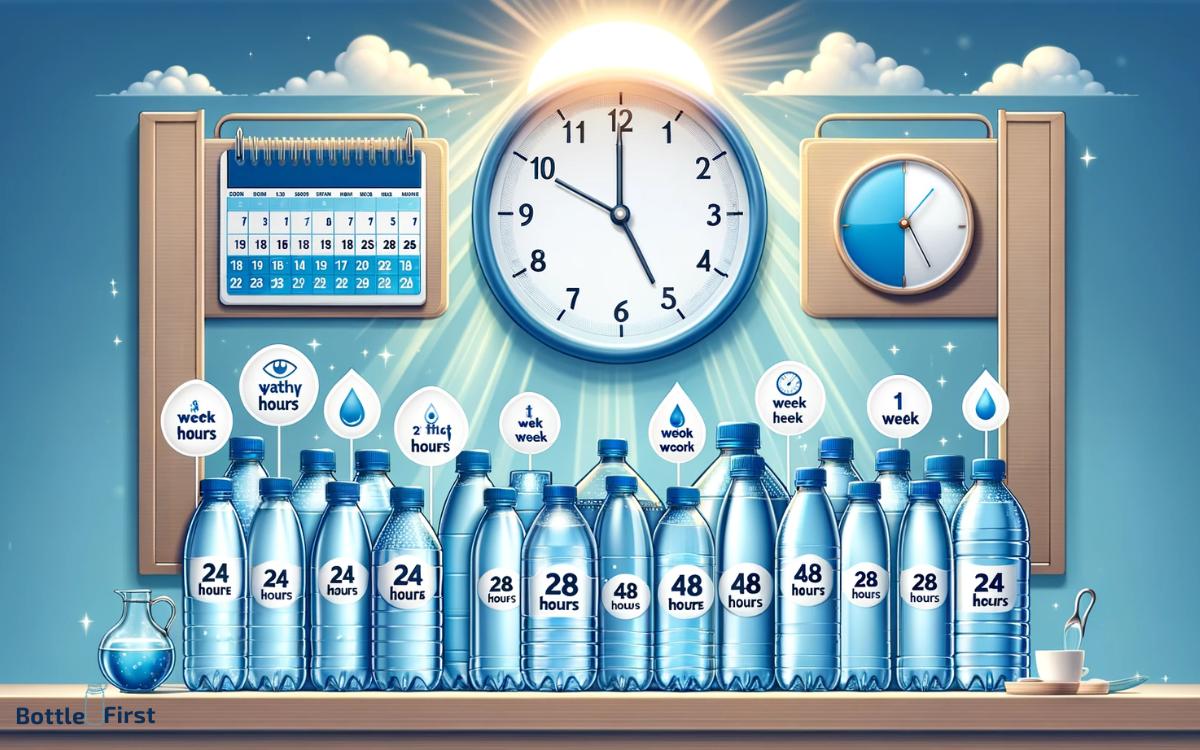
You know that feeling when you find a half-empty water bottle under your car seat, and it’s been there since last spring? Probably since that road trip you took. You stare at it, and a little voice asks, “Is this still safe to drink?” It’s a question we’ve all asked ourselves at some point.
The simple answer is: water itself doesn’t really “go bad.” It won’t suddenly turn poisonous. But the bottle it lives in? That’s a different story. And the taste? That can change big time.
The Real Enemy Isn’t Time—It’s Stuff That Gets Into the Water
Think of a sealed plastic bottle like a tiny time capsule. For the most part, your water is fine as long as that cap stays on tight. The plastic is designed to keep out bacteria, dust, and other yucky things.
Must Read
But here’s the catch. If you’ve already taken a sip, you’ve introduced germs from your mouth into the bottle. That’s like throwing a party for bacteria inside a warm car. After a few hours, that’s not just water anymore—it’s bacterial soup. And nobody wants that.
Even if the bottle is sealed, plastic can leach tiny chemicals over time, especially if it gets hot. That’s why a bottle left in a sunny car window tastes like a chemistry experiment, not a crisp drink.
How Long Is “Too Long” for a Sealed Bottle?
For store-bought, sealed plastic bottles, most companies print a “best by” date that’s about two years from when it was made. That date isn’t about safety—it’s about taste and quality. After that, the water starts picking up a “plastic” flavor from the container.
Think of it like a loaf of bread: day-old bread is still edible, but it’s not fluffy anymore. Same with water: it won’t hurt you, but it might taste flat or a little weird.
If you live somewhere with hot summers, you might want to rotate your stash every six months. Heat speeds up that chemical leaching, and no one enjoys a sip of warm, plasticky water.
What About That Bottle You Drank From?
Remember that reusable plastic bottle you filled with tap water and left on your desk? After a few days, it’s not your friend anymore. Bacteria from your hands and mouth grow fast at room temperature. After 48 hours, you’re better off rinsing it out and refilling.
A good rule of thumb: if you wouldn’t eat a sandwich that’s been sitting out that long, don’t drink the water from that same bottle. It’s the same logic—just with more backwash jokes involved.
And please, please don’t reuse those thin disposable bottles for a whole week. They’re meant for one use. They break down, scratch easily, and turn into a bacteria hotel. Your mouth deserves better.
 Tap Water In Plastic Bottles: Shelf Life And Storage Tips | ShunPoly
Signs Your Water Has “Turned” (Even If It Looks Fine)
Trust your nose first. If it smells like swimming pool chemicals, wet dog, or your grandma’s attic, toss it. That’s a sign the plastic has interacted with the water or bacteria have moved in.
Second, look for cloudiness or floating bits. Clear water is happy water. If it looks like a snow globe or has slimy stuff floating around, it’s time to say goodbye.
And finally, taste. A tiny sip won’t kill you. If it tastes like dirt, plastic, or just “off,” don’t finish the bottle. Your tongue is a pretty good alarm system.
Why Should You Care?
Because staying hydrated is the easiest win for your body. Drinking old, funky water might not make you sick, but it can upset your stomach or ruin your mood. And no one wants to feel gross after a simple sip.
Plus, storing water properly saves you money. If you buy a case and drink it all within a year, you’re getting fresh-tasting hydration. Treat your water stash like a pantry item—rotate it, check it, and don’t let it become a science project.
And think about emergencies. If you’re storing water for a storm or a power outage, mark the date on the bottle with a marker. That way, you’ll know exactly when to swap it out. It’s a small step that makes you feel like a preparedness pro.
A Little Story to Wrap It Up
My aunt once found a water bottle in her camping gear from three years prior. She was curious, so she sniffed it. She said it smelled like her high school gym locker. She poured it out, laughed, and bought a new pack.
The moral? Water is timeless in the right container. But in plastic, it’s more like a temporary friend. Keep it cool, keep it sealed, and drink it within a year or two. Your taste buds and your stomach will thank you.
So next time you grab a bottle from the back of the pantry, check the date. If it’s past the best-by, don’t panic—just open it, pour a glass, and see if it passes the sniff test. If it smells like nothing, you’re golden. If it smells like your aunt’s camping gear, please just get a fresh one.
