Refrigerator Water Filters That Remove Fluoride

So, picture this: my friend Karen (you know, the one who always has a strong opinion about tap water) invited me over for iced tea. She handed me a glass, and I took a sip—it...

So, picture this: my friend Karen (you know, the one who always has a strong opinion about tap water) invited me over for iced tea. She handed me a glass, and I took a sip—it was crisp, clean, and almost… oddly satisfying. “What’s your secret?” I asked. She grinned, tapped the side of her fridge, and said, “It’s the filter. It’s the one that takes out the fluoride.” I nearly choked on my drink.
Wait—fluoride? Isn’t that the stuff in toothpaste that’s supposed to save our teeth? And here she was, actively removing it from her water. It got me curious, and now I’m diving into the weird world of fridge filters that actually go after fluoride. Buckle up, because this is where home gadgets get a little rebellious.
Why Would Anyone Remove Fluoride from Their Water?
I know, I know—fluoride has been a public health hero for decades, fighting cavities like a tiny superhero. But lately, some folks are side-eyeing it, worried about overexposure and potential health risks (like skeletal fluorosis or thyroid issues). It’s a debate that’s as heated as a summer sidewalk.
Must Read
Personally, I’m not here to pick a side—I’m just a curious guy with a fridge. But if you’re in the camp that wants to sip water without the extra chemistry, you need a filter that actually does the job. And let’s be real: most standard fridge filters are great for chlorine and taste, but they’re terrible at removing fluoride.
The Hard Truth About Standard Fridge Filters
Here’s the kicker: those carbon filters in your average fridge? They’re designed for sediment, chlorine, and weird smells. Fluoride? It laughs in the face of carbon. It’s like trying to catch a ghost with a butterfly net.
You need something with more chops—like activated alumina or reverse osmosis technology. Some advanced refrigerator filters use a blend of carbon and a special media that binds to fluoride ions. Fancy, right? But not all brands shout this from the rooftops.
What to Look For in a Fluoride-Fighting Filter
First, check the NSF certification. If the filter isn’t certified under NSF Standard 53 for fluoride reduction, it’s probably just playing pretend. Don’t be fooled by marketing fluff.
Look for filters that specifically list “fluoride reduction” on the box or in the fine print. Brands like AquaFresh or Clear2O sometimes have fridge-compatible options. And yes, they cost a bit more—like buying a fancy coffee instead of instant.
Pro tip: replace the filter regularly. An expired filter is worse than no filter—it becomes a breeding ground for bacteria. Yeah, gross. But you’re a grown-up, you can handle it.
The Ironic Twist: Your Fridge Might Not Even Need It
Here’s where it gets funny: most municipal water supplies add fluoride at levels around 0.7 parts per million. That’s a tiny amount. For most people, removing it is about personal preference, not panic. But hey, you do you.
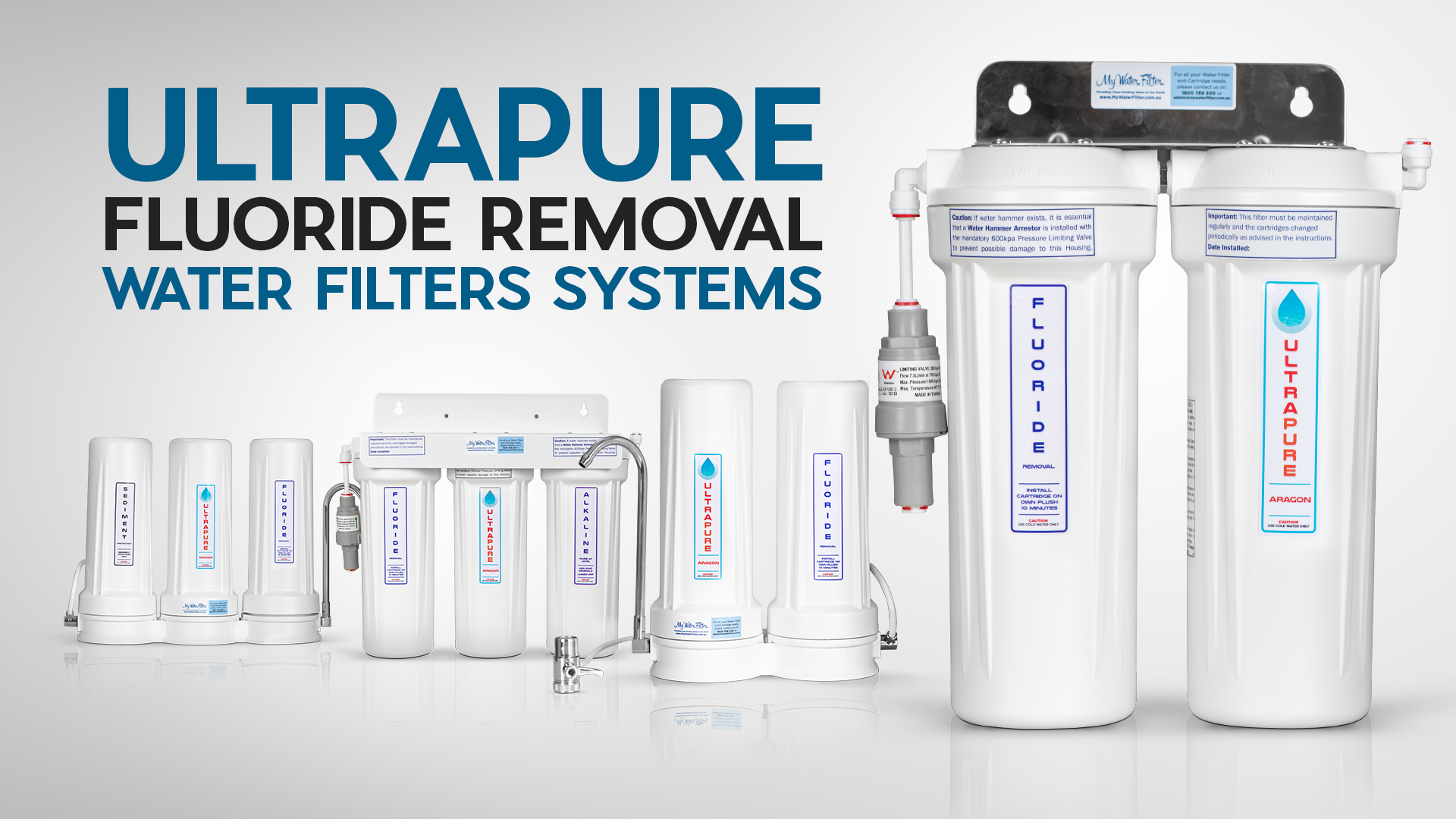 Buy Fluoride Water Filters & Filter Cartridges | My Water Filter
If you’re on well water? Different story. Well water can have naturally occurring fluoride at much higher levels—sometimes enough to stain teeth (a condition called fluorosis). In that case, a fluoride-removing filter isn’t a luxury; it’s a smart safety move.
How to Actually Find One for Your Fridge
Don’t just grab a generic filter from the hardware aisle. You need to match the model of your fridge. Pull out the manual (or Google it like a normal person) and search for “fluoride reduction filter [your fridge model].”
Some brands, like Frigidaire or LG, offer specialized filters for this, but you’ll probably have to order them online. And brace yourself: they can cost twice as much as a standard filter. Your wallet might wince, but your water bottle will thank you.
Another option? Countertop filters that use reverse osmosis. They’re not built into the fridge, but they’re cheap and effective. It’s like choosing between a built-in. vacuum and a standalone Dyson.
The Final, Slightly Ironic Observation
I find it amusing that we’ve come full circle: once upon a time, we added fluoride to water to prevent cavities. Now, some of us are spending extra cash to kick it out. Progress is weird, people.
But here’s the real kicker: if you’re worried about fluoride, you might also want to check your toothpaste, mouthwash, and even tea leaves (yes, black tea naturally contains fluoride). Removing it from water is just one piece of the puzzle.
Karen, by the way, swears she’s noticed less staining on her teeth since switching filters. Could be placebo, could be real—but she’s happy, and her iced tea tastes like a mountain spring. So, whether you’re team fluoride or team “let’s filter everything,” just remember: your fridge, your rules. Cheers.
