Pros And Cons Of Reverse Osmosis Drinking Water

Let’s be honest: tap water can be a gamble. One day it tastes like a clean mountain stream, and the next, it reminds you of grandma’s swimming pool after a thunderstorm. That’...
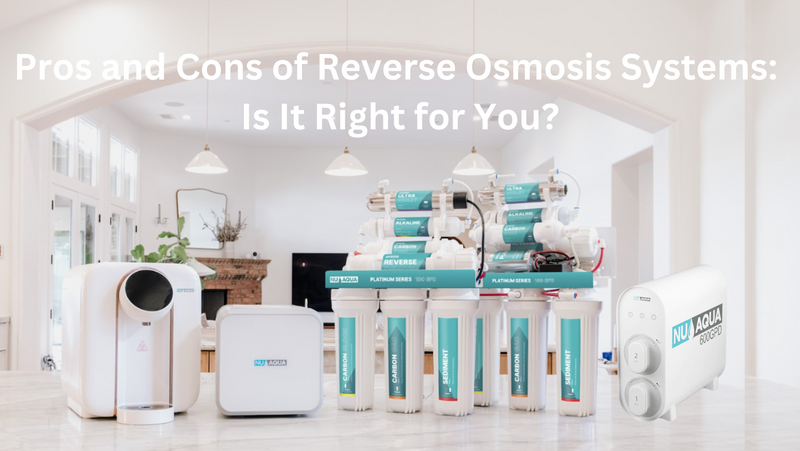
Let’s be honest: tap water can be a gamble. One day it tastes like a clean mountain stream, and the next, it reminds you of grandma’s swimming pool after a thunderstorm. That’s when you start eyeing those fancy reverse osmosis (RO) systems, dreaming of water so pure it might as well be bottled by angels. But before you install a mini-lab under your sink, let’s wade into the pros and cons with a sense of humor and a healthy dose of reality.
The Pros: Why you might feel like a hydration hero
First up, the taste. RO water is so clean it’s almost offensively crisp. It’s like the polite guest at a party who doesn’t bring any weird aftertaste baggage. You’ll pour a glass and suddenly realize your old coffee tasted like rusty pennies.
It’s also a master at removing the weird stuff. Chlorine? Gone. Lead? Gone. That weird smell from the city water supply? Poof. Reverse osmosis is basically the bouncer at a club for water molecules, kicking out anything heavier than H2O—including those pesky PFAS chemicals you’ve been hearing about on the news.
Must Read
For anyone with fussy appliances, this is a game changer. Your ice maker won’t clog up with mineral gunk, and your fancy espresso machine won’t start acting like a diva. Think of RO as a spa treatment for your kettle, minus the cucumber slices.
The Cons: Where the water gets a little murky
Now, the elephant in the room: waste water. For every gallon of “perfect” water you drink, the system spits out three to four gallons down the drain. That’s like buying a pizza and throwing away the whole crust just to get the perfect bite of cheese in the middle—effective, but your water bill will side-eye you.
Then there’s the mineral theft. Reverse osmosis strips out calcium, magnesium, and other good-for-you minerals. It’s like hiring a bodyguard who also swipes your wallet. Drinking demineralized water long-term might be fine, but some people notice a slight “flat” taste or feel less hydrated. You could always eat a handful of kale to compensate, but who has time for that?
Installation is another speed bump. Setting up an under-sink RO system is a weekend project that can turn into a comedy of errors. You’ll need to drill a hole in your counter or tap into a drainpipe, and suddenly your kitchen looks like a plumber’s workshop exploded. And if you forget to change the filters every six months? Congrats, you’ve created a science experiment in a plastic tube.
The hidden costs that sneak up on you
Speaking of filters, they’re not cheap. A set of replacement cartridges can cost $50 to $150 a year. That’s a lot of bottled water from the store—though you’re saving plastic, so pat yourself on the back while your wallet cries softly.
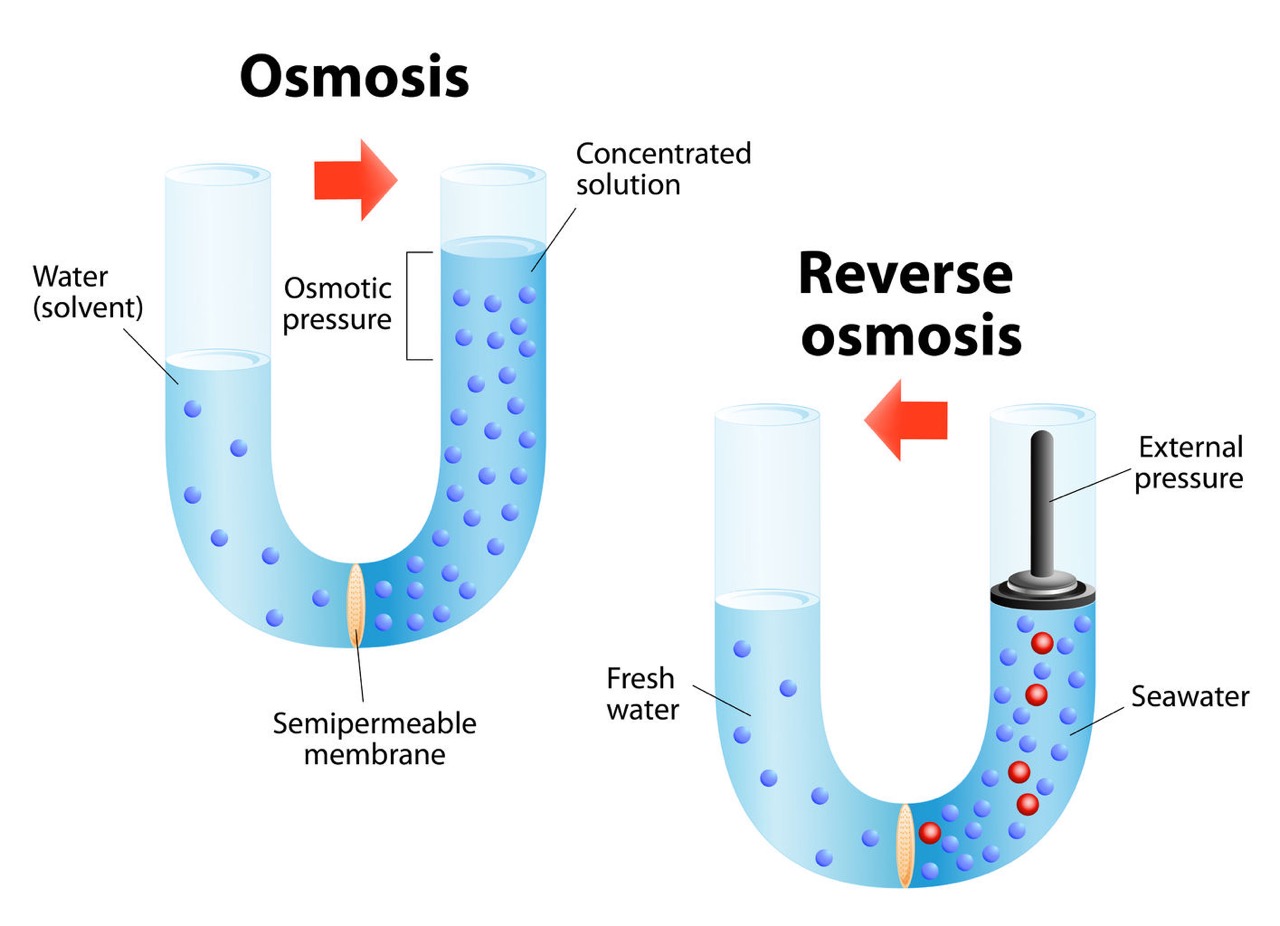 The Benefits of Reverse Osmosis Water Filtration for Home and Industry
Also, RO systems slow down. They produce water at a glacial pace—think a few cups per minute. Try filling a pitcher for a dinner party, and you’ll be tempted to just order takeout. It’s the polar opposite of a fire hose, and it will test your patience during thirsty moments.
Should you dive in or stay thirsty?
Honestly, it depends on your water drama level. If your tap tastes like a swimming pool and you have minor trust issues with the municipal supply, an RO system is a fantastic splurge. You’ll feel like a secret agent with your own water purifier hidden under the sink.
But if you have city water that’s already decent, you might be overkilling it. A simple pitcher filter does 80% of the job for 10% of the cost. Unless you’re brewing espresso for a snob friend who can taste the difference between spring water and melted snow. Then, by all means, go for the RO.
Here’s the funny thing: once you have RO water, you’ll become insufferable at restaurants. You’ll sip their tap water and whisper, “It’s fine, I guess,” while internally judging their mineral content. It’s a curse, really—a clean, crisp, slightly obnoxious curse.
Final sip
Reverse osmosis is like that friend who is amazing but a little extra. They’ll make your life better in specific ways, but they also require maintenance and space. Unless you’re ready to babysit filters and tolerate some water waste, stick with the humble Brita. But if you want water so pure it makes glaciers jealous, welcome to the club. Just don’t forget to buy extra filters—and maybe a sense of humor about your new expensive habit.
