Can Intreated Well Water Disruptthe Microbiome

So, you’re sipping a cool glass of water from your own well. It feels rustic, pure, almost like a secret superpower. But have you ever wondered what’s actually living in that...

So, you’re sipping a cool glass of water from your own well. It feels rustic, pure, almost like a secret superpower. But have you ever wondered what’s actually living in that water besides the occasional mineral? I’m talking about your gut microbiome—that bustling little city of bacteria inside you.
It’s a cozy thought, right? Your well water, all natural and untreated, might be throwing a tiny, unwelcome party for your digestive system. Untreated well water isn’t just water; it’s a living, wriggling ecosystem. And your microbiome? Well, it’s a sensitive fellow that prefers predictable guests.
The Hidden Guests in Your Glass
Let’s paint a picture. You’re chatting with a neighbor, and she mentions her stomach has felt “off” lately. She blames stress, but I’d bet my left boot on something else. Untreated groundwater can carry hitchhikers like bacteria, viruses, and even tiny parasites.
Must Read
Think of your gut microbiome like a peaceful garden. You want friendly flowers (good bacteria) and maybe a few polite daisies. But untreated well water can dump an invasive vine or a patch of aggressive weeds right into that garden. Your body then has to scramble to restore order.
It’s not always a disaster—sometimes your microbiome just shrugs. But over time, these little invaders can tip the balance. Suddenly, you’re bloated after a salad or feeling tired for no reason. That water you love might be the quiet culprit.
Wait, Isn’t Well Water “Natural” and Good?
I’m with you—there’s a romance to well water. It’s like wearing hand-knitted socks vs. store-bought ones. But “natural” doesn’t mean “microbiome-friendly.” Rainwater seeps through soil, picking up minerals, bacteria, and even animal waste traces.
Imagine your well as a giant straw sucking up whatever’s underground. That includes coliform bacteria from nearby farms or old septic systems. Your gut isn’t used to these new neighbors, and it gets cranky.
It’s a bit like inviting a punk band to a quiet book club. The book club (your good gut bugs) tries to carry on, but the noise and chaos disrupt everything. You end up with heartburn or an unpredictable stomach.
How Does This Feel in Daily Life?
Let me share a little story. My friend Rachel switched to well water at her cabin. She loved the taste—no chlorine, no weird aftertaste. Within two weeks, she had persistent gas and a “foggy brain.” She blamed her cooking, but I pushed her to test her water.
Bingo. The well had elevated levels of E. coli and nitrates. Her microbiome was basically waving a white flag. After installing a UV filter, her gut calmed down within days. She laughed, saying her stomach “appreciated the polite, filtered guests.”
It’s not just about tummy troubles, either. Your microbiome links to your mood, your skin, and even your immune system. Disrupted gut flora can make you catch every cold or feel inexplicably grumpy. That well water could be sabotaging your whole vibe.
The Real Gamble: What’s Not in the Glass
Here’s the sneaky part: you can’t see, smell, or taste most of these troublemakers. Your water might look crystal clear and taste like a mountain stream. But microscopic spores and bacteria are having a rave in your stomach.
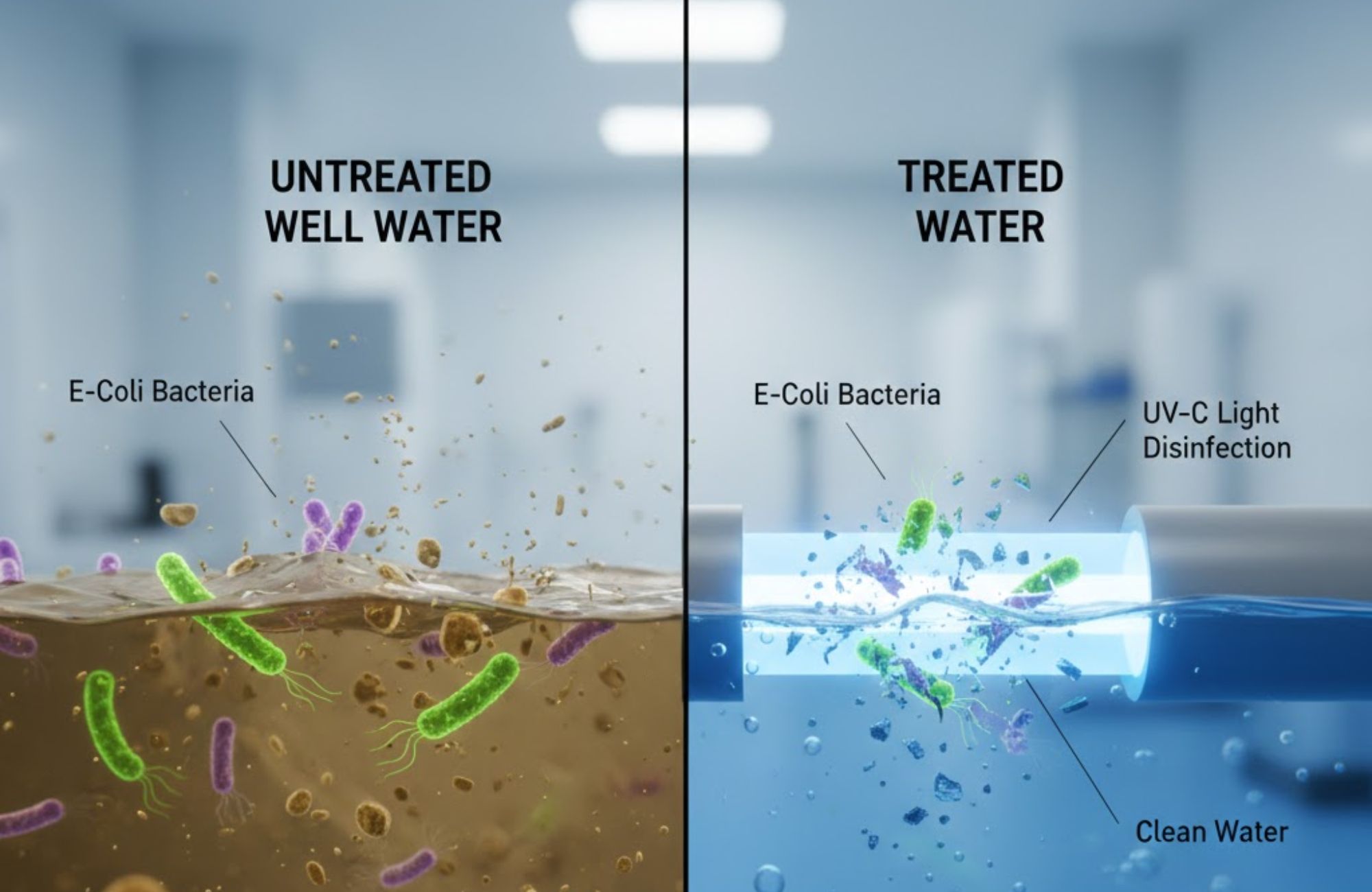 E. Coli in Well Water Treatment: What to Do Next - Housatonic Valley
Compare it to leaving a bowl of fruit out on the counter. It looks fine for a day, then suddenly it smells off. Your well water is that fruit, but on a longer, invisible time bomb. Bacteria like Cryptosporidium are tiny party crashers that don’t knock first.
And here’s the kicker: your microbiome might not even notice until weeks later. You’ll blame your lunch or that weird cheese. But the real drama started with a few sips of uncharted water.
So, Should You Panic?
No need to throw away your Mason jars or swear off rural living. But do treat your well water like a wild friend—check in on it regularly. A simple annual test for bacteria, nitrates, and pH is your microbiome’s BFF.
Think of it like this: you wouldn’t eat a salad from a mysterious garden without washing it. Your well water deserves the same caution. A basic sediment filter or UV light system isn’t expensive, and it transforms that wild water into a polite dinner guest.
Your gut is a hardworking little hero. It handles spicy meals, stressed days, and random snacks. But asking it to fight off a constant trickle of well water invaders? That’s like asking your mailman to battle a bear. Give your microbiome a break—test your well.
A Little Investment for a Big Peace of Mind
I’m not saying you need to install a NASA-grade filtration system. But a $30 test kit from a hardware store can save you weeks of “what’s wrong with my stomach?” musings. Imagine knowing your water is as friendly as a golden retriever to your gut.
My neighbor Tom drilled a well last year. He loved the “free” water until his kids kept getting stomach bugs. A test revealed high manganese and coliform bacteria. After a simple chlorine shock and a filter, the kids bounced back. Tom now calls his well “the microbiome’s spa.”
You don’t have to be a scientist to care about this. Just imagine your gut as a cozy sofa—you wouldn’t let muddy boots on it. Treat your well water like wiping those boots off at the door. Your microbiome will give you a silent, grateful hug.
So next time you fill that glass, pause. Smile, because you’re in control. A little testing and treatment turn that mysterious water into a trusty sidekick. And your belly? It’ll throw you a party—no uninvited guests allowed.
