What Happens If Water Softener Runs Out Of Salt

You know that feeling when you reach for a glass of water, take a sip, and it tastes… weird? Like someone secretly added a pinch of chalk? That’s hard water, and it’s why you...
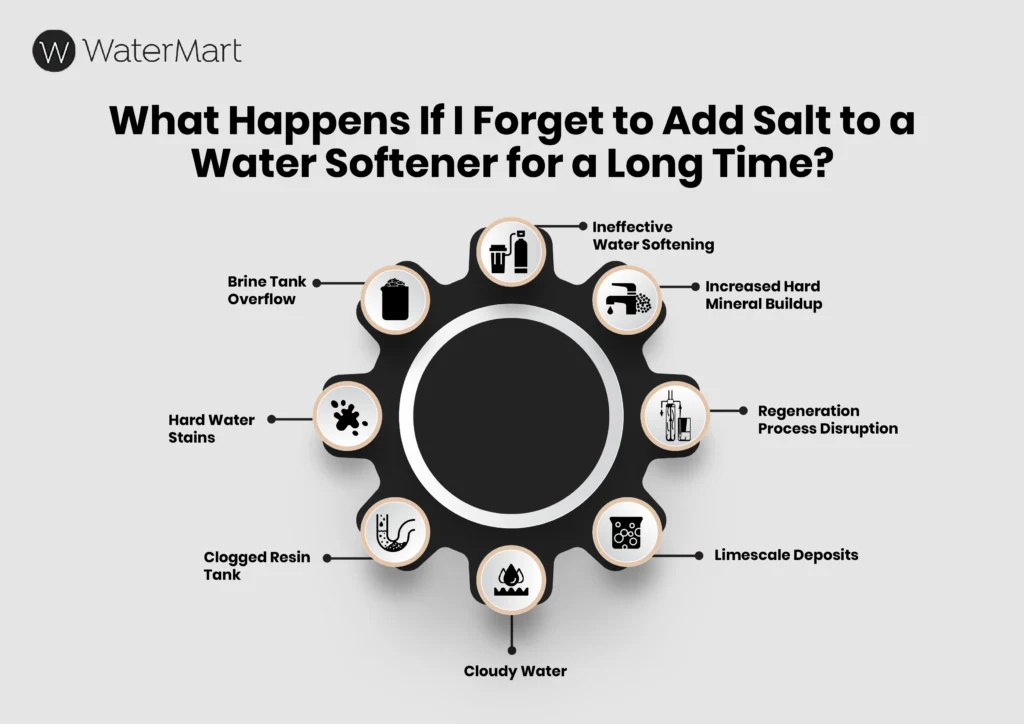
You know that feeling when you reach for a glass of water, take a sip, and it tastes… weird? Like someone secretly added a pinch of chalk? That’s hard water, and it’s why you bought that softener in the first place. But let’s be honest—how often do you check the salt in the brine tank? If you’re like most of us, you forget until your morning shower feels like a wrestling match with soap scum.
So, what happens if your water softener runs out of salt? It’s not the end of the world, but it’s also not a party. Think of your softener like a pet hamster. It needs a steady supply of “food” (salt) to do its job. Without it, the little guy just sits there, looking cute but useless.
The slow slide into hard-water chaos
First, nothing dramatic happens. Your water might still feel okay for a day or two. That’s because the resin beads inside the softener—the real heroes—still have a little sodium left on them from the last regeneration. But once that’s gone? It’s like your coffee mug running dry mid-sip. Suddenly, everything gets crunchy.
Must Read
You’ll notice it in the laundry first. Your favorite black T-shirt will come out with white mineral streaks. It’s not a fashion statement; it’s calcium and magnesium saying, “Hey, we’re back!” Your dishwasher will leave a cloudy film on glasses that looks like someone ghosted you with a dirty rag. And your shower? Good luck getting that squeaky-clean feeling. Instead, you’ll feel like you’ve been rinsing in a cave spring.
Your appliances start sulking
Here’s where it gets sneaky—and costly. Without salt, your water heater becomes a mineral magnet. Limescale builds up inside, making it work harder. Imagine trying to run a marathon in hiking boots. That’s your water heater, using more energy to heat the same amount of water. Your washing machine, too, will start complaining with weird noises and shorter lifespans. It’s like your appliances are giving you the silent treatment—until they break.
I remember my neighbor, Dave, who let his salt run dry for a month. He came over one day, grumbling about his coffee maker. “It takes forever to brew, and the coffee tastes like gravel,” he said. I checked his softener tank. Empty. Two days after refilling it, his coffee was back to normal. He called it a miracle. I called it common sense.
Why you should care (and smile about it)
Let’s be real: you have better things to worry about than salt levels. But ignoring it is like ignoring a leaky faucet—it just gets worse. The good news? Fixing it is dead simple. You don’t need a PhD in plumbing. Just lift the lid, check the salt level, and toss in a bag if it’s low. If it’s bone dry? Pour in some fresh salt and run a manual regeneration cycle. Most units have a button for that—it’s like pressing “reset” on your day.
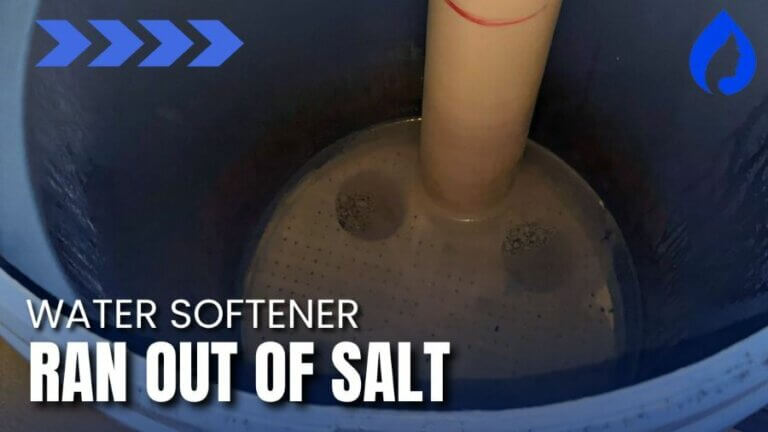 My Water Softener Ran Out Of Salt: 5 Terrible Things That Happen!
Think of salt as the unsung hero of your home. It’s cheap, it’s easy, and it keeps your water feeling like a spa retreat. When it runs out, you lose that softness bubble—but only for a while. Your water quality will bounce back within a day or two after you refill. No permanent damage, just a temporary “ick” factor.
A little story to seal the deal
Last year, I forgot to add salt for almost three weeks. My wife kept asking, “Why are our towels so stiff?” I shrugged it off. Then my daughter’s hair turned into a frizzy dandelion after every wash. That was the breaking point. I grabbed a 40-pound bag of salt from the hardware store, dumped it in, and hit the regeneration button. Within 48 hours, the towels were soft enough to wrap a baby in, and my daughter’s hair looked like it belonged on a shampoo commercial. My wife called me a hero. I just said, “I let the salt do the work.”
So, here’s the bottom line: running out of salt isn’t a disaster. It’s a gentle nudge from your home saying, “Hey, remember me?” The worst that happens is a week of dull glasses, scratchy clothes, and coffee that tastes like hard water. But if you check your tank every month—maybe when you pay your electric bill—you’ll save yourself and your appliances a lot of grief. Plus, you’ll keep your coffee tasting like victory.
Go check your salt tank right now. I’ll wait. It takes ten seconds, and it’s cheaper than a new washing machine. Your water—and your morning shower—will thank you.
