Distilled Water Is Homogeneous Or Heterogeneous

Hey there, science explorer! Have you ever stared at a glass of water and wondered, “What’s actually going on in there?” I mean, really, is it all the same stuff, or is there...
Hey there, science explorer! Have you ever stared at a glass of water and wondered, “What’s actually going on in there?” I mean, really, is it all the same stuff, or is there hidden drama happening at a microscopic level?
Let’s settle a fun little debate today: distilled water. Is it homogeneous or heterogeneous? Spoiler alert—it’s a total one-liner answer, but the ‘why’ is where the coolness lives.
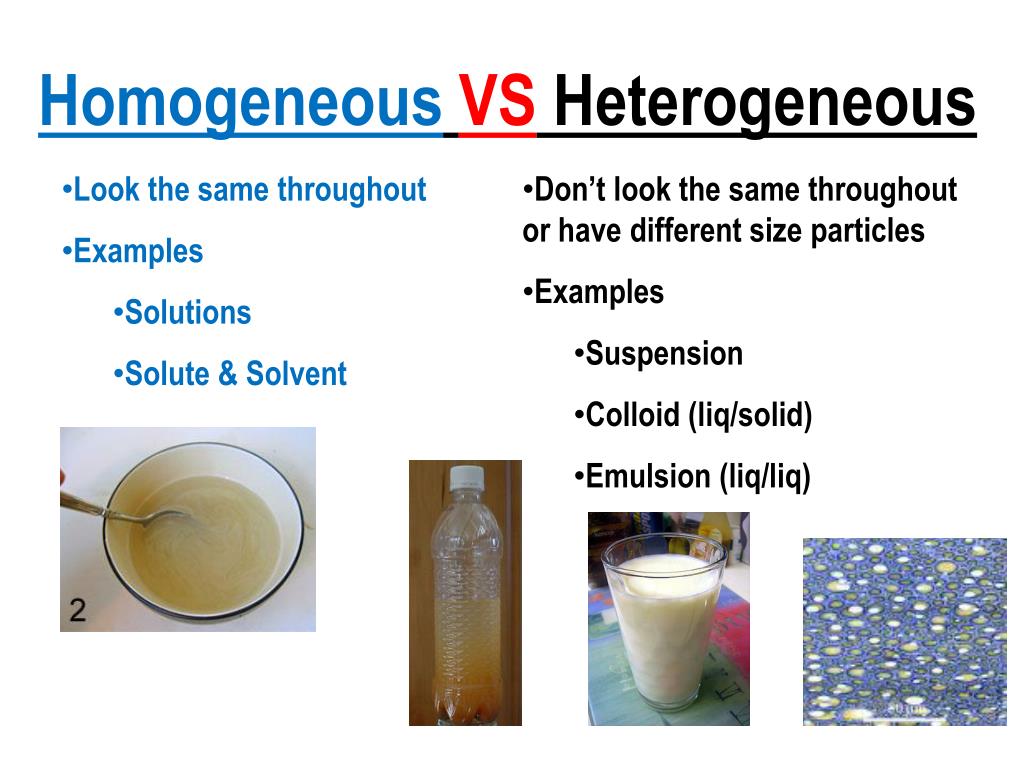
First, a quick refresher. Homogeneous means everything looks the same all the way through—like a perfectly blended smoothie. Heterogeneous means you can spot different parts, like chunky salsa with bits of tomato and onion floating around. Got it?
Must Read
So, Distilled Water: Same or Different?
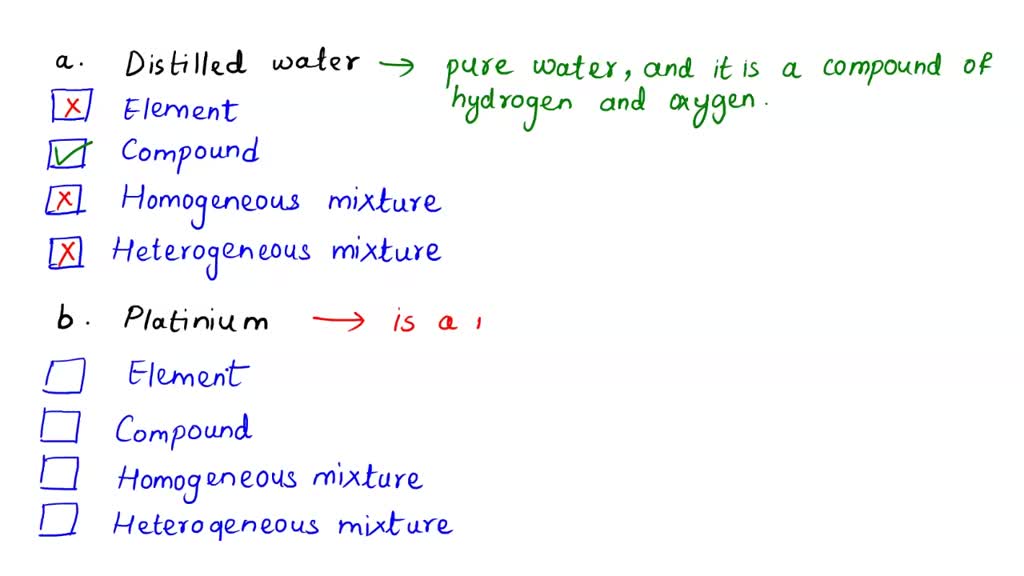
Distilled water is homogeneous. Full stop. It’s as uniform as a plain vanilla milkshake. You won’t find any mineral chunks, gas bubbles, or mysterious floaters in a properly distilled glass.
But here’s the thing—it’s not just “kind of” homogeneous. It’s extremely homogeneous. That’s because distillation strips away almost everything that isn’t H₂O, leaving behind a pure, single-phase liquid.
Imagine if you could take a single drop from the top of your glass and another from the bottom. Chemically, they’re identical twins. No surprises, no drama, just pure consistency.
Why That’s Actually Pretty Wild
Think about your tap water for a second. It’s a mixture—full of minerals, chlorine, maybe even tiny sediment particles. You could call that heterogeneous if you zoom in close enough. But distilled water? It’s like the minimalist of waters, refusing to carry any extra baggage.
In fact, distilled water is so homogeneous that it’s used in laboratories and hospitals. They need zero variability. Imagine mixing a life-saving medicine with water that changes from batch to batch—nope, not safe!
So, when you sip distilled water, you’re drinking something that has been engineered to be boring. And in science, boring is often brilliant.
But Wait—What About Air Bubbles or Temperature Layers?
Good question! If you pour cold distilled water into a warm glass, isn’t that different? Actually, temperature differences don’t change the chemical composition. It’s still pure H₂O—just some parts are colder than others.
 PPT - Topics : States of Matter Pure Substances Mixtures Physical and
Think of it like a pizza that’s hot on one end and cold on the other. It’s still cheese, sauce, and dough everywhere, right? Same idea. Distilled water remains chemically identical in every single molecule.
And what about dissolved gases? When you open a bottle, a tiny bit of air mixes in. But those gases don’t form visible separate layers—they dissolve evenly, keeping the water homogeneous at a molecular level.
A Fun Comparison for Your Brain
Imagine a jar of pure honey. Looks the same everywhere? Yep. Now imagine a jar of trail mix. Got nuts, raisins, and chocolate chips? That’s heterogeneous. Distilled water is the honey—perfectly blended, no lumps.
Or picture a clear, still lake on a calm day. The water looks all the same from the surface, right? But that lake contains algae, minerals, and tiny living things. Distilled water is like that lake’s dream—if it could filter out everything except pure water.
So, Why Should You Care?
Because understanding homogeneity helps you see the world in a new way. You start noticing which things are mixed, which are pure, and why that matters for your morning coffee, your car’s battery, or even your skincare routine.
Distilled water is a perfect example of a pure substance—specifically, a pure compound. And every drop of a pure compound is homogeneous. That’s not just a textbook fact; it’s a window into how matter behaves.
Next time you see a bottle of distilled water, give it a little nod. It’s the introvert of the water world—quiet, consistent, and always the same on the inside. And honestly, sometimes that’s exactly what you need.
Stay curious, my friend. And maybe grab a glass of water—distilled or not—and think about how amazing it is that something so simple can be so complex.
