Water Analysis Equipment Contract Manufacturing

So, you want to talk about water analysis equipment contract manufacturing. That’s a mouthful, right? Sounds like something you’d need a PhD just to pronounce. But I promise,...
So, you want to talk about water analysis equipment contract manufacturing. That’s a mouthful, right? Sounds like something you’d need a PhD just to pronounce. But I promise, it’s way cooler than it sounds—and way more relatable.
Think about it: every time you take a sip of tap water, you’re trusting a tiny army of sensors and gadgets. Someone has to build those little heroes. And that’s where contract manufacturing comes in—the behind-the-scenes wizardry that turns a wild idea into a water-testing wonder.
What Even Is Contract Manufacturing?
You’re a genius with a killer concept for a water quality probe. But you don’t own a factory. You don’t have a soldering iron or a clean room. Contract manufacturing is your savior—a company that takes your design and, well, makes it real.
Must Read
It’s like ordering a bespoke suit, but for analytical instruments. They handle the messy stuff: sourcing parts, assembly, testing, and packaging. You get to keep your sanity and your weekend.
And let’s be honest—who wants to own a warehouse full of pH meters anyway? Not me.
Why Water Analysis is a Big, Splashy Deal
Water is life. Cliché? Sure. But also true. Whether it’s a fish farm, a pharmaceutical lab, or your local swimming pool, water needs checking. For bacteria, chemicals, or just how cloudy it looks.
Contract manufacturers build the gear that does that checking. Spectrophotometers, turbidity meters, conductivity sensors—the whole shebang. They’re the unsung heroes of every clean glass you drink from.
And here’s the kicker: these machines have to be absurdly precise. Like, “one particle off and we’re all in trouble” precise. That’s why you want a manufacturer who actually cares about calibration. (And maybe has a sense of humor about it.)
The Dirty Little Secrets of the Process
First, there’s the prototyping phase. You send them a napkin sketch or a CAD file. They scratch their chins, mutter “interesting,” and then build a clunky version that looks like a science fair project. That’s normal.
Then comes the testing. Oh, the testing. They dunk it in swamp water, acid, and hot coffee (probably). If it survives, it’s ready for production. If not, back to the drawing board. Patience, young padawan.
Volume matters, too. Do you need 50 units for a small pilot study? Or 50,000 to equip every municipal water plant in Ohio? Contract manufacturers can scale up or down like a yoga master. It’s honestly impressive.
Quality Control: The Real MVP
You can’t just slap parts together and call it a day. Water analysis equipment has to pass rigorous standards. ISO certifications, EPA guidelines, things that make your eyes glaze over. But they’re crucial.
A good contract manufacturer will test every single unit before it ships. They’ll check for drift, accuracy, and whether the blue LED really blinks blue. Because if it blinks red, you’ve got a problem. And probably a phone call from an angry lab manager.
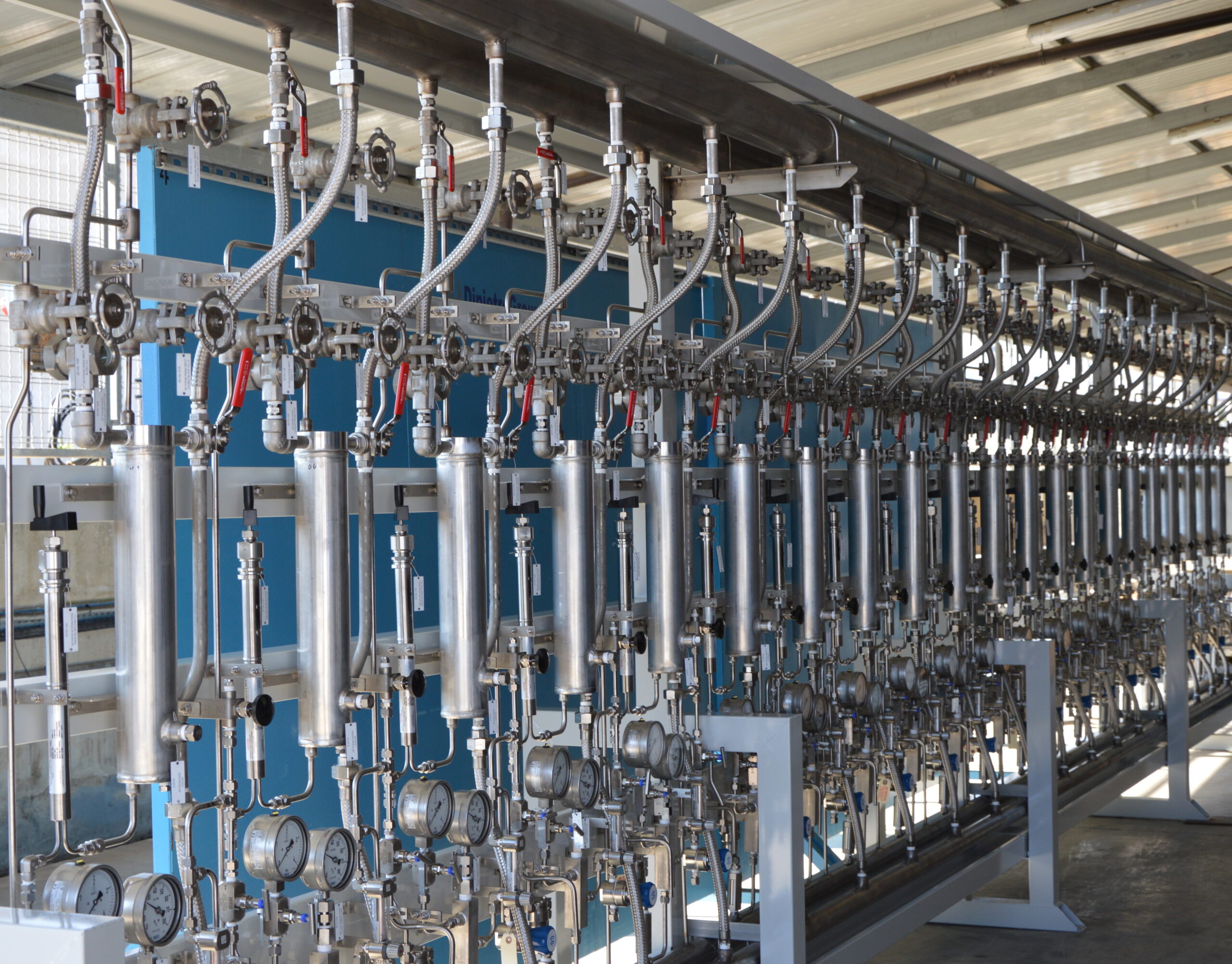 Analytical Systems – Dipietro Group
Some even simulate extreme conditions—like blasting the device with heat, cold, and vibration. Why? Because what if your water tester ends up in a desert or a frozen tundra? Stranger things have happened.
The Fun Part: Customization
Here’s where it gets playful. You want a water analyzer that also plays a little jingle when the water is clean? Contract manufacturers can do that. (Okay, maybe not the jingle, but they’ll add custom firmware and quirky labels.)
They’ll print your logo on the side. They’ll make the casing hot pink if that’s your thing. You’re the boss. They just make sure the electronics don’t explode.
And they’ll source the most bonkers components. Like, “We need a sensor that can detect a single molecule of pesticide in a Olympic-sized pool.” No problem. They’ll find it. Probably in a catalog from a company in Finland.
Cost: It’s Not as Scary as You Think
People assume contract manufacturing is for the rich and famous. It’s not. Even startups with shoestring budgets can get in on the action. You share costs, you split risks, and you avoid buying a $100,000 machine you’ll use once.
Plus, you get their expertise. They know which screws strip and which batteries explode. You learn from their mistakes—free of charge. Cha-ching.
And if you’re thinking, “But I can just buy an off-the-shelf device,” sure, you can. But then it won’t do that one weird thing your research needs. Custom manufacturing is for the rebels.
Why You Should Care (Even If You’re Not a Scientist)
Because clean water matters to everyone. And behind every TDS meter you buy on Amazon is a contract manufacturer who stayed up late soldering tiny wires. Give some love to the engineers.
Also, if you ever start a water-testing company, you’ll know who to call. And you’ll look like a big shot when you say, “We’re in talks with a contract manufacturer.” Very impressive at cocktail parties.
So next time you see a water testing kit, smile. Think of the little factory that could. And maybe give it a gentle hug. (Okay, don’t—water and electronics don’t mix. But you get the idea.)
