Industrial Reverse Osmosis System Manufacturers

You’ve probably never given much thought to reverse osmosis. It sounds like a high-school science experiment gone wrong. But the truth is, industrial reverse osmosis system ma...

You’ve probably never given much thought to reverse osmosis. It sounds like a high-school science experiment gone wrong. But the truth is, industrial reverse osmosis system manufacturers are the quiet architects of modern life, shaping everything from the crispness of your soda to the purity of the silicon chips in your phone.
Think of them as the water wizards of the manufacturing world. They don’t just build machines; they build trust—one perfectly filtered molecule at a time. And trust us, behind every gleaming factory floor, there’s at least one operator whispering sweet nothings to a massive RO skid.
What Exactly is an Industrial RO System?
Imagine a bouncer at the most exclusive club in the world. That’s your reverse osmosis membrane. It uses pressure to push water through a semi-permeable barrier, kicking out everything—salts, bacteria, even the ghost of last week’s coffee spill.
Must Read
Industrial versions are the supermodels of the filtration world. They handle thousands of gallons a day, not just for the fun of it, but to keep power plants running and pharmaceutical labs sterile. Manufacturers are now blending old-school engineering with smart AI sensors that adjust pressure on the fly.
It’s a weird, wonderful marriage of plumbing and algorithms. Think of it as “Terminator 2” meets a Brita filter.
A Quick Cultural Detour: The Manhattan Soda Secret
Ever wonder why New York bagels and pizza taste so different? It’s the water. The city’s famously soft tap water is a low-mineral dream for dough. But industrial RO systems take that concept global.
Major beverage brands use custom RO systems to strip their water down to zero. Then, they add back exactly the minerals required for that signature taste. Coca-Cola doesn’t sell water; they sell a consistent emotional experience. And the manufacturers make that possible.
Here’s a fun little fact: a single industrial RO system for a car wash can recycle up to 85% of its waste water. That’s the equivalent of saving 400 bathtubs per month from evaporation. Not bad for a machine that looks like a giant astronaut’s sleeping bag.
Choosing the Right Manufacturer: A Practical Guide
So you’re in the market for an industrial RO system. Great. First, avoid the “one-size-fits-all” sales pitch. A system for a dairy farm looks nothing like one for a microchip fab.
Here are three insider tips to keep you sane and hydrated:
1. Ask about “recovery rate” like it’s a secret handshake. Higher recovery means less water wasted. The top manufacturers will brag about hitting 75% or more. If they squirm, walk away.
2. Demand a “service map” that includes your local technician. A beautiful machine is useless if you have to wait three days for a fix because the only expert is in another state. Your manufacturer should practically live in your building for the first six months.
3. Look for “membrane life” guarantees in writing. Some membranes last 5 years; others fizzle out in 18 months. A reliable manufacturer offers a performance warranty that covers flow and rejection rates over time. Get it in ink.
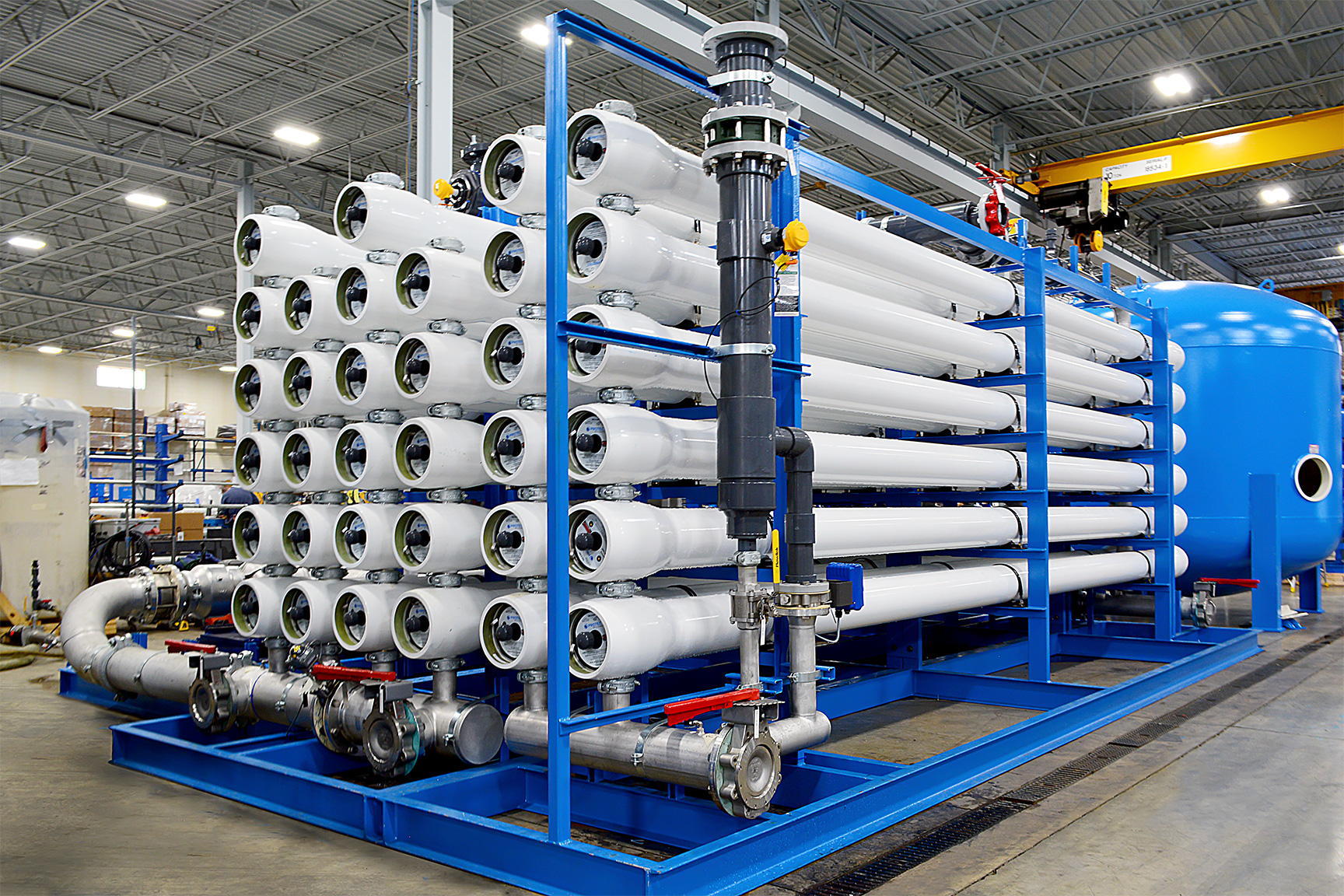 Reverse osmosis system 60 фото - Dkelectro.ru
Also, don’t buy into the hype of “zero maintenance.” That’s a lie. Every system needs love. Think of it as a pet rock that spits out clean H2O—and occasionally needs a filter swap.
The Tech is Getting Cooler (and Weirder)
Industrial reverse osmosis is currently having a renaissance. Modern manufacturers are integrating real-time IoT (Internet of Things) dashboards. You can check your water purity from your phone while waiting for a burrito.
Some high-end systems now use “energy recovery devices” that harness the pressure of the waste stream. It’s like capturing the wind from your own breath to blow up a balloon. The result? Systems that consume 60% less energy than their 1990s ancestors.
And if you’re into green vibes, the industry is moving toward “zero liquid discharge.” That means the waste brine gets crystallized into solid salt. It’s essentially making diamonds from mud—but with salt.
A Quick Reality Check
Not everything is rosy. The upfront cost of an industrial RO system is still steep—think “used luxury car” or “nice addition to your house.” The installation process is also messy; it requires heavy plumbing, electrical work, and a lot of meetings about “floor drain placement.”
But here’s the perspective: a good manufacturer invests in your peace of mind. They know that a membrane failure at 3 AM can shut down a whole production line. So the best ones offer 24/7 remote monitoring. It’s like having a lifeguard watch your water 24/7 from a satellite.
And let’s be real: It’s still cheaper than buying bottled water by the truckload. According to one industry report, companies save up to 70% on water costs after switching to industrial RO. That’s math that even a non-engineer can love.
The Metaphor You Didn’t Know You Needed
Life is a lot like an industrial RO system. We take in a lot of chaotic, noisy stuff—stress, bad news, too many tabs open. The “membrane” is our boundaries and good habits that filter out the junk under pressure.
Sometimes, you need a manufacturer for your own soul. A mentor, a coach, or just a quiet Sunday morning without notifications. That’s your personal recovery rate. You push the impurities out into the drain, and you keep the flow pure.
So next time you crack open a bottle of water or watch a skyscraper’s cooling towers steam, give a small nod to the industrial reverse osmosis system manufacturers. They’re not just plumbing the world; they’re filtering our way toward a clearer, quieter kind of progress. And that’s something worth raising a glass to.
After all, in a sea of chaos, a little bit of clarity goes a long way.
