What's The Difference Between Alkalinity And Ph

Ever stared at a bottle of spring water and wondered what that little "pH 7.4" actually means? Or maybe you’ve heard a pool owner mutter something about "balancing the alkalin...

Ever stared at a bottle of spring water and wondered what that little "pH 7.4" actually means? Or maybe you’ve heard a pool owner mutter something about "balancing the alkalinity" and nodded along like you knew what they were talking about. You’re not alone—these two terms get tossed around like confetti, but they’re not the same thing.
Let’s get cozy and break it down, no lab coat required. Think of pH and alkalinity as two different characters in the same story about water chemistry. They’re related, sure, but they have very different jobs.
What’s pH, Really?
pH is simply a measure of how acidic or basic a liquid is at this very moment. It’s like checking the temperature of your coffee: hot or cold, acidic or basic, right now.
Must Read
The scale runs from 0 (super acidic, like battery acid) to 14 (super basic, like drain cleaner). Pure water sits right in the middle at 7, which is neutral. Lemon juice? That’s a zesty 2. Baking soda in water? That’s a calm 8 or 9.
Here’s the fun part: pH is a logarithmic scale. That fancy word just means a drop from 7 to 6 is ten times more acidic. Think of it like a staircase where every step down is a huge jump in acidity. Wild, right?
Okay, So What’s Alkalinity?
Alkalinity is a whole different vibe. It’s not a measurement of what the water is right now; it’s a measurement of the water’s buffering capacity. That’s just a fancy way of saying: how well can this water resist changing its pH when you dump something acidic or basic into it?
Imagine pH is the mood of a room, and alkalinity is the room’s furniture. A room with no furniture (low alkalinity) gets completely rearranged if someone walks in. A room with heavy, solid furniture (high alkalinity) barely changes when someone bumps into it. Alkalinity is that stubborn, stable furniture.
In simpler terms, alkalinity is the bodyguard for your pH. It absorbs shock. If you have high alkalinity, your pH will stay steady even if you add a little acid. Low alkalinity? Your pH will bounce around like a ping-pong ball.
Why Should You Care? It’s Actually Super Cool.
Here’s where it gets interesting for your daily life. Have you ever tried to adjust the pH in your fish tank or hot tub, only to have it swing wildly back? That’s low alkalinity messing with you. You add a bit of pH-down, and suddenly the water is a pool of vinegar.
Or think about your garden soil. You test the pH and it’s too acidic for your tomatoes. You add lime, but the pH barely moves. That’s high alkalinity in the soil working its magic—it’s stubbornly holding its ground. You’d need to add a lot more lime to overcome that buffer.
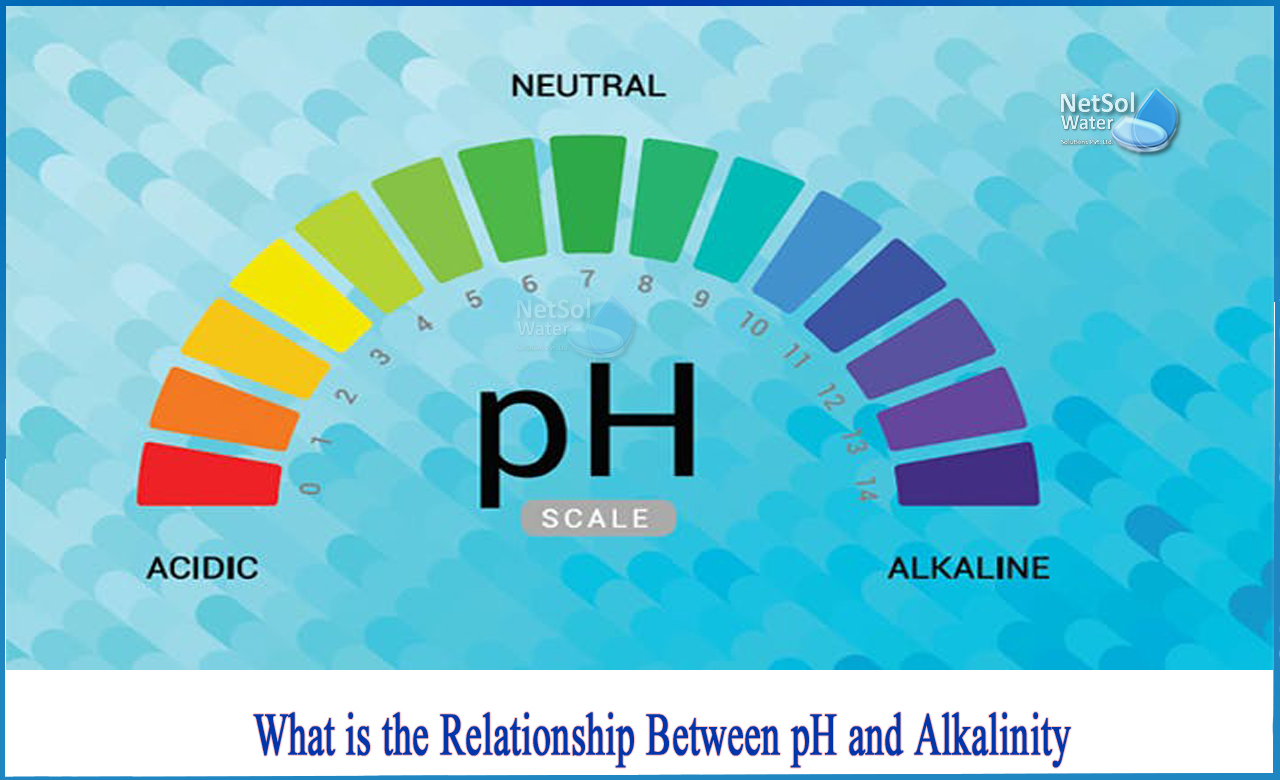 What is the relationship between pH and alkalinity
In our own bodies, blood pH is famously locked at around 7.4. Our lungs and kidneys work overtime to keep it there. But guess what? Your blood also has its own alkalinity—a buffer system made of bicarbonate—that prevents a slice of pizza from tanking your pH. Your body is a master chemist.
The Classic Analogy: A Swimming Pool
Let’s use the pool example because it’s the perfect stage for this drama. The pool store tells you to keep pH between 7.2 and 7.8, and alkalinity between 80 and 120 parts per million. Why?
If your alkalinity is too low, your pH will crash every time a kid jumps in with sunscreen on. You’ll be constantly adding chemicals to fix the pH. It’s exhausting. If your alkalinity is too high, your pH will be stuck high, refusing to budge, and the water might get cloudy or scale up.
The pro move is to adjust alkalinity first, then fine-tune the pH. Think of alkalinity as the foundation of a house, and pH as the paint color. You fix the foundation before you worry about the shade of blue.
A Quick Cheat Sheet to Remember
pH answers: "Is this water acidic or basic right now?" It’s a snapshot. Alkalinity answers: "How hard is it to change that pH?" It’s a safety net.
Still with me? Good. Here’s the cool takeaway: you can have two glasses of water with the exact same pH of 8, but one might have high alkalinity and the other low. That means one glass is easy to push into acidity, while the other fights back like a champ. Same pH, totally different personalities.
So next time you see "pH balanced" on a shampoo bottle, ask yourself: but what about the alkalinity? Probably not much, because that’s the boring chemical stuff behind the scenes. But now you’re in the know. You’re the one who understands that pH is the headline, and alkalinity is the fine print that makes the headline possible.
Pretty neat, huh? Water isn’t just water—it’s a balancing act between a snapshot and a superpower. Go ahead, test your tap water. You might just surprise yourself with how much you suddenly understand.
