Whole House Reverse Osmosis Water Filter System

Last Tuesday, I watched my neighbor, Gary, haul another case of plastic water bottles into his garage. He grumbled about his tap water tasting like a swimming pool and his bad...

Last Tuesday, I watched my neighbor, Gary, haul another case of plastic water bottles into his garage. He grumbled about his tap water tasting like a swimming pool and his bad back from carrying 40 pounds of “premium hydration” every week. Seriously, Gary? I felt a little smug, sipping from my glass of crisp, clean tap water. That’s when I realized I needed to tell you about the life-changing upgrade I made: a Whole House Reverse Osmosis Water Filter System.
You might think a whole-house RO system is overkill. I thought the same thing until I saw what it actually does. It’s not just a fancy pitcher in your fridge; it’s a complete overhaul of every drop of water that enters your home. Think of it as a bouncer for your pipes, kicking out everything from chlorine to lead before they even think about touching your faucet.
What’s the Big Deal About Your Entire House?
Most people only filter their drinking water at the kitchen sink. That’s great for your coffee, but what about your shower? Ever notice your skin feels dry after washing your hair? That’s chlorine and hard minerals doing a number on you. A whole-house system filters water before it reaches your water heater, your washing machine, and every single tap.
Must Read
Imagine this: no more “hard water” spots on your glasses. No more that weird metallic smell when you turn on the hot water. Your skin and hair will seriously thank you—it feels like you’re showering in bottled spring water. Okay, maybe not spring water, but you get the vibe.
RO: The Science Made Simple
Reverse Osmosis sounds like something from a sci-fi movie, but it’s actually pretty neat. It uses pressure to push water through a super-fine membrane that catches everything bigger than a water molecule. We’re talking about removing up to 99% of contaminants: fluoride, arsenic, nitrates, and even those nasty PFAS chemicals you hear about in the news.
So for your whole house, you need a tank and a pre-filter setup to handle the volume. It’s a bit more involved than a countertop unit, but the pay-off is chef’s kiss. You’ll never buy another plastic bottle again. Your wallet and the planet will both get a high-five.
But Wait—There’s a Catch (Sort Of)
Let’s be real for a sec. Whole-house RO systems use more water than standard filtration. They waste about 3 to 4 gallons for every 1 gallon they produce. Yikes, right? But modern systems are getting much better, and you can divert that “waste” water to your garden or a rain barrel. It’s not a dealbreaker, just something to plan for.
Also, the initial installation can be pricey, often a few thousand dollars. But do the math: how much do you spend on bottled water, shower filters, and descaling your coffee maker every year? It pays for itself in a few years, and your plumbing will last longer without mineral buildup. Plus, your coffee will taste obscenely good.
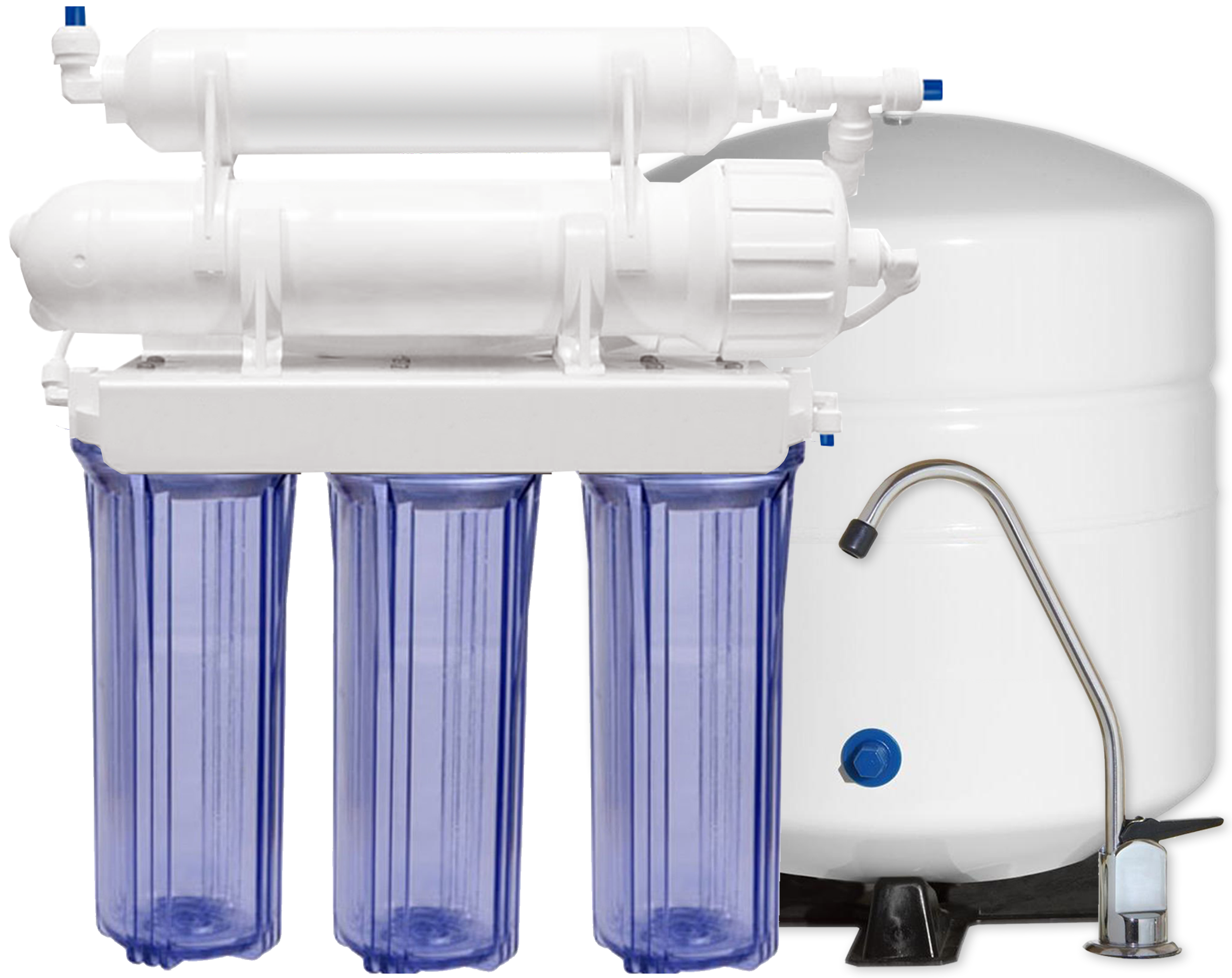 Residential Drinking Water Systems Reverse Osmosis | Reverse Osmosis
Installation: Don’t Be a Hero
Unless you’re a plumber or a wizard with copper pipes, hire a pro. You need to install it where your main water line comes into the house, usually in the basement or garage. The system includes sediment filters, carbon filters, the RO membrane, and a storage tank. It looks like a small robotic octopus, but it’s beautiful if you like clean water.
After installation, you’ll get a separate faucet for drinking water (or a line to your fridge). The whole house gets the softened, filtered water, but the drinking tap gets the purest, RO-treated stuff. It’s like having a VIP section for your hydration needs.
Is It Actually Worth It?
The short answer: yes, if you care about taste and hard water spots. If your tap water tastes like a public pool or leaves white scale on everything, a whole-house RO system is a total game-changer. I’ve been using mine for six months, and I can’t imagine going back. My morning tea doesn’t have that weird film on top anymore. Heaven.
On the flip side, if your municipal water is already decent, you might get away with a simple carbon filter. But for anyone on well water or in an area with aging pipes, this is essential peace of mind. You’re not just filtering water; you’re protecting your family from heavy metals and random pollutants.
So, do yourself a favor and at least test your water. Get a cheap kit online. Then, when you see the results, you’ll understand why Gary is still hauling plastic bottles. You can be smug like me, but you’ll also be healthier, save money, and drink the best water straight from your own tap. Now, if you’ll excuse me, I need to refill my glass. That metallic taste is just a bad memory.
