Water Filtration System For Home Reverse Osmosis

Your Tap Water is Plotting Against You (And RO Can Save the Day) Picture this: you fill a glass from the faucet, take a sip, and suddenly you taste the ghost of last week’s br...
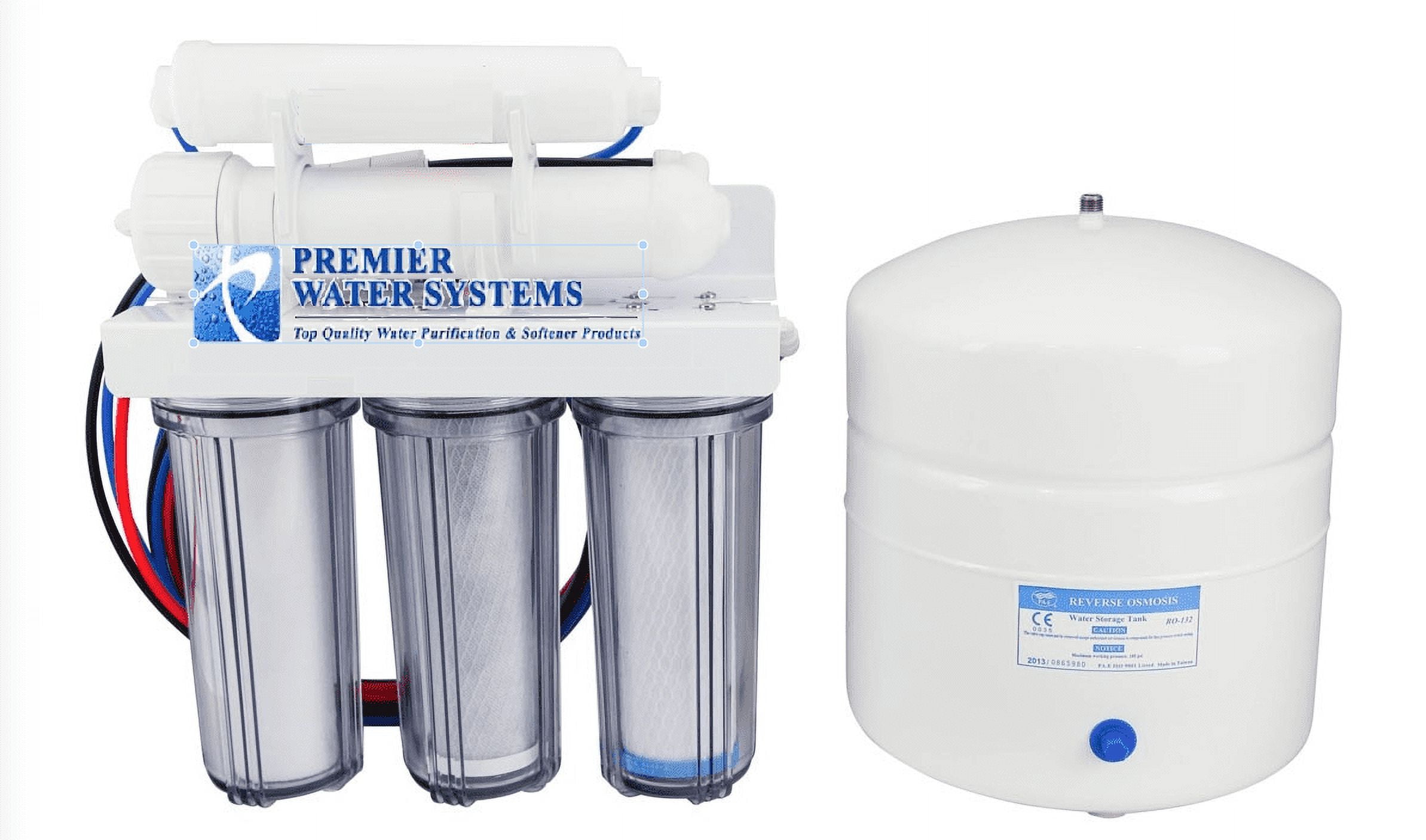
Your Tap Water is Plotting Against You (And RO Can Save the Day)
Picture this: you fill a glass from the faucet, take a sip, and suddenly you taste the ghost of last week’s broccoli, a hint of garden hose, and a weird metallic tang that makes you question your life choices. Welcome to the world of unfiltered tap water. It’s a culinary roulette wheel, and you’re losing.
That’s where the Reverse Osmosis (RO) system comes in, looking like a plumber’s fever dream under your sink. It’s not magic, but it’s close—think of it as a bouncer for your water, kicking out the riffraff. We’re talking about filtering water so pure it makes bottled water look like pond scum in a fancy dress.
The Science-y Stuff (Made Funny)
Reverse Osmosis sounds like something a rebellious teenager would do to their parents, but it’s actually physics being a show-off. You have a semi-permeable membrane with pores so tiny, only water molecules can squeeze through. Everything else—lead, chlorine, the ghost of that broccoli—gets told to take a hike.
Must Read
Here’s a shocking fact: your tap water can legally contain tiny amounts of arsenic, uranium, and even feces. Not enough to kill you, sure, but enough to make you stare at your next glass like it’s a hostage note. RO systems yank out 99% of that nonsense, leaving you with water so clean it’s practically apologizing for its former life.
The pressure pushing water through the membrane is surprisingly intense—we’re talking 40 to 80 pounds per square inch. That’s like having a sumo wrestler sitting on your water molecules to squeeze out the impurities. Respect the juice, folks.
What It Actually Removes (And What It Doesn’t)
RO systems are the overachievers of filtration. They nuke lead, mercury, fluoride, chlorine, pesticides, and even microplastics. You could pour a glass of murky swamp water in one end, and it’d come out so pure you’d think you’re drinking clouds. Okay, don’t actually test that—swamp water is a vibe killer.
But here’s the curveball: RO removes minerals like calcium and magnesium too. That means your water becomes “hungry water,” which loves to dissolve things, including your pipes. That’s why good systems add a remineralization filter to put the good stuff back. It’s like a de-aging machine for your H₂O.
Surprising fact: a single RO system uses about 3 to 4 gallons of water for every 1 gallon of clean water it produces. The rest goes down the drain as concentrate. Is it wasteful? A little. But seeing your tap water turn from murky to crystal clear feels like winning a tiny environmental Nobel Prize anyway.
The History You Didn’t Ask For
Reverse Osmosis wasn’t invented to make your morning coffee taste better—it was born in the 1950s to desalinate ocean water for the U.S. Navy. Imagine soldiers at sea, desperate for a drink, and some scientist says, “Let’s squeeze the sea through a plastic sheet.” And it worked. That’s the same tech under your sink, just smaller and less likely to be shot at.
During the 1960s, RO systems were the size of refrigerators and cost as much as a car. Now you can buy one for the price of a nice dinner for two (unless you order the lobster). They’ve shrunk so much that some fit inside a Brita pitcher—which is like strapping a jet engine to a tricycle.
The Installation Horror Story (And Happy Ending)
Installing an RO system sounds like a weekend project, but it’s actually three hours of cursing under the sink, discovering a crusty old sponge from 1997, and questioning your marriage. Don’t worry, you can do it yourself if you’re handy with a wrench and not afraid of getting wet. Otherwise, pay a plumber an extra $150 to save your sanity.
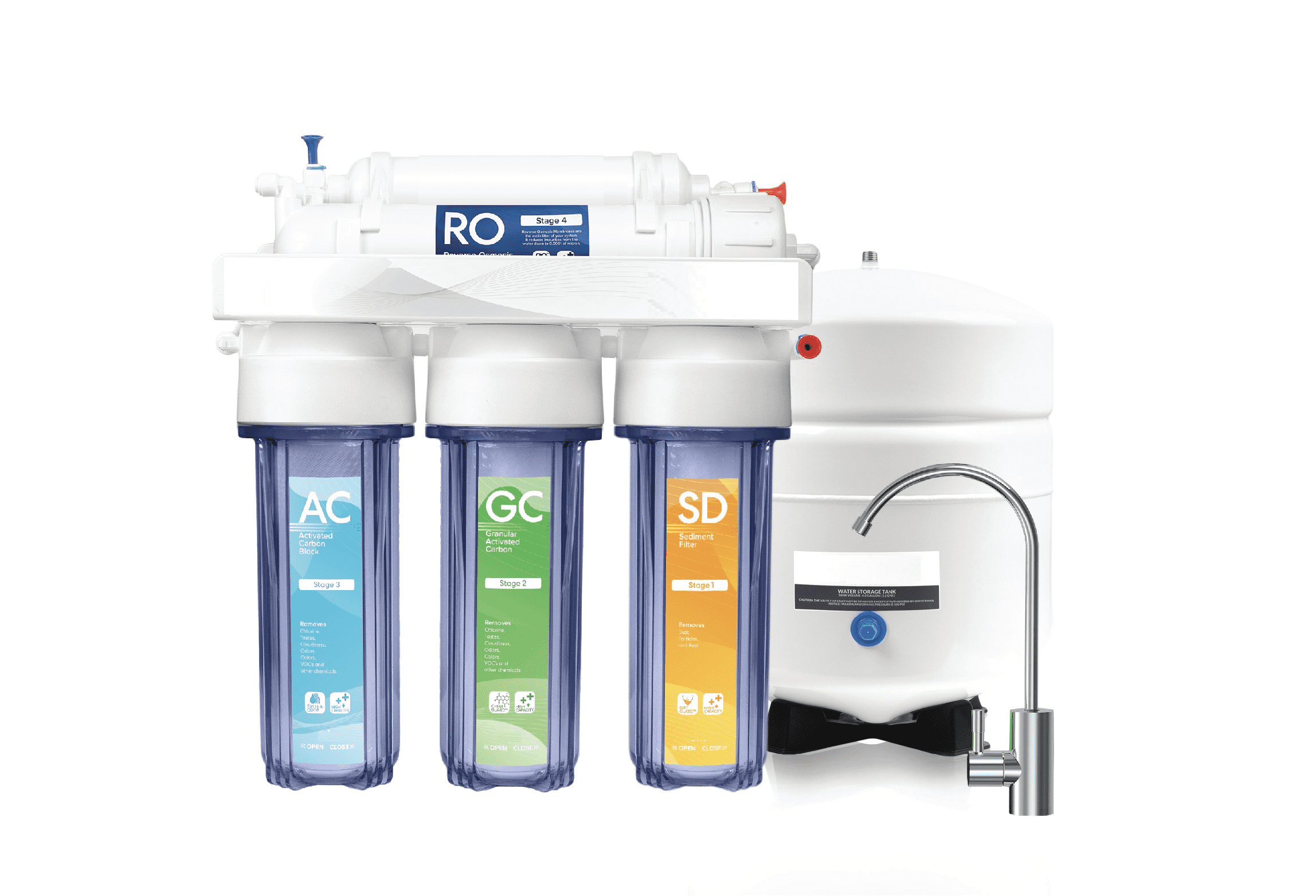 5 Stage: Complete Home Reverse Osmosis Drinking Water Filtration System
Once it’s in, the tank fills up slowly—like watching a sloth climb a tree. But when you finally turn the tap, the water comes out so crisp, you’ll start drinking it for fun. I once chugged three glasses in a row just to taste the nothingness. It was glorious.
Pro tip: change the filters every 6 to 12 months, or your system becomes a slime factory. Miss a few changes, and you’ll be drinking “memory water” that tastes like regret and old shoes. The membrane lasts 2-3 years if you’re good, which is longer than most new year’s resolutions.
The Taste Test Challenge
Do a blind taste test with your friends: tap water, fridge-filtered water, and RO water. The results will make you laugh. Tap water tastes like the city’s swimming pool. Fridge water tastes like “filtered,” which is fancy for “slightly less pool.” RO water tastes like nothing—and that’s the point. Pure, neutral, ready to be turned into coffee or whiskey without any weird side notes.
Remember that movie Dumb and Dumber where Lloyd says, “I like it because it’s so thirst-quenching”? That’s RO water. It’s so clean that your body doesn’t have to fight off invisible enemies. Your kidneys will send you a thank-you card (probably in the form of clearer pee).
Is an RO system overkill for most people? Absolutely. But so is having a bidet, a sous-vide machine, or shoes for your dog. Once you go RO, you never go back—except to refill your water bottle, which you’ll now do with a smug grin.
The Bottom Line (And Why It’s Wet)
If your tap water tastes like pennies, smells like chlorine, or makes your ice cubes look cloudy, get an RO system. It’s the ultimate luxury upgrade for your kitchen, like a heated toilet seat but for your water. You’ll spend about $150 to $400, and you’ll get water that would make a Himalayan glacier jealous.
Just know that the system will take up half your sink cabinet, and you’ll need to drill a hole in your counter or use a special faucet. That’s the price of purity—or of telling your tap water that it’s fired. And honestly, watching that first glass of clean water come out? It’s better than a magic trick. Because now you can finally drink with confidence.
Unless you’re already drinking from a spring in the Alps. Then please ignore this article and go back to living your dream life. For the rest of us, RO water is the antidote to the ick factor of modern plumbing. Cheers to nothingness.
