What Happens If You Drink Bottled Water Everyday

So, you’re a bottled water devotee. You grab that plastic or glass companion every single day. Let’s talk about what’s actually happening inside your body—and your life. Firs...
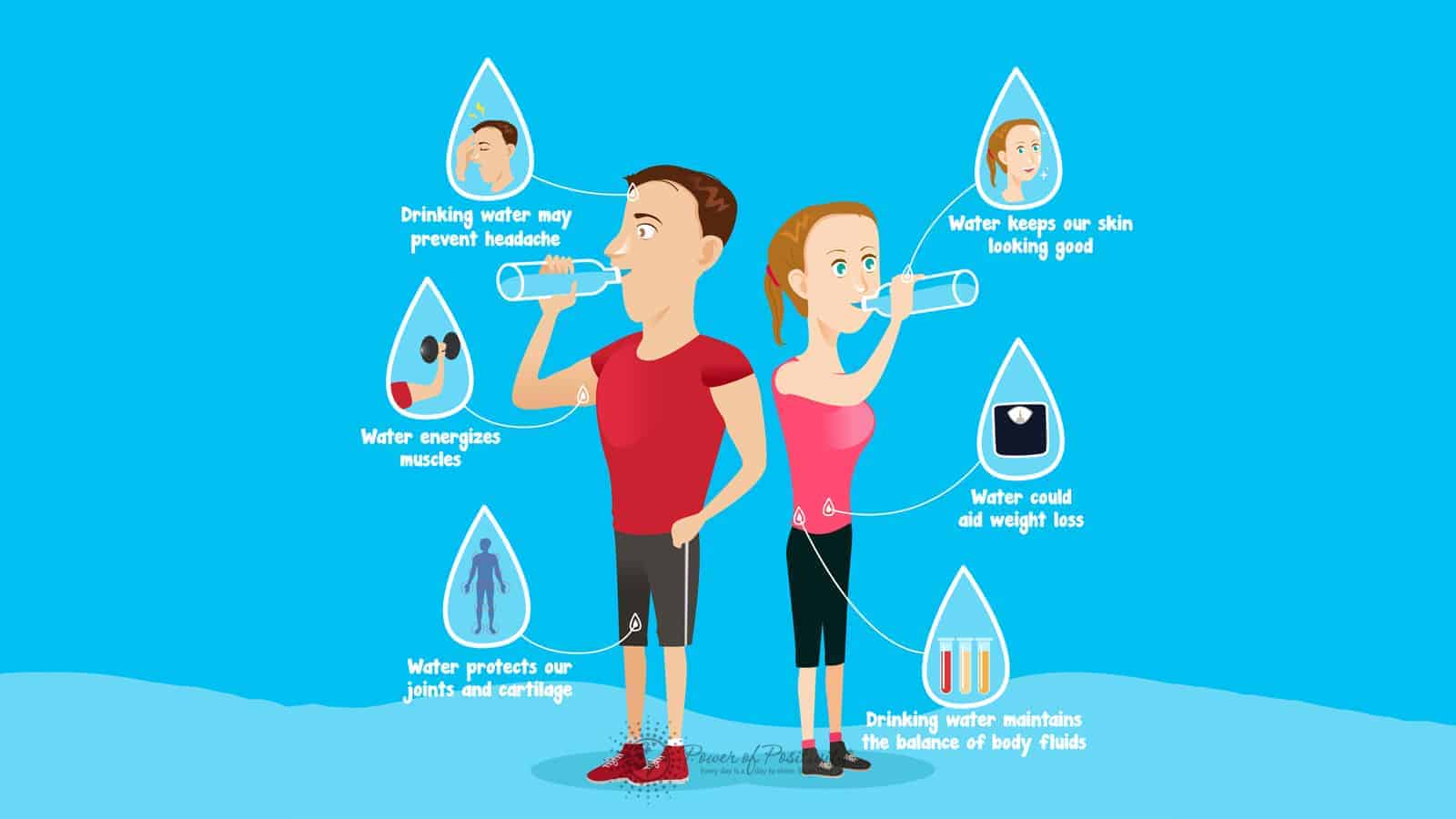
So, you’re a bottled water devotee. You grab that plastic or glass companion every single day. Let’s talk about what’s actually happening inside your body—and your life.
First, the good news: you’re hydrated. That’s a win. Your skin likely glows, your brain works, and your kidneys send you a thank-you note in the form of clear pee.
But here’s a fun curveball. That bottle you love? It may be older than you think. Most bottled water is just tap water—filtered, sold back to you. A 2018 study found that 64% of bottled water is actually reprocessed municipal tap water.
Must Read
You’re paying a premium for fancy packaging. That’s like buying a gold-plated sandwich. It still tastes like bread.
The Plastic Problem in Your Body
Plastic bottles shed tiny particles called microplastics. A single liter of bottled water can contain 240,000 plastic fragments. Yes, you read that right: two hundred and forty thousand.
These microscopic shards can sneak into your bloodstream. They’ve been found in human lungs, livers, and even placentas. Wait, what? That’s right—you might be carrying a tiny cargo of water-bottle ghosts.
Does that mean you’ll grow a third arm? Probably not. Scientists are still studying long-term effects. But it’s a quirky reminder that convenience comes with invisible passengers.
Your Wallet Is Crying
Let’s talk money. That daily bottle costs you $1.50 on average. Do that for a year, and you’ve spent $547.50 on something that falls from the sky for free.
Compare that to tap water: roughly $0.004 per gallon. You could buy a one-way plane ticket with your bottled-water budget. Or a very nice, very durable reusable bottle.
Your bank account is not a fan of your habit. Neither is the planet. Plastic bottles take 450 years to decompose. Your great-great-great-grandchildren might find your 2024 water bottle at a dig site.
Your Teeth Might Get a Surprise
Many bottled waters have a pH that’s slightly acidic. Some are as low as 4.0—that’s like sipping soda. Tap water is usually neutral or slightly alkaline.
Over time, acidic water can erode your enamel. That pearly white smile? It might start looking a little weary. You’re basically paying to soften your teeth.
Don’t panic, though. Your saliva buffers acid fast. But for daily hydration, tap water is actually better for your dental armor.
The “Added Minerals” Myth
Bottled water companies love to brag about added minerals. Potassium, magnesium, calcium—sounds healthy, right? In reality, the amounts are often tiny. You’d get more calcium from a single bite of cheese.
Plus, some brands add minerals for flavor, not health. It’s like putting a single sprinkle of fairy dust on a cracker. Cute, but not life-changing.
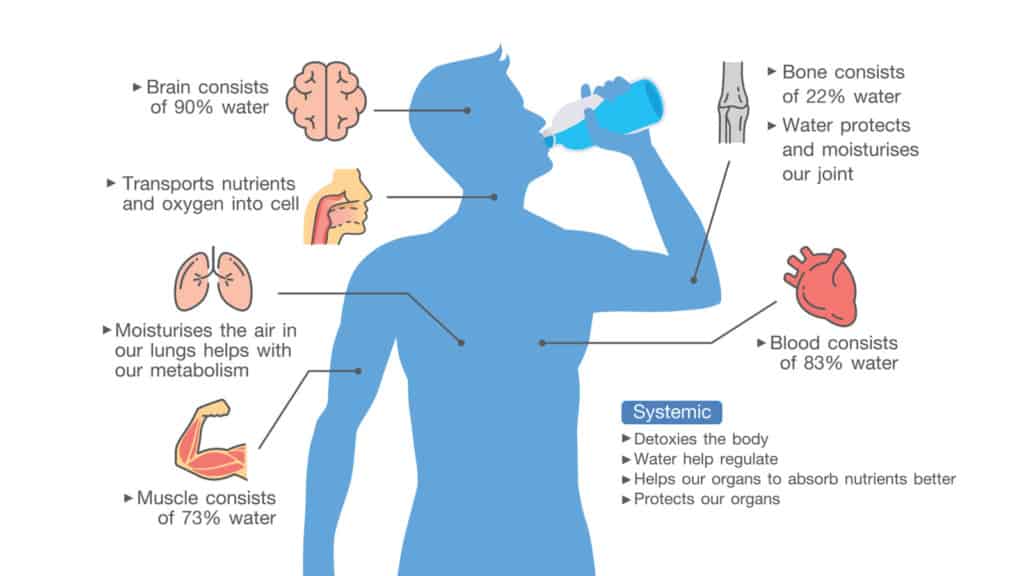 Scientists Explain What Happens to Your Body When You Drink Water Every
Your body is already a mineral-processing genius. It can pull what it needs from real food. That bottle is just fancy tap water with marketing.
Your Gut Might Get a Little Weird
Bottled water is not sterile. It can harbor bacteria if stored improperly. Left in a hot car? The plastic can leach bisphenol A (BPA) or similar compounds.
BPA is a hormone disruptor. It mimics estrogen in the body. That’s not a party you want in your endocrine system. The effects are subtle—like mood shifts, lower sperm count, or weird cravings.
Most modern bottles are “BPA-free,” but replacements like BPS might have similar quirks. Science is still unraveling the mystery. Meanwhile, your gut just wants a clean, simple drink.
The Fun Truth: You’re a Soft Drink Snob
Here’s the hilarious twist. You probably don’t actually enjoy the taste of botted water. Blind taste tests consistently show people can’t tell the difference between tap and name-brand bottled water.
But you’ve been trained by ads and labels. That sleek bottle feels premium. It’s a status symbol—like wearing a watch that can’t tell time but costs $500.
You’re paying for the experience, not the liquid. And that’s okay! We all have our quirks. Just know you’re sipping on psychology as much as H2O.
What About Glass Bottles?
You might think glass is the savior. It is less likely to leach chemicals. But glass is heavy and breakable—and it still often contains microplastics from the manufacturing process or the cap.
A 2021 study found microplastics in some glass-bottled waters too. There’s no escape—unless you filter your own tap water at home. That’s the ultimate hack.
Glass bottles are better for the planet, though. They can be reused endlessly. So if you’re a glass fan, keep it up—just don’t expect purity perfection.
The Bottom Line (But Not Preachy)
Drinking bottled water every day won’t instantly ruin you. Your body adapts. But you’re also spinning a roulette wheel of microplastics, chemicals, and wallet drain.
The funniest part? Your tap water is probably perfectly safe. In most developed countries, it’s tested more frequently than bottled water. Yes, really. The EPA regulates tap; the FDA regulates bottled. Guess which one has stricter rules?
So next time you reach for that bottle, pause. Imagine the plastic ghost ancestors you’re inviting to the cellular party. Then laugh, take a sip, and maybe consider a refillable cup. Curiosity tastes better than any label.
