What Should My Water Softener Hardness Be Set At

So, you’ve got a water softener. Congrats! You’re now the proud owner of a magical appliance that turns hard, angry water into something silky and kind. But there’s a little d...
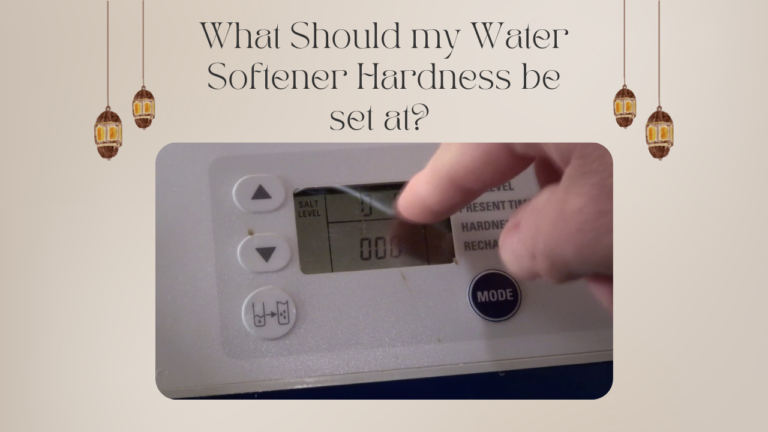
So, you’ve got a water softener. Congrats! You’re now the proud owner of a magical appliance that turns hard, angry water into something silky and kind. But there’s a little dial on it, right? It wants a number. A hardness setting. And it’s staring at you, waiting. Don’t panic. We’re about to decode this mystery together.
First, Let’s Talk About Why This Even Matters
Setting your softener wrong is like seasoning a steak with a sugar shaker. Too low, and your water stays hard. Your dishes get spots. Your skin feels like sandpaper. Too high, and you waste salt. You waste money. Your water gets weirdly slippery, like an eel in a bathtub. The sweet spot is everything.
What Is Hardness, Anyway?
Hardness is just a fancy word for calcium and magnesium hogging your water. These minerals love to cling to pipes. They form crusty, white scabs on your faucets. Gross, but true. Your softener swaps those minerals for sodium. It’s a mineral heist, and you’re the mastermind. The hardness number tells your machine how many criminals (minerals) it needs to kick out.
Must Read
The Big Question: What Number Do I Pick?
First, grab a water test kit. Your city might have hard water, but your specific house could be a rebel. Test the tap. Not the fridge. Not the hose. The kitchen sink. If you skip this step, you’re flying blind, like a pilot without a map. Your reading might be 10 grains per gallon or 30. Every house is a unique snowflake.
But wait! There’s a twist. Iron is a sneaky villain. If your water has iron (that rusty smell or orange stains), you need to adjust. Add 5 to the hardness number for every 1 part per million of iron. So, if your water is 15 grains hard and has 2 ppm of iron, set it to 25. Boom. Math for heroes.
The “Just Right” Goldilocks Zone
Most homes land between 15 and 30 grains per gallon. That’s the happy hunting ground. But what if your test says 5? That’s almost luxury water. Your softener might need a setting of 8 (with a little buffer). Don’t over-soften. It leads to that bizarre “slippery soap” feeling where you can’t rinse clean. It’s like washing with a greasy ghost.
Quirky Facts to Impress Your Friends
Did you know the Romans built entire aqueducts because hard water destroyed their pipes? They had plumbers, too, but no softeners. They just accepted the crust. Also, the hardness “grains” you measure? That’s a unit from medieval times. Merchants used to weigh barley grains. Now you’re using barley math to make your shower feel amazing. History is weird. You’re a time traveler with a salt tank.
Here’s another one: water softeners can actually make your soap last longer. Hard water fights soap, creating that gummy scum. Soft water lets soap do its job. You’ll use less soap. Your clothes will live longer. Your washing machine might even send you a thank-you note. Okay, no, but it’s true.
Common Mistakes to Avoid (Because We All Make Them)
Fatal error number one: Trusting the default setting. Many softeners ship set to 20 grains. Your water might be 12. Or 40. The factory doesn’t know your pipes. It’s like buying shoes without knowing your size. Your feet (and water) will suffer. Adjust it. You’re the boss.
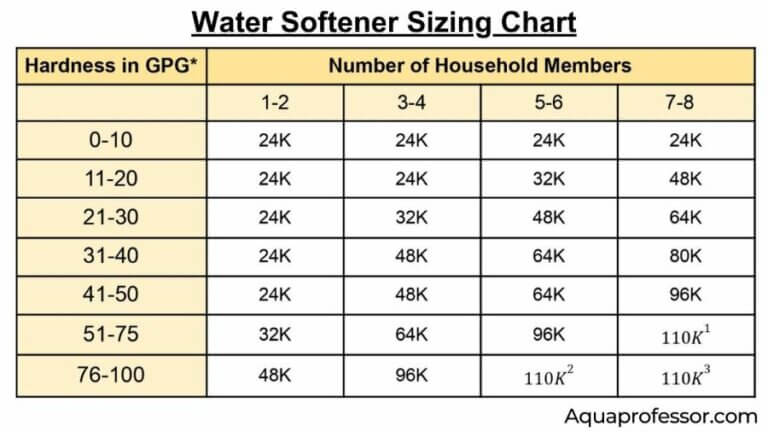 Water Softener Grain Chart & Calculator: Ultimate Cheatsheet
Fatal error number two: Forgetting to retest after a well change or a big storm. Groundwater shifts. One week you’re fine, the next your water tastes like a penny. Test twice a year. Spring and fall. It’s a mini ritual. Light a candle if you want. Make it dramatic.
The “Set It and Forget It” Myth
You can’t just set it once and vanish into the wilderness. Softeners have a brain (a little computer). But they’re dumb computers. They need data. You are the data feeder. If you ignore it, they get confused. They regenerate too much or too little. Then you’re paying for salt trucks instead of salt bags. Donate that extra cash to your coffee fund.
How to Tweak It Like a Pro
Start with your test number. Add 1 or 2 extra grains for safety. This is called a “buffer.” It accounts for fluctuations. But don’t add 10. Except if you have iron, as we discussed. Use the manual. Yes, the dusty booklet. Every brand is a little different. Some want grains per gallon, some want parts per million. If you mix them up, your water turns into a science experiment gone wrong.
If you’re still scared, call the manufacturer. They love talking about hardness. It’s their passion. They literally dream about sodium and resin beads. You’ll get friendly advice. Probably no judgment. Probably.
The Final, Fun Truth
Setting your water softener is not brain surgery. It’s a tiny knob. A number. You can do this. Test your water. Do the iron math. Add a buffer. Then enjoy the glorious, spot-free glasses. The soft skin. The shiny hair. Your water will sing to you. Okay, not really. But it will be silent. And clean. And that’s the best kind of song.
So go ahead. Twist that dial. You’ve got this. Your water is begging for its perfect number. Give it the gift of just-right hardness. Your pipes will thank you. Your morning shower will thank you. And the Roman plumbers in the afterlife will nod in approval.
