How Do You Treat Coliform Bacteria In Well Water

So, you tested your well water and got the news: coliform bacteria showed up. Ugh. It’s like finding out your favorite coffee mug has a tiny crack you can’t unsee. Don’t panic...
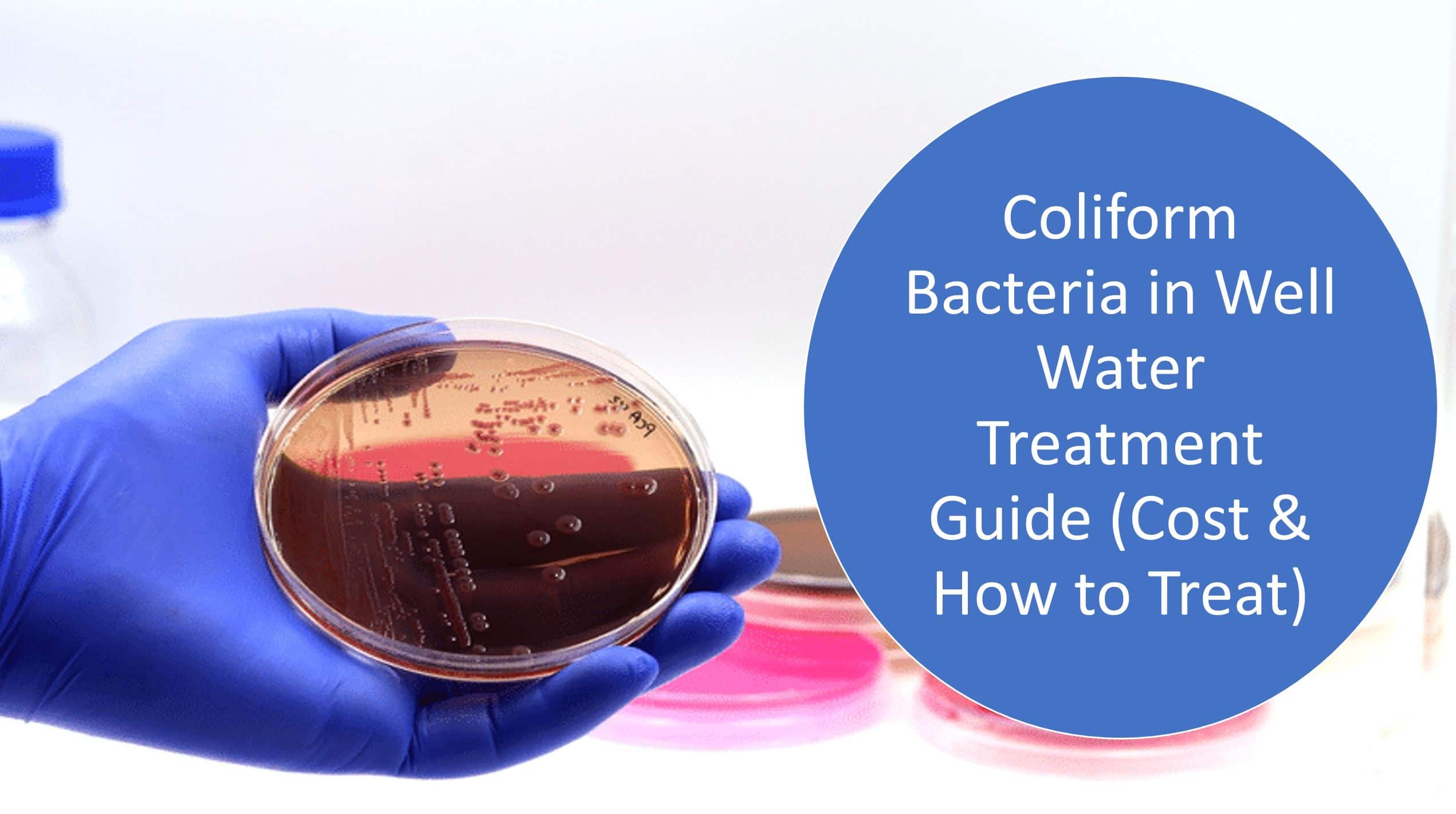
So, you tested your well water and got the news: coliform bacteria showed up. Ugh. It’s like finding out your favorite coffee mug has a tiny crack you can’t unsee. Don’t panic, though. This is super common, and we’re going to fix it together, like two friends troubleshooting a leaky faucet.
First, let’s clear up what we’re dealing with. Coliform bacteria are basically tiny hitchhikers in the soil. They’re usually harmless themselves, but their presence is a big red flag. It means your well might have a crack, a leak, or some other way for surface crud to sneak in. Think of them as the messengers that say, “Hey, your water’s defenses are down!”
But wait—there’s a scary cousin: E. coli. If you tested positive for that, we’re not chatting over coffee anymore; we’re on a rescue mission. E. coli comes from poop—animal or human—and you need to treat that water immediately. Boil it before drinking, and call a pro if you’re not sure what to do next. For now, let’s assume you just have total coliforms and no E. coli. That’s manageable. Phew.
Must Read
Okay, so how do you kick them out?
You have options. The most common and dramatic fix is shock chlorination. It sounds like a punk band name, but it’s just dumping a strong chlorine bleach solution down your well. Think of it as a spa day that kills everything in sight. You pour in the bleach, let it sit for 12 to 24 hours, then flush the system like crazy until the chlorine smell is gone. It’s noisy, messy, and requires patience—but it works like a charm for a one-time issue.
Before you start, read the label on your bleach bottle. You want plain, unscented bleach with no additives like thickeners or scents. The kind you’d use on laundry stains, not the fancy lemon-fresh stuff. Pour it down the well casing, not the pump. Then run every tap in the house until you smell bleach. Let it sit overnight. In the morning, flush every faucet, hose, and toilet until the water runs clear and odor-free. It’s like a deep clean for your plumbing. Satisfying, honestly.
But what if they come back?
That’s the real question, isn’t it? If coliform bacteria return after a shock treatment, you’ve got a chronic issue. You’re not just hosting a party; you’ve got a revolving door. That means you need a permanent solution. Two biggies here: a UV light system or a chlorinator. A UV light zaps bacteria as water flows past—no chemicals, no taste. It’s like a tanning bed for germs, but way less fun for them. A chlorinator adds a tiny, steady dose of bleach to keep everything sanitized. Both are great, but UV needs clear water to work (no cloudiness), and chlorinators need regular refills. Pick your poison—or your non-poison, really.
Also, check your well cap and casing. Seriously, go outside and look at it. Is the cap cracked? Is the ground sloping toward the well? Fixing a physical breach is the cheapest cure. Sometimes it’s as simple as sealing a gap with a $5 tube of silicone. If you see standing water near the well, that’s a huge invitation for bacteria. Drain it, fix the grading, and thank your lucky stars you caught it early.
 How to Treat Coliform Bacteria in Well Water
What about testing?
You should test your water at least once a year for coliform bacteria. It’s like a checkup for your well—boring, but non-negotiable. After any treatment, wait a week, then test again. If the coliforms are gone, you’re golden. If not, you’ve got a deeper problem, like a bad pump seal or a cracked liner. Call a well driller. They have snake cameras and stuff. It’s actually kind of cool to watch them work.
One more thing: never ignore a positive test, even if you feel fine. Bacteria can change. Your “harmless” coliforms might set up a welcome mat for nastier bugs like giardia. That’s a parasite that’ll make you wish you’d taken this article more seriously. Trust me—I’ve had it. Not fun. One minute you’re sipping water, the next you’re hugging a toilet like it’s a long-lost friend.
Quick cheat sheet for the lazy among us
Shocked the well? Good. Test again. Still positive? Install a UV system or a chlorinator. Can’t afford that? Boil your water for now—it’s free, just annoying. Also, remember that treatment takes time. A shock sometimes needs two rounds. Don’t give up after the first try. Like most things in life, water treatment is about persistence and a little bit of stubborn hope.
And hey, if you’re overwhelmed, hire a pro. It’s worth the money to have someone say, “Yep, that’s fixed.” They’ll test, treat, and re-test for you. You just pay and sleep better at night. No shame in that game. I’ve done it. I’d rather spend my Saturday binge-watching shows than wrestling with bleach buckets and garden hoses. Wouldn’t you?
So, bottom line: coliforms in your well water? Annoying but fixable. Start with a shock. If that fails, get a permanent system. Check your well’s hardware. Test regularly. And don’t drink the water until it’s clear. Simple as that. Now go pour yourself a glass of something safe—like a store-bought bottle, just for tonight. You’ve earned it.
