Water Softener Regeneration Process Step By Step

Ever wonder what happens inside that unassuming water softener tank while you sleep? It’s not just sitting there, you know. It’s secretly rebooting itself, like a superhero af...
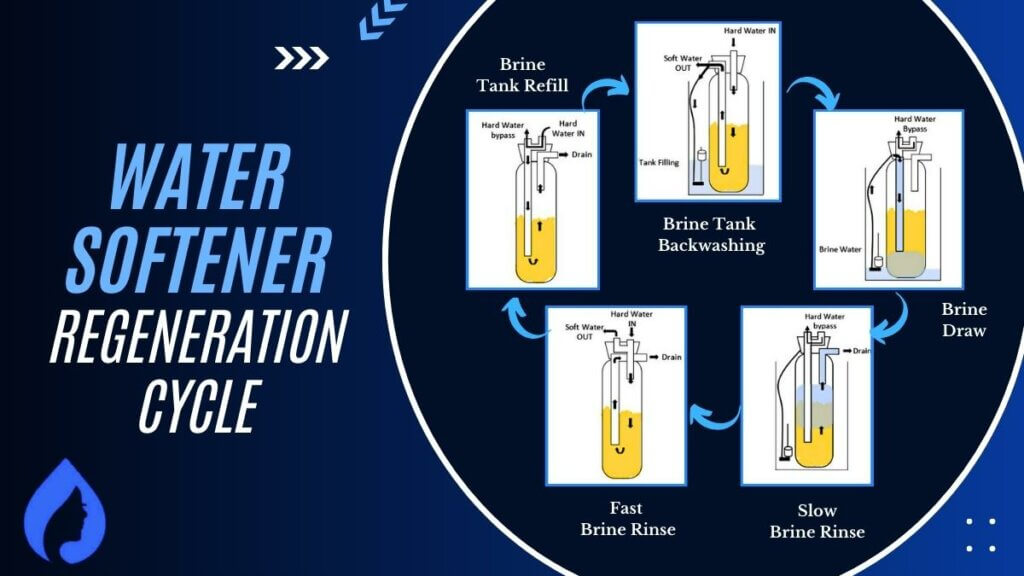
Ever wonder what happens inside that unassuming water softener tank while you sleep? It’s not just sitting there, you know. It’s secretly rebooting itself, like a superhero after a long day of fighting hard water villains.
I’m talking, of course, about regeneration—the magical process that keeps your shower squeaky-clean and your dishes spotless. And guess what? It’s actually kind of fun to understand.
Imagine your water softener as a tiny, loyal robot with a salt-based superpower. When it works, it captures calcium and magnesium (those pesky minerals that ruin your hair and glassware) by swapping them for sodium ions. Eventually, the robot gets full and needs a drastic flush to recharge.
Must Read
That’s where regeneration steps in. Let’s walk through the four stages, shall we? Grab a cup of coffee (made with soft water, naturally) and follow along.
Step One: The Backwash
First, your system does a reverse flush. Normally, water flows down through the resin beads, but now it shoots upward with a vengeance. This action stirs up any trapped dirt, rust, or debris that’s built up over the week.
Think of it as your softener shaking itself off like a wet dog. All that gunk gets kicked out the drain, leaving the beads pristine and ready for action. It’s a mini-spring cleaning, and it only takes about ten minutes.
Step Two: The Brine Draw
Now for the star of the show: the salt. Your softener has a brine tank full of salt pellets (or potassium, if you’re fancy). During this stage, a valve sucks that salty water into the resin tank like a thirsty straw.
The brine is incredibly concentrated, so it literally overpowers the calcium and magnesium clinging to the beads. Those minerals get knocked off, and fresh sodium ions take their place. It’s like a chemical tug-of-war, and salt always wins.
Fun fact: this is why you need to keep your salt bin full. A lazy softener can’t regenerate properly, and your hair will start feeling like straw again. Nobody wants that.
Step Three: The Slow Rinse
Once the brine has done its job, the system needs to flush away the spent minerals and leftover salt. This is a gentle, steady rinse that pushes everything out to the drain. Picture a slow, soothing river washing over the beads.
During this stage, the water softener is also re-compacting the resin bed. That way, the beads settle into a tight, efficient layer for the next cycle. It’s like tucking them in for a nap before their next big job.
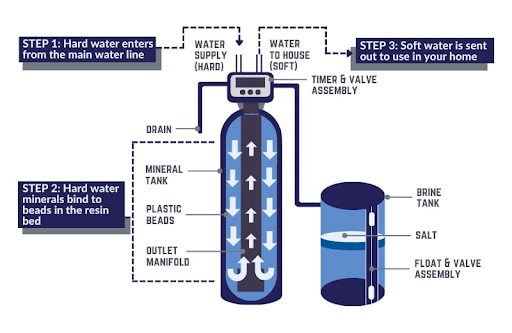 Can I Use Water While a Water Softener is Regenerating?
This step takes about fifteen minutes, and it’s when the magic really sets. The beads are now clean, charged, and hungry for more hard water to soften.
Step Four: The Fast Rinse and Refill
Finally, the system does a fast flush to make sure no stray brine or mineral grit is left behind. Water rushes through at full speed, clearing out any last traces. Then, the brine tank refills with fresh water and more salt dissolves for the next cycle.
Your softener is now fully regenerated and ready to protect your pipes, your laundry, and your skin. It’s like watching a tortoise win a race—slow, steady, and totally triumphant.
And here’s the kicker: the whole process happens automatically, usually in the middle of the night. You never have to lift a finger. Your water softener is basically a butler working while you dream about fluffy towels.
Why This Should Make You Smile
Understanding regeneration makes your daily life feel a little more awesome. That soft water in your morning shower? It’s the result of a tiny, four-act drama that ended in victory. Your soap lathers better, your skin feels silkier, and your coffee maker never gets that chalky film again.
Plus, you can now explain to your friends why your water tastes sweeter—and watch their eyes light up when you say “brine draw” with a knowing grin. You’ll be the coolest person at the dinner party.
So next time you hear that softener gurgle at 2 a.m., give it a little nod of respect. It’s not just making noise; it’s waging a silent, delightful war against hard water one regeneration at a time.
Now go check your salt level, fill that bin, and let the robot do the rest. Life’s too short for scratchy towels and cloudy glasses—and you’ve just become the expert who makes them sparkle. Cheers to that.
