Reverse Osmosis Drinking Water Filtration System

Picture this: you’re standing in your kitchen, pouring a tall glass of tap water. It looks clear, but what’s really in there? Chlorine, lead, pesticides, maybe even microplast...
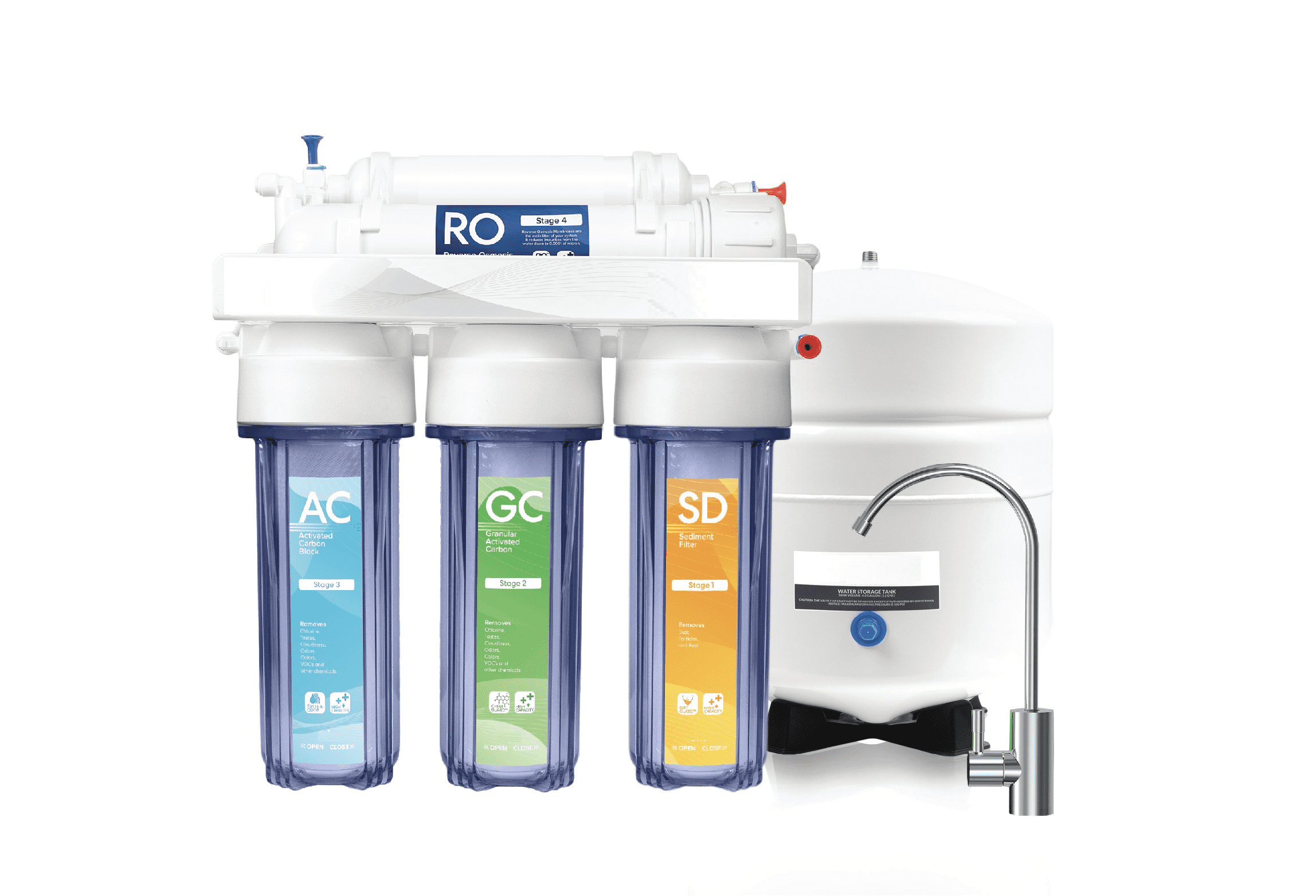
Picture this: you’re standing in your kitchen, pouring a tall glass of tap water. It looks clear, but what’s really in there? Chlorine, lead, pesticides, maybe even microplastics—the uninvited guests that crash every party. That’s where a Reverse Osmosis (RO) drinking water filtration system steps in, like a bouncer with a science degree. It doesn’t just filter your water; it reinvents it, turning the ordinary into the extraordinary.
Let’s get the geeky part out of the way—but make it fun. RO works by forcing water through a semi-permeable membrane that’s so tight, only water molecules can squeeze through. Imagine a VIP club where everything except H₂O gets turned away at the door. That’s your RO system: the ultimate gatekeeper, blocking contaminants down to a size of 0.0001 microns. To put that in perspective, a human hair is about 70 microns wide. So yeah, we’re talking microscopic-level snobbery.
Fun fact alert: Reverse Osmosis was originally developed for desalinating seawater in the 1950s, turning ocean brine into drinking water for sailors. Today, it’s the same tech used by NASA to recycle astronaut pee into pure water—yes, the “space coffee” you’ve heard about. But don’t worry, your RO system won’t judge your midnight snack choices. It’ll just make that tap water taste like it came from a mountain spring in the Alps.
Must Read
Now, let’s talk taste. You know that “gym-bottle-after-a-week” flavor tap water sometimes has? That’s chlorine and dissolved minerals doing a weird tango. RO strips away up to 99% of dissolved solids, including sodium, fluoride, and heavy metals. The result? Water so clean, it’s almost crisp—like biting into a perfect apple. Your morning coffee will stop tasting like “tap water with a guilty conscience” and start tasting like actual coffee.
But Is It a Hassle? (Spoiler: Not Really)
Yes, you’ve heard the whispers: “RO systems waste water.” Here’s the reality check. Old-school models did guzzle gallons—like a thirsty teenager. But modern systems are smart and efficient, using technologies like permeate pumps to reduce waste by up to 80%. Many now recycle reject water into your garden or toilet tank. So unless you’re watering a desert, we’re fine.
Installation? You don’t need a plumbing degree. Most under-sink RO kits come with a color-coded set of tubes and a “step-by-step for dummies” YouTube video. Expect two hours tops—unless your dog decides to “help.” Monthly maintenance is just swapping a few filters, which takes less time than scrolling through your social media feed. Think of it as a zen kitchen ritual.
Pop culture moment: Remember that scene in Breaking Bad where Walt and Jesse cook in a lab? That’s basically your countertop RO unit—only instead of blue meth, you’re making pristine H₂O. No hazmat suit required. Just a glass and a thirst for better hydration.
Practical Tips for the RO Curious
Tip #1: Test your water first. Before buying, grab a simple test kit from Amazon or a hardware store. If your water has high total dissolved solids (TDS)—that’s science-speak for “mineral gunk”—an RO is a game-changer. If you live in a area with naturally low TDS (like Portland), you might just need a basic carbon filter. Know your enemy.
Tip #2: Mind the minerals. RO strips everything, including good minerals like calcium and magnesium. Some systems add a remineralizing filter at the end, giving you that “spring water” zing. If you don’t get one, no panic—your diet covers those minerals. But pour that RO water over a fancy single-origin espresso, and you’ll taste the difference instantly.
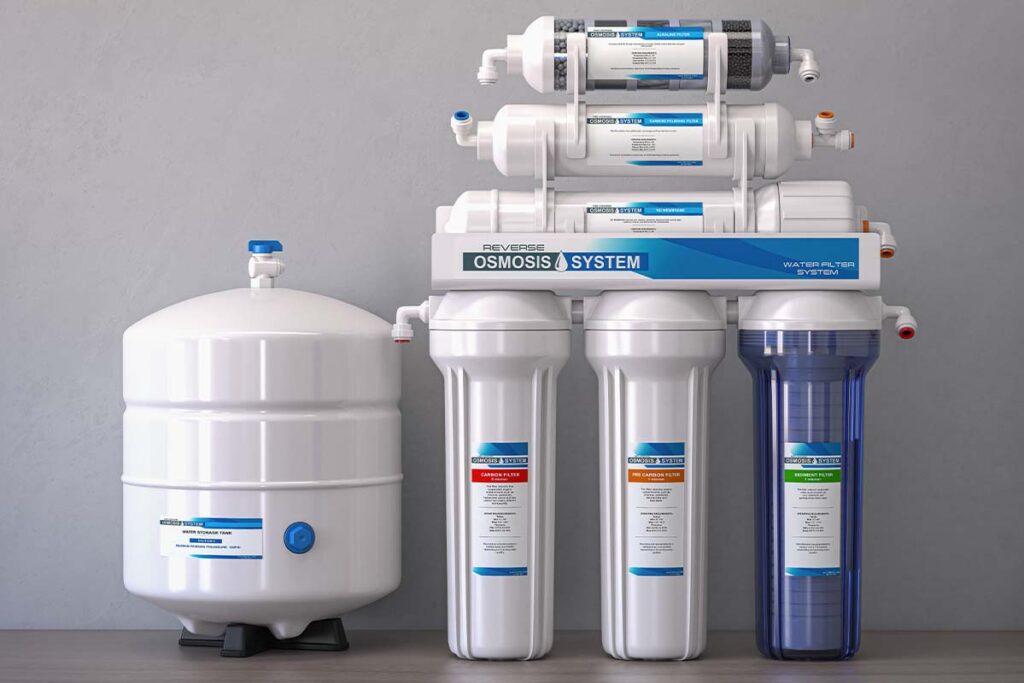 Drinking Water Filter System ProSeries 5 Stage Reverse Osmosis System
Tip #3: Go tankless if you hate clutter. Traditional RO systems have a storage tank that looks like a small keg. Tankless models are slim, sleek, and mount under your sink like a futuristic pod. They also save counter space—hello, more room for your succulents. Plus, they deliver water on demand, so no “waiting for the tank to refill” drama.
One more fun fact: RO water has a slightly lower pH (around 6.0-6.5) because it lacks alkaline minerals. Some folks worry it’s “acidic” but don’t sweat it—your stomach acid is way stronger. If you’re a kombucha brewer or tea snob, though, that lower pH can actually make your brews taste cleaner. Science for the win.
Why Your Plastic Bottles Should Be Jealous
Here’s the culture shift: you might have bought bottled water for years because tap “seemed off.” An RO system kills that habit stone dead. The EPA says tap is regulated, but your pipes aren’t. Lead, copper, or even bacteria from a leaky boiler can sneak in. RO gives you that “bottled” quality without the guilt of 1,000 plastic bottles a year. Mother Earth applause.
Social media has made RO sexy again. Check #watertok on TikTok—people are adding electrolyte drops, fruit slices, and even edible glitter to their RO water. It’s the new “hydrated aesthetic.” Your kitchen becomes a hydration studio. And no, you’re not a bougie health influencer; you’re just someone who values water that doesn’t taste like a swimming pool.
Cultural touchstone: In Tokyo, where tap is already excellent, many households still install RO systems for the “omotenashi”—the Japanese spirit of perfection. It’s not about need; it’s about ritual. RO water, served ice-cold in a hand-blown glass, feels like a quiet luxury. You’re upgrading your daily pour, one glass at a time.
The Short Reflection
So, there you are, glass in hand. The ice cubes clink, and you take a sip. It’s not water—it’s clarity. The taste of nothing, but in a good way. That glass represents a tiny rebellion against mediocrity, a curated choice in a world of plastic bottles and city pipes. It says: “I deserve clean, and I’m willing to spend ten minutes a month making it happen.” That’s not just hydration; it’s a declaration of self-respect.
Tomorrow morning, when you brew that first coffee, listen for the soft hum of your RO system under the sink. It’s not a machine—it’s a promise. That every drop you drink has been given a second chance at purity. And in a world that’s messy, chaotic, and full of contaminants (both literal and metaphorical), a little bit of filtered quiet is exactly what we need. Cheers.
