Tac Anti-scale System For Tankless Water Heaters

So picture this: It’s a Tuesday morning, and you’re already running late. You jump in the shower, expecting that glorious, endless blast of hot water from your brand-new tankl...
So picture this: It’s a Tuesday morning, and you’re already running late. You jump in the shower, expecting that glorious, endless blast of hot water from your brand-new tankless heater. Instead, you get a weak, sputtering drizzle that feels like a cold water pistol fight—with you losing.
Welcome to the world of hard water scale. That white, crusty nightmare isn’t just a nuisance; it’s a silent killer for tankless systems. And trust me, I’ve been that guy, shivering and Googling “why is my hot water weak” at 6:45 AM.
The culprit? Mineral buildup inside your heat exchanger—think of it like cholesterol for your water heater. Over time, calcium and magnesium from your tap water bake onto the internal pipes, choking off flow and efficiency.
Must Read
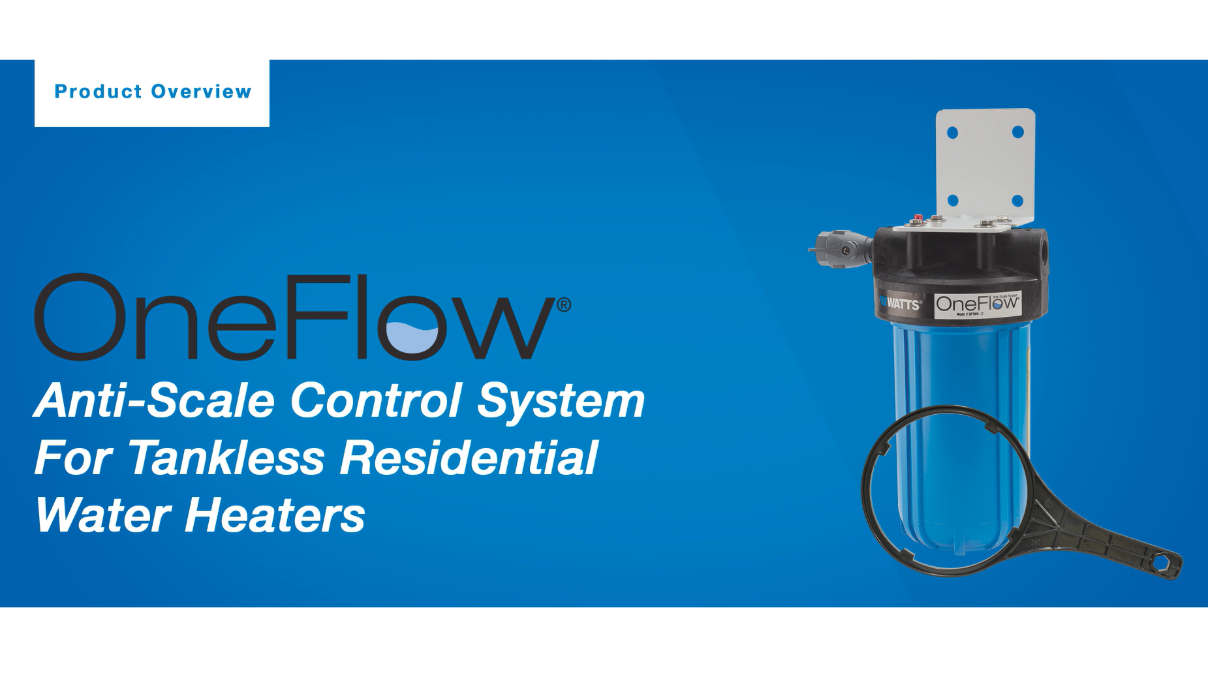
But here’s where the Tac Anti-Scale System struts in like a superhero in a science lab coat. It’s not a water softener (you’ll see why that matters), and it doesn’t use salt. Instead, it uses a template-assisted crystallization (TAC) process to change the shape of those hard minerals.
Basically, it turns dissolved calcium into microscopic, non-sticky crystals that flow right out of your heater. No crust, no clog, no cold-shower surprise. It’s almost like magic, except it’s physics and chemistry—which is basically magic with equations, right?
Why Your Tankless Heater Hates Hard Water (And Why You Should, Too)
Let’s get real for a second: Tankless water heaters are amazing. They give you unlimited hot water, save space, and cut energy bills. But they are hypersensitive to scale because they force water through tiny, high-temp coils.
A tankless system heats water on demand, often to 120°F or more. That heat causes minerals to precipitate out of solution and stick to the metal. One study found that just 1/16 inch of scale can reduce heater efficiency by 20% to 30%. Your wallet feels that.
You might think, “I’ll just descale it with vinegar every year.” Yeah? Good luck. That’s like cleaning your oven once a year but expecting it to never smoke. Scale buildup is relentless, and manual descaling is a messy, time-consuming chore you’ll avoid until you have to do it.
How TAC Actually Works (Without the Boring Lab Drama)
So the Tac Anti-Scale System is a simple cartridge that you install on your main water line, right before the heater. Inside, it’s packed with a special nucleation media—tiny beads that act like magnets for mineral ions.
Here’s the kicker: It doesn’t remove the minerals. Instead, it converts them from a sticky, plaque-forming form (calcium carbonate) into a harmless, non-adherent form (aragonite crystals). Those crystals are so small they pass right through your pipes and out the tap.
Think of it like this: Regular scale is like wet cement that hardens on your driveway. TAC turns that cement into dry sand that just blows away. You still have hard water—you’re just neutralizing its destructive anger.
 How to Install Your OFTWH-C, OneFlow Tankless Water Heater Salt-Free
The Big Sell: No Salt, No Electricity, No Hassle
This is what got me hooked. Traditional water softeners require bags of salt, periodic regeneration cycles, and they dump brine into the environment. Tac systems are chemical-free and need zero power. They’re basically a passive filter that lasts for about three to six years (depending on water usage).
And the installation? If you can use a wrench and a pipe cutter, you can do it yourself in under an hour. No calling a plumber, no risking a flooded basement. It’s the kind of DIY project that makes you feel like a home-repair genius. (Note: I am not a genius, and I still succeeded.)
But here’s the ironic twist: Many people buy Tac systems thinking they’ll solve all water problems. They won’t cool your coffee or wash your car. They’re a targeted weapon against scale in your tankless heater—and that’s it. Don’t expect them to soften your water for soap lather.
Is Tac Right for Your Home? The Honest Truth
If you have a gas or electric tankless water heater and live in an area with moderately hard water (7+ grains per gallon), this is basically insurance. Without it, you’re gambling on reduced lifespan and rising energy bills. With it, you’re buying peace of mind for about $150 to $300 upfront.
But if your water is extremely hard (over 20 grains per gallon), TAC might struggle. Those stubborn minerals can overwhelm the nucleation media, leading to breakthrough scale. In that case, a traditional softener might be your better (though saltier) option. Sorry to burst your eco-bubble.
Also, don’t confuse Tac with a “filter.” It doesn’t remove chlorine, sediment, or bad taste. It’s a one-trick pony: scale control. And that’s fine, because that trick is exactly what your tankless heater needs to survive.
The Final Warm Shower
I installed my Tac Anti-Scale System last spring. A year later, I pulled the heater’s drain valve to check for buildup. The internal heat exchanger looked pristine—like it was still in the box. Meanwhile, my neighbor who skipped it is already on his second heater in five years.
So if you want to stop waking up to cold dribbles and start trusting your endless hot water promise, give TAC a look. It’s not glamorous. It’s a little plastic cylinder that sits in your basement doing its job silently. But honestly? That’s the kind of low-drama hero I can get behind.
Now go take a long, hot shower. You’ve earned it.
