Multi-stage Deionized Water Purification Systems

Let’s be honest: most of us don’t spend a lot of time thinking about the water coming out of our faucet. We turn it on, fill a glass, and hope it doesn’t taste like a swimming...
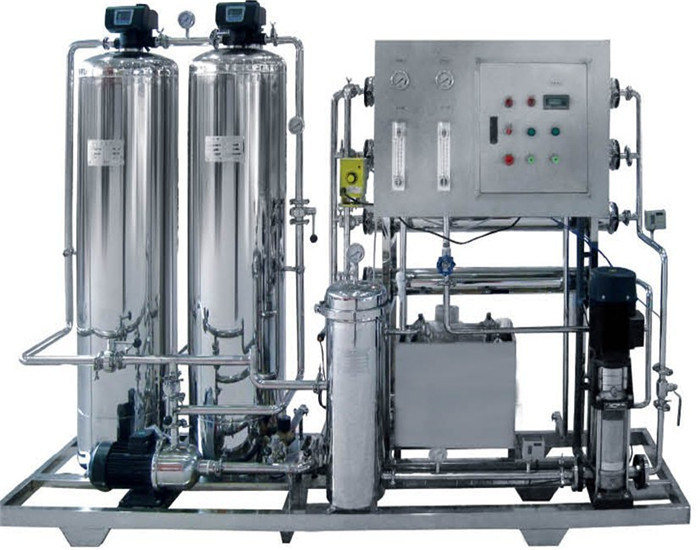
Let’s be honest: most of us don’t spend a lot of time thinking about the water coming out of our faucet. We turn it on, fill a glass, and hope it doesn’t taste like a swimming pool. But have you ever noticed that weird film on your tea or that chalky white stuff in your coffee pot? That, my friend, is the call of the wild—or rather, the call of dissolved minerals.
So, what’s the big deal about "DI" water?
Imagine your tap water is like a busy city bus. It’s packed with passengers—minerals like calcium, magnesium, and even some less-friendly characters like chlorine and lead. A Multi-stage Deionized Water Purification System is like a very strict bouncer at a club. It kicks out all those charged particles (ions), leaving you with nothing but pure, stripped-down H2O.
This isn’t just about being fancy. It’s about giving your appliances and your body a break from all that "bus traffic." Think of it as a spa day for your drinking water, but way more scientific.
Must Read
The First Stage: The Pre-Party Filter
Before the bouncer gets to work, water usually hits a pre-filter. This is like the nice host who takes your coat. It catches the big stuff—rust flakes, sand, and any other "floaty bits" that might have snuck into the pipes.
This stage isn’t glamorous, but it’s crucial. If you sent muddy water to the fancy deionization stage, you'd just clog it up. It’s the same reason you wipe your shoes on the mat before walking into a clean house.
The Star of the Show: The Deionization Chamber
Now we get to the magic. Inside the system, water passes through special resin beads. These beads are like tiny, super-charged magnets. One type of bead grabs hold of positive ions like calcium, while another snatches up negative ions like chlorine. They swap them for hydrogen and hydroxide, which instantly join to form more water.
The result? Water so pure that it’s almost "hungry." It’s so clean that it wants to soak up minerals from the air or the glass it’s sitting in. It’s a little bit of a water drama queen, but in the best possible way.
Why should you actually care?
Let’s talk about your coffee pot. You know that cloudy, greasy-looking film that builds up over time? That’s limescale from hard water. A deionized system removes those minerals, meaning your coffee maker stays sparkling clean and your morning brew tastes smoother—like the difference between a fine wine and a cheap grape soda.
Or think about your steam iron. Tap water leaves white mineral deposits that can stain your favorite shirt right before a big meeting. With DI water, you get a perfectly clean steam that won’t sabotage your outfit.
And for the plant parents out there? Some houseplants are ridiculously picky. Your ferns and calatheas often hate the chlorine and salts in tap water. Give them DI water, and they’ll reward you with lush, green leaves that look like they’re living in a rainforest.
 11 Best Portable Deionized Water Systems for High Purity Water
The "Secret Weapon" for the Home Lab Nerd
If you know someone with a home aquarium, you know the struggle of fighting mysterious algae. Deionized water helps create a blank slate for them. It’s the perfect base so they can add back exactly what their fish need, without any random chemicals from the city supply.
Same goes for anyone who makes soap, mixes car detailing solutions, or likes to experiment with crystal growing kits. Pure water makes for predictable, beautiful results. It’s the boring superhero that does its job without any drama.
But wait—is it safe to drink?
This is the big question, and the answer is a warm, friendly yes. Many people drink deionized water every day. The concern some folks have is that it "leaches" minerals from your body. But here’s the funny truth: your body gets its minerals from the food you eat, not the water. If you’re eating a balanced diet with veggies, nuts, and the occasional slice of pizza, you’re totally fine.
In fact, some people find DI water tastes cleaner and more refreshing because there’s no chlorine or metallic aftertaste. It’s just water, doing what water does best: quenching your thirst without a flavor show.
Is it a hassle to set up?
Not at all. Most multi-stage systems are like a friendly kitchen gadget. You can get a simple countertop model or a system that hooks under your sink. They come with little cartridges that you swap out every few months—kind of like changing the filter in your fridge, but way more powerful.
The initial cost might make you blink once, but think of all the money you’ll save on bottled water, descaling solutions, and new appliances. It’s an investment in calm. No more scrubbing hard water stains off your shower door. No more bitter-tasting ice cubes.
The bottom line? Your water deserves an upgrade.
We spend so much money on fancy coffee, organic produce, and fluffy towels. Yet we often ignore the one thing that touches everything we eat and drink. A multi-stage deionized system isn’t just for scientists in lab coats. It’s for anyone who wants their iced tea to look crystal clear and their kettle to last forever.
So next time you pour a glass of water, imagine its journey. With a good system, it goes from a crowded bus ride to a peaceful, solo meditation in a quiet room. And honestly, isn’t that something we all could use a little more of?
