How Often Should You Change A Keurig Water Filter

Okay, let’s be real for a second. You bought a Keurig because you wanted fast, easy coffee without any of the fuss. But now there’s a water filter involved, and suddenly you’r...

Okay, let’s be real for a second. You bought a Keurig because you wanted fast, easy coffee without any of the fuss. But now there’s a water filter involved, and suddenly you’re wondering, “Um, how often am I supposed to change this thing?”
Don’t worry, you’re not alone. I once let my filter sit in there so long it probably started paying rent. Let’s sort this out together, and I promise—no boring manuals.
The Simple, No-Nonsense Answer
Here’s the golden rule: change your Keurig water filter every two months. Yes, that’s it. Mark it on your calendar, set a phone reminder, or tie a string around your finger (if you’re old-school like that).
Must Read
Why two months? Because after about 60 days, that little charcoal pouch has done its best work. It’s tired, it’s clogged, and it’s basically just pretending to filter stuff.
Some people try to stretch it to three months. I get it—you’re busy, you’re cheap, you’re in denial. But trust me, your taste buds will notice.
What Happens If You Forget?
Imagine you hire a bodyguard to keep out bad guys. But after two months, your bodyguard is asleep on the couch, eating your snacks, and letting all the riffraff waltz right in.
That’s your Keurig filter after two months. It stops trapping minerals, chlorine, and weird tap-water flavors. Your coffee starts tasting… meh. Or worse—like it’s judging you for not changing the filter.
You might also notice white, flaky buildup in your water reservoir. That’s called scale, and it’s the ghost of filters past. Spooky, but not in a fun Halloween way.
Signs Your Filter Is Crying for Help
Your coffee tastes flat or a little bitter? That’s a red flag. A fresh filter makes your brew taste clean and crisp, like mountain spring water (without having to hike anywhere).
Does your water have a slight tap-water smell? Chlorine is a bully, and an old filter can’t fight it. Time to swap.
And if you see sediment floating in your cup? Yikes. That’s your filter waving a white flag. Please, for the love of caffeine, change it.
But Wait—Does Every Keurig Even Have a Filter?
Good question! Not all Keurig models come with a filter holder. If your machine has a little round compartment inside the water reservoir, yes, you have a filter. If not? You’re off the hook—no filter, no problem.
Check your user manual or just peek inside. If you see a tiny plastic basket with a black pouch in it, that’s your filter. Don’t be scared. It’s friendly.
If you don’t have a filter, you can buy an aftermarket filter kit for about ten bucks. But honestly? If your tap water tastes okay, you’re fine without one. No filter shaming here.
How to Actually Change the Darn Thing
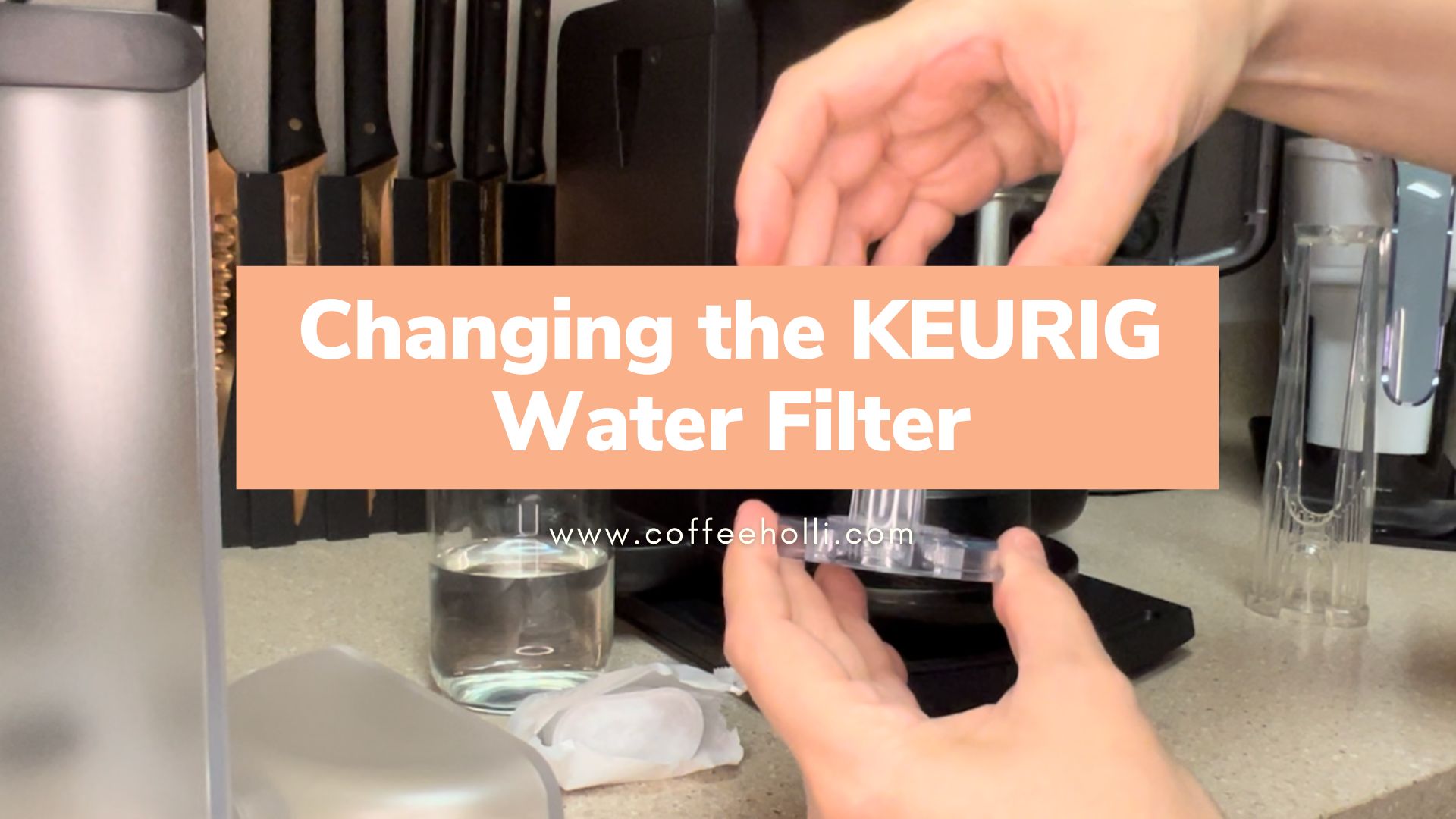
Step one: Don’t panic. This is easier than assembling IKEA furniture (and way less likely to end in tears). Just pop out the old filter from its little holder.
 How Often To Change The Keurig Filter at Angel Singleton blog
Rinse the new filter under cold water for about 60 seconds. Yes, sixty whole seconds. I know it feels long, but it wakes up the charcoal. Think of it as a morning stretch for your filter.
Then drop it back in, fill your reservoir with fresh water, and run a brew cycle with no coffee pod. This flushes out any loose carbon dust. Congratulations—you’ve graduated from Filter School.
A Quick Pro Tip (You’re Welcome)
Write the date you changed the filter on a piece of masking tape and stick it to the bottom of your Keurig. Future You will be so grateful when it’s time to do it again.
Or, if you’re extra fancy, set a recurring reminder on your phone called “Filter Time, Baby!” The emoji is optional but highly recommended.
What About Those “Lasts Forever” Filters?
You’ve probably seen ads for reusable, washable filters. Do they work? Sort of. They catch big particles, but they don’t remove chlorine or minerals like the charcoal ones do.
If you use a reusable filter, rinse it every week and replace it every six months. It’s a decent compromise if you hate buying refills.
But for that crisp, diner-quality coffee taste? Stick with the disposable charcoal filters. Your taste buds will send a thank-you note.
What If You Use Bottled Water?
Then you can ignore the filter entirely! If you’re pouring in fancy spring water from a jug, you don’t need the filter at all. Just remove it and let your Keurig live its best, simple life.
But if you’re like most of us and just use tap water? Change that filter every two months. Your coffee will taste better, your machine will last longer, and you’ll feel like an adult who has their life together.
Even if the rest of your life is a chaotic mess, at least your coffee isn’t.
The Uplifting Conclusion (You Made It!)
So there you have it: every two months. Easy peasy, lemon squeezy. You’ve got this.
And think about it—every time you change that little filter, you’re giving yourself a tiny, delicious gift. A gift of better coffee, of fewer weird floaty bits, of mornings that start with a smile instead of a grimace.
You deserve coffee that tastes like a warm hug from the universe. And now you know exactly how to get it. Go forth, brew boldly, and always remember: you’re one filter change away from your best cup yet. ☕
