How Long For Chlorine To Dissipate From Tap Water

Ever taken a big gulp of tap water and thought, “Wow, that tastes like a swimming pool”? You’re not alone. That distinct smell and flavor is chlorine, a tiny chemical guardian...
Ever taken a big gulp of tap water and thought, “Wow, that tastes like a swimming pool”? You’re not alone. That distinct smell and flavor is chlorine, a tiny chemical guardian that keeps your water free from nasty bugs. But what if you just want that crisp, neutral taste without the pool-party vibe? How long does it actually take for chlorine to say goodbye?
First, let’s geek out for a second. Chlorine is a rockstar at killing bacteria and viruses as water travels through pipes to your faucet. Without it, you’d be playing a risky game of microbial roulette every time you fill a glass. But once that water sits still, the chlorine starts to vanish like morning fog. Cool, right?
So, the big question: How long? For most tap water, if you let it sit in an open container at room temperature, chlorine will dissipate in about 24 to 48 hours. Yep, just one or two lazy days. That’s faster than waiting for leftovers to go bad.
Must Read
Why does it take that long?
Chlorine is a volatile chemical, meaning it loves to turn into a gas and float away into the air. Imagine it like perfume misting out of a bottle—except it’s invisible and smells more like bleach. The process speeds up if you stir the water, pour it between glasses, or let sunlight hit it.
Think of it as a slow-motion escape act. The chlorine molecules are basically doing a casual jailbreak from your water glass. Sunlight is like a getaway car—it cuts the time down to just a few hours. A UV ray party, literally.
What if you’re impatient? Can you speed it up?
Absolutely. Boiling water for 15 to 20 minutes will blast the chlorine out, leaving you with flat, clean-tasting water. But here’s the fun trade-off: You lose a bit of dissolved oxygen, so the water tastes “flatter” than fresh tap. It’s like the difference between a fizzy soda and a flat one—except chlorine-free.
Another hack? Use an activated carbon filter in a pitcher or faucet attachment. That black charcoal stuff is like a magnet for chlorine. It grabs the molecules and yanks them out in seconds. No waiting, no boiling, no pool taste.
But wait—does all tap water have the same amount of chlorine?
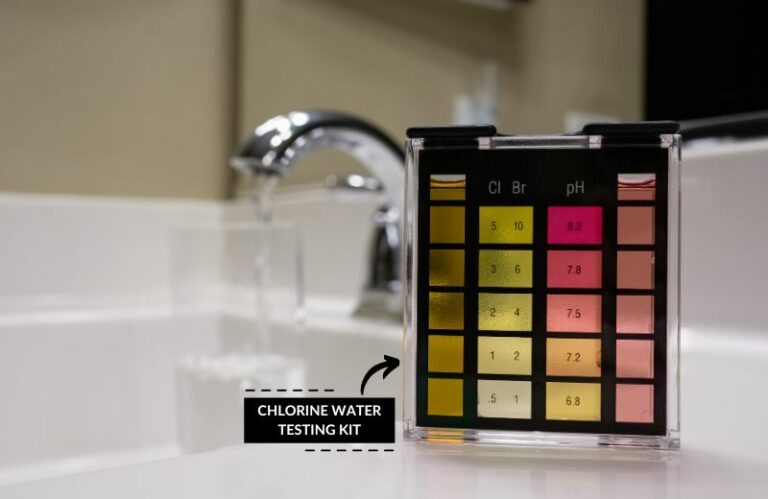
Nope! Your water utility adds a specific dose, usually between 0.5 and 4.0 parts per million. That’s a tiny amount—like one drop in a bathtub. But if you live somewhere with old pipes, they might add a bit more to keep things safe through the long journey. Your neighbor’s water might clear up in 12 hours, while yours takes 48.
Here’s a fun comparison: Chlorine dissipates slower than gossip spreads at a family reunion, but faster than a sealed jar of pickles losing its smell. It’s a middle-ground chemical culprit. You can literally smell it saying goodbye.
 How Long Does It Take Chlorine to Evaporate From Water?
Is it dangerous to drink right away?
Nah, not really. The levels in tap water are regulated to be safe for humans. You won’t grow gills or turn into a pool toy. But some people are sensitive to the taste or smell, especially if they’re used to filtered or bottled water. It’s more of a flavor preference than a health panic.
And hey, if you’re using water for plants, fish tanks, or making kombucha, getting rid of chlorine matters more. Goldfish, for example, are total divas about chlorine. It stresses them out. So for your finned friends, you’ll want to let water sit for a full 24 hours or use a dechlorinating drop.
Does temperature matter? You bet.
Warm water loses chlorine faster than cold water. Think of it like this: cold water is a lazy couch potato, holding onto gas molecules. Warm water is an energetic toddler, shaking everything loose. Leave a glass of cold tap in the fridge overnight? It might still have a faint chlorine whiff in the morning.
Summer sun on a countertop? That glass will be chlorine-free in 2 to 4 hours. It’s like the difference between a slow bus and a sports car.
The bottom line: Your water is a dynamic little science experiment.
So next time you fill a glass, you’re not just drinking H2O—you’re watching a micro-drama of molecules escaping into thin air. It’s a quiet, invisible process happening right under your nose. And all you have to do is wait a day, or give it a quick boil, or slap on a filter.
Chlorine is a temporary guest. It does its job, then waves goodbye. So pour yourself a glass, let it breathe, and enjoy the simple magic of tap water that doesn’t taste like a cannonball dive. Isn’t science just a little bit cool?
