How Do I Know If My Water Softener Is Regenerating

So, you’ve got a water softener. Congratulations, you are now the proud parent of a glorified bucket of salt beans that talks to itself at 3 AM. It sits in your basement or ga...
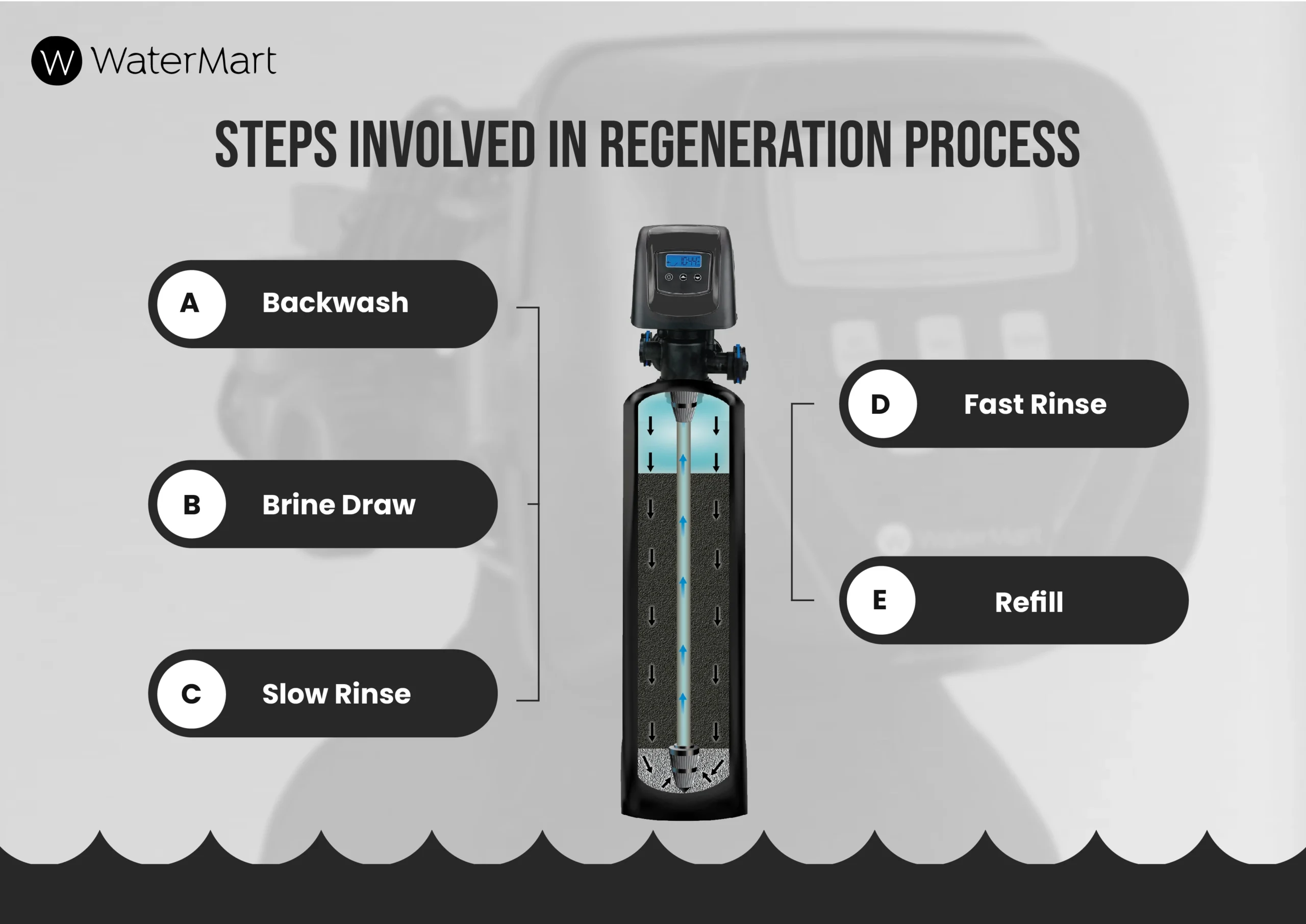
So, you’ve got a water softener. Congratulations, you are now the proud parent of a glorified bucket of salt beans that talks to itself at 3 AM. It sits in your basement or garage like a grumpy robot janitor, and its only job is to strip minerals out of your water so your hair doesn't feel like straw. But here’s the million-dollar question: how do you know when this salty beast is actually doing its job? I’m talking about regeneration—the magical, noisy process where it flushes out all that calcium and magnesium gunk. Let’s decode the secret life of your water softener, complete with jokes and a few eyebrow-raising facts.
The Tell-Tale Sounds: It’s Not a Ghost, It’s Your Softener
First up: your ears. A regenerating softener sounds like a possessed washing machine that just drank three espressos. You’ll hear a whirring motor, a sudden gurgle like a giant drinking the last of a milkshake, and then a hissing that makes you think a snake is plotting against your plumbing.
Fun fact: during regeneration, the softener sucks water through a venturi—a fancy nozzle that creates a vacuum. That “hiss” is actually air and brine mixing at high speed. It’s basically a jet engine for your pipes. If you hear that, congratulations—it’s working. If you hear nothing but silence, your softener might be on a coffee break. Or worse, it’s broken and just pretending.
Must Read
Playful exaggeration alert: Some units sound like a low-flying helicopter landing in your laundry room. Don’t panic. That’s normal. Unless it starts speaking to you in ancient Sumerian. Then maybe call an exorcist, not a plumber.
Watch the Water: The Clues in Your Sink
Now, head to the nearest faucet. Turn it on—specifically, during the regeneration cycle. Here’s the dirty little secret: at certain points in the cycle, you might get hard water blasting out. Yes, the very stuff it’s supposed to remove. This is because the softener bypasses itself to backwash the resin bed.
If you fill a glass of water during regeneration, it might look cloudy or feel oddly slimy. That’s not poison—it’s the brine solution doing its thing. But here’s a surprising fact: most modern softeners have a bypass valve that cuts your water off during regeneration. If your water suddenly stops flowing, then comes back with a sputter, you’re witnessing the regeneration cycle in action. It’s like your faucet is stuttering because it’s surprised.
Quick joke: if your water tastes like a salt lick at the county fair, you’ve either caught the softener mid-cycle, or you’ve accidentally installed a pickle brine dispenser. Check your manual. Or your life choices.
The Calendar Tells a Story (But Your Softener Has Its Own Schedule)
Most softeners regenerate on a schedule—usually in the dead of night when you’re dreaming of flying or forgetting to buy eggs. If you wake up at 2:17 AM to a noise like a 50-gallon drum being rolled down stairs, that’s your softener regenerating. It’s timed this way so you don’t have to listen to it while you’re binge-watching your favorite show.
But here’s a twist: some smart softeners regenerate based on actual water usage. That means it might regenerate on a Tuesday afternoon in the middle of your shower. Surprise! You’ll know because your shampoo suddenly won’t lather, and you’ll feel like you’re rinsing with pure sad tears.
Exaggeration for effect: One time, I had a softener regenerate during a family reunion. Everyone thought the plumbing was possessed. Uncle Bob started reciting exorcism prayers. Then I checked the timer. It was just Tuesday.
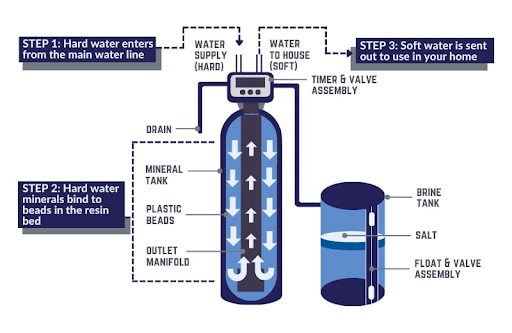 Can I Use Water While a Water Softener is Regenerating?
The Salt Check: The Obvious Tell
Open the salt tank—the white bin where you dump those bags of salt pellets. If the salt level dropped drastically overnight, the softener definitely regenerated. It uses about one pound of salt per regeneration, depending on hardness levels. So if you see a big hole in the salt like someone took a giant scoop out of a snow cone, you’ve got your answer.
Surprising fact: your softener eats salt like a teenager eats pizza. A typical family of four can go through 40–50 pounds of salt per month. That’s about the weight of a small, very hungry dog. If you never add salt, your softener will eventually give up and just let hard water flow through. It’s basically a rebellion of inanimate objects.
The “Cup Test” DIY Detective Move
Here’s a low-tech trick that makes you look like a plumbing Sherlock Holmes. Fill a clear glass with water from your kitchen sink. Add a few drops of liquid soap—not dishwasher soap, the hand-washing kind. Shake it like you’re making a martini at a bad party. If you get thick, fluffy suds that last forever, your water is soft. If you get sad little bubbles that disappear instantly, your water is hard, and the softener hasn’t regenerated.
Humorous twist: I did this once and got so many suds my glass looked like a cloud factory. My friend thought I was doing science. I told him I was just proving my water softener isn’t a lazy liar.
When in Doubt, Listen for the Drain
Finally, go to where your softener drains—usually a tube heading to a floor drain or laundry sink. During regeneration, you’ll hear a gushing, churning sound as it kicks out the brine and flushed minerals. It sounds like a small waterfall having a meltdown.
Pro tip: touch the drain tube. It’s usually cold or room temperature. But during regeneration, it gets warm from the motor and backwashing action. If it’s warm and wet, you’ve got a regeneration party happening. If it’s dry and dusty, your softener is likely on strike.
Final funny fact: softeners actually regenerate more efficiently when you’re not home. They’re shy. They don’t like an audience. So if you suspect it’s regenerating, leave the house for an hour. Come back, and check for soft water. It’s like taming a wild animal with patience—and salt.
In short: listen for the hiss, check the salt, shake your soap, and trust your ears. Your water softener is a drama queen, but it’s your drama queen. And now you know when it’s putting on a show.
