Whole House Water Filtration And Softening Systems

Ever turned on your tap and caught a whiff of something funky, like a swimming pool or rotten eggs? Or maybe you’ve stared at a stained sink and wondered if your water was sec...
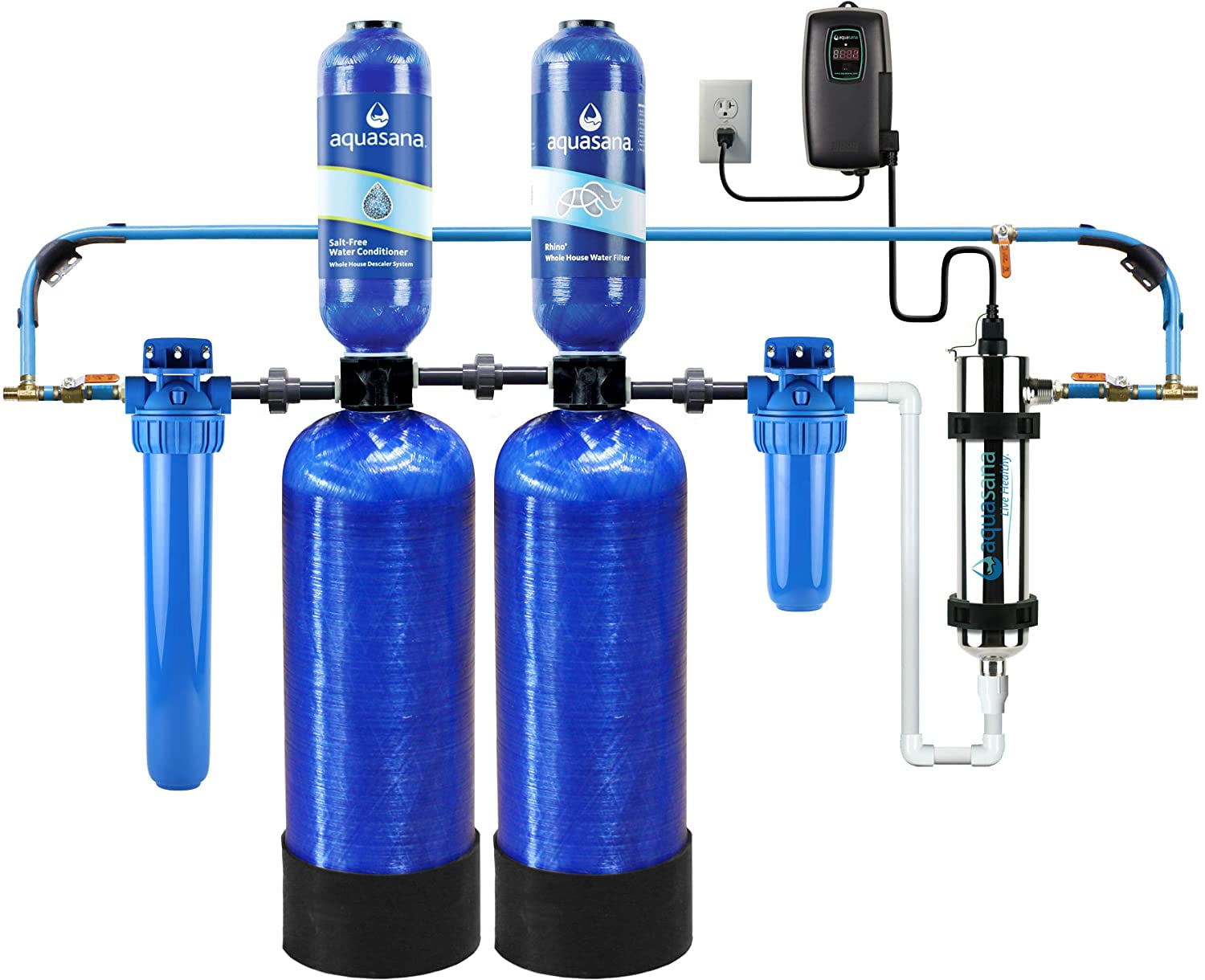
Ever turned on your tap and caught a whiff of something funky, like a swimming pool or rotten eggs? Or maybe you’ve stared at a stained sink and wondered if your water was secretly plotting against your plumbing. You’re not alone, and there’s a surprisingly chill solution: whole house water filtration and softening systems.
Think of these systems as a personal spa for every drop of water that enters your home. They treat all the water—from the shower to the kitchen sink to the washing machine—not just a single faucet. It’s like giving your entire house a giant, refreshing filter, rather than just a tiny straw.
What’s the difference? Hard vs. soft, clear vs. clean
Let’s get this straight: filtration and softening are different jobs, but they’re best friends. Filtration acts like a bouncer, kicking out dirt, chlorine, and sediments. Softening, on the other hand, is the gentle negotiator that removes calcium and magnesium—the minerals that make water “hard.”
Must Read
Hard water is that annoying stuff that leaves white crust on your faucets and makes your soap refuse to lather. It’s like trying to wash your hands in a glass of milk—just not satisfying. Soft water feels silky, makes your shampoo foam like a dream, and leaves your dishes spotless.
Ever noticed how your skin feels dry after a shower? That’s hard water stealing your moisture. Soft water is like a moisturizing hug for your entire body.
Why go whole-house? Because life is too short for spotty glasses
Maybe you’ve seen those counter-top pitchers that filter drinking water. Cool, right? But they ignore everything else. Your shower, your laundry, and your dishwasher are still getting raw, unfiltered water. It’s like buying a fancy salad dressing but drenching your salad in dirty oil.
A whole-house system means every tap delivers the good stuff. Your morning coffee tastes cleaner. Your expensive skin-care products actually work. And your pipes? They last way longer because they aren’t caked in mineral sludge. Think of it as a life insurance policy for your appliances.
And let’s talk about laundry. Have you noticed your towels get stiff and scratchy after a few washes? That’s mineral buildup. Soft water keeps them fluffy, like they’re fresh from a hotel spa. Who doesn’t want hotel-level towels every day?
The “ick” factor: chlorine, lead, and other guests
Municipal water treatment is essential, but it leaves behind a party you didn’t invite. Chlorine keeps water safe from bacteria, sure, but it also makes your shower smell like a public pool. A whole-house filter strips out that chlorine, so your bathroom smells like clean, not chemistry.
If you have well water, the stakes are even higher. You might be dealing with iron, sulfur, or even sediment from the ground. That’s why these systems often include a sediment filter—like a net catching leaves before they clog your pool. It’s a simple fix for a potentially gross problem.
And for the health-conscious? High-quality filters can reduce contaminants like lead, arsenic, and pesticides. That’s peace of mind, one clean shower at a time.
 Aquasana Whole House Water Filter System Review - PureWaterGuide
Does it cost an arm and a leg? (Spoiler: kinda, but it’s worth it)
Alright, truth time: installing a quality whole-house system isn’t cheap. You’re looking at anywhere from a few hundred to a few thousand dollars, including professional installation. But before you close this tab, think about what you’re not spending anymore.
No more buying bottled water by the case. No more descaling your coffee maker every week. No more replacing water heaters every five years because they’re clogged with mineral gunk. The system often pays for itself in appliance longevity and convenience.
Plus, consider the convenience. You don’t have to refill a pitcher, buy filters for three different faucets, or schedule annual repairs. It’s a set-it-and-forget-it solution, like a smart thermostat for your water quality.
Installation: not a DIY if you value your sanity
Unless you’re a plumber or a wizard, hire a pro for installation. It involves cutting into your main water line, mounting tanks, and possibly running a drain line for the softener’s regeneration cycle. One wrong cut and you’ll have a indoor water park—without the slides.
Maintenance is surprisingly easy, though. Most systems just need new filter cartridges every six to twelve months. Salt for the softener? You pour it in like a big, happy fish tank. It’s a small chore for a big payoff.
And let’s talk space. These units aren’t tiny. They usually sit in your garage, basement, or utility closet, about the size of a small fridge. It’s a trade-off: a little floor space for endless perfection from every tap.
So, is it for you? A little quiz
Do you have crusty faucets, dry skin, or a weird taste in your tap water? Do you own a dishwasher, washing machine, or a water heater? If you answered yes to any of these, your home is literally begging for a system.
Think of it like buying a mattress: you spend a third of your life sleeping, so you might as well invest. You spend every single day using water. Why settle for “okay” water when you can have the good stuff for your whole home?
In the end, it’s about making your life a little softer, a little cleaner, and a whole lot more comfortable. Your future shower will thank you—and so will your coffee maker. Go ahead, give your water the upgrade it deserves.
