Reverse Osmosis Water Filter System For Well Water

So, you’re living the well water life. You get that crisp, fresh-from-the-earth taste, and you don’t have a water bill from the city. But sometimes, you pour a glass and find...
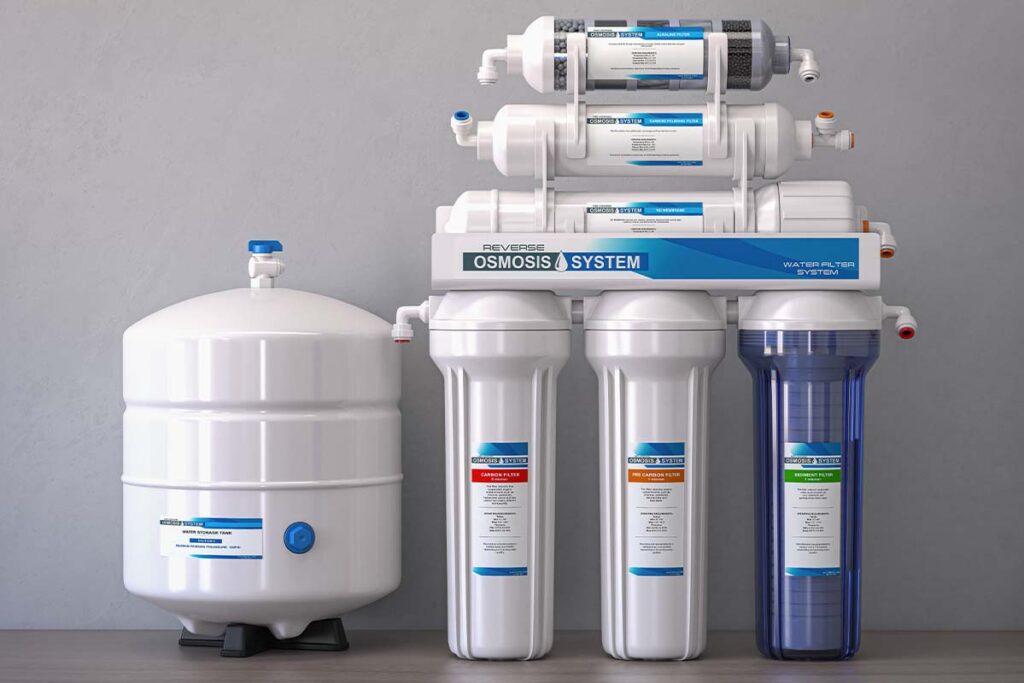
So, you’re living the well water life. You get that crisp, fresh-from-the-earth taste, and you don’t have a water bill from the city. But sometimes, you pour a glass and find yourself staring into it like it’s a science experiment.
Maybe it smells a bit like rotten eggs when you run the tap. Or you notice a rusty ring around the bathtub that makes you sigh. That’s where a Reverse Osmosis (RO) system comes in, like a superhero for your kitchen sink.
What’s the Big Deal About Well Water Anyway?
Well water isn't just "city water from a hole in the ground." It’s raw, unfiltered, and wild. It can pick up all sorts of stuff as it travels through the earth—think minerals, dirt, and even tiny bacteria.
Must Read
Imagine your well is like a long, messy straw dipping into a giant milkshake. You want the sweet milkshake, but you’re also getting lumps of cookie dough, a bit of salt, and maybe a stray pickle.
Your standard fridge filter is like a polite little sieve. It’ll catch some crumbs, but it lets all those sneaky, dissolved minerals slip right through. That’s why your coffee tastes funny, or your ice cubes look cloudy.
How RO Actually Works (It’s Cooler Than It Sounds)
Think of Reverse Osmosis as a super-picky bouncer at a VIP club. It doesn't just look at the size of the molecule; it checks its ID. Water molecules get let in, but things like lead, arsenic, chlorine, and those smelly sulfur compounds get politely told, "Not tonight, pal."
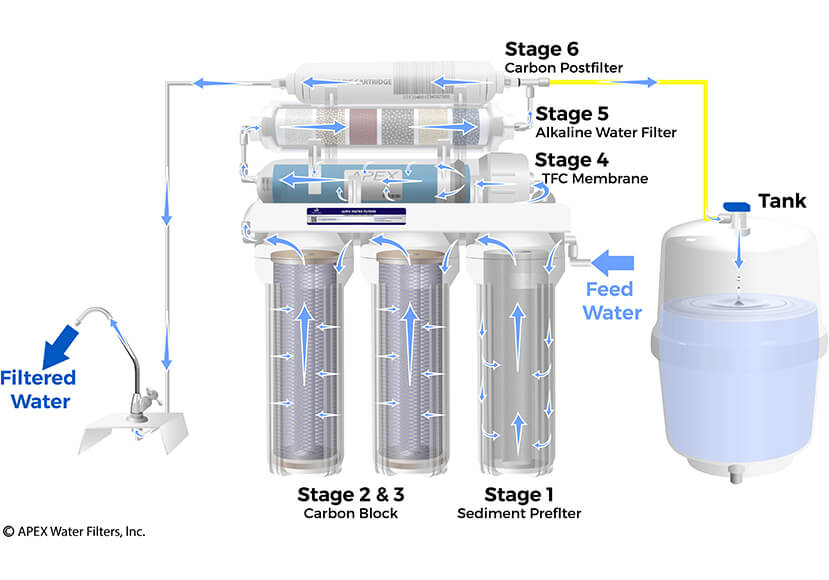
It uses pressure to push your well water through a very special, semi-permeable membrane. This little plastic sheet is the real hero. It has microscopic pores that only let water molecules through, leaving everything else behind to get flushed away.
The result? Water that’s so pure, it almost feels like it's missing something. But in a good way—like a clean slate for your morning lemonade.
Why You Should Care (And Not Just Because of the Taste)
Let’s start with the practical stuff. Have you ever noticed that your favorite stainless steel kettle has a white, chalky film inside? That’s calcium and magnesium buildup, or "hard water." An RO system stops that mess cold.
Then there’s the cooking. Ever boil pasta and find a weird scum floating on top? That’s the well water reacting to the high heat. With RO water, your pasta water stays clear, and your vegetables taste like vegetables, not like the ground they grew out of.
And don’t even get me started on coffee. Good coffee is 98% water. If your water tastes like dirt and minerals, your fancy $20 bag of beans is just an expensive waste. Switch to RO water, and you’ll suddenly feel like a barista at a fancy café.
Your Appliances Will Thank You
Think about your washing machine, your dishwasher, and your water heater. They work so hard. But well water full of minerals is like feeding them sand every day. That scale builds up inside, making them work harder, costing you more electricity, and breaking them down early.
An RO system protects your investment. It’s like giving your appliances a daily spa treatment. They’ll run cooler, last longer, and won’t make that sad, grinding noise right before they die.
 Reverse Osmosis Water Filter For Well Water System Well Pure Reverse
Plus, your plumbing pipes stay clean. No more mysterious orange stains in the toilet bowl that you have to scrub with your whole arm.
The "But It’s So Fancy" Hurdle
I know, I know. You picture a big metal machine with blinking lights. But modern under-sink RO systems are small, quiet, and surprisingly easy to install. Many are simple enough that your handy neighbor can help you hook it up over a Saturday afternoon.
You don’t need to buy a system that turns your entire house into a water factory. A simple point-of-use system under your kitchen sink is perfect. It only treats what you drink and cook with, which is really all you need.
The only downside? They use a bit of water to flush away the bad stuff. It’s a few gallons for every gallon of clean water you get. But most people agree: it’s a tiny price to pay for water that tastes like it came from a mountain spring.
The "Gasp" Moment
Remember when a friend first poured you a glass of RO water from their well? You took a sip, raised an eyebrow, and said, "Wow, this tastes like… nothing." And it was amazing. Pure water has no smell, no aftertaste, no metallic twang.
It’s like finally cleaning your glasses after wearing them blurry for years. You didn’t realize how much "stuff" was in your water until it was gone.
That first glass of cold, clean, crisp RO water from your own well? It’s a little victory. A quiet, happy moment where you think, "Ah, that’s what it’s supposed to be like."
So, Should You Get One?
If you’re tired of describing your water with words like "rusty," "sulfury," or "hard," then yes. If you want your iced tea to be clear, not foggy, then yes. Yes, you should.
It’s not just an appliance. It’s a ticket to feeling proud of your well water again. You get the independence of your own source and the crystal-clear quality of bottled water.
Go ahead, give your well water a promotion. Your taste buds, your appliances, and your morning coffee will all throw you a little thank-you party.
