Reverse Osmosis Whole Home Water Filtration System

So, picture this: I’m standing in my kitchen, filling a glass from the tap, and it smells faintly like a swimming pool. My wife walks in, sniffs the air, and says, “Did you ju...
So, picture this: I’m standing in my kitchen, filling a glass from the tap, and it smells faintly like a swimming pool. My wife walks in, sniffs the air, and says, “Did you just bleach the counter?” Sigh. That was the moment I realized our water had a personality—and it wasn’t a friendly one.
If you’ve ever had that swimming pool déjà vu from your own tap, you’re not alone. Your water might taste like metal, leave white spots on dishes, or even turn your morning coffee into a chemistry experiment gone wrong. Enter the Reverse Osmosis Whole Home Water Filtration System—the big hero we didn’t know we needed.
Wait, reverse osmosis? Isn’t that for astronauts?
Honestly, it sounds like something from a sci-fi movie, right? But no, reverse osmosis (or RO, for the cool kids) is actually just a fancy, high-pressure filter that squeezes water through a super-tight membrane. Think of it as a very picky bouncer at a club that only lets H₂O molecules through—while kicking out chlorine, lead, pesticides, and even that weird sulfur smell.
Must Read
And I’m not talking about a little pitcher filter on your counter. I mean a whole home system—the kind that treats every drop from every tap, from the shower to the laundry room. Yes, every single drop.
Why go whole home? Isn’t a faucet filter enough?
Let me guess: you’ve got one of those little filter pitchers in the fridge, and it helps—but only for drinking water. Meanwhile, your skin feels like sandpaper after a shower, and your dishwasher keeps leaving a chalky film on glasses. That’s because unfiltered water is still hitting your pipes, appliances, and skin.
With a whole home RO system, you’re not just saving your taste buds. You’re protecting your water heater from scale buildup, your hair from mineral dullness, and your piping from corrosion. Ironic, isn’t it? The same water that smells like a pool can also slowly eat your plumbing from the inside.
The nitty-gritty (but not too nitty-gritty)
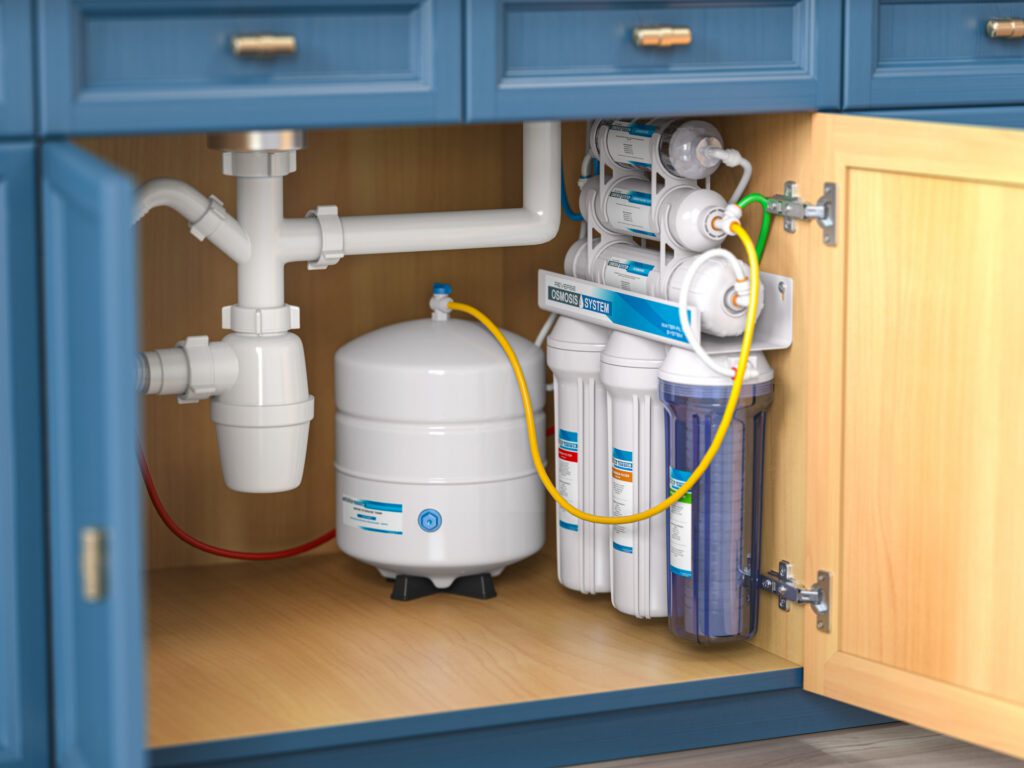
Here’s the simplified version: your water first passes through sediment and carbon filters to catch the big stuff. Then it hits the RO membrane—the star of the show—which blocks contaminants down to 0.0001 microns. To put that in perspective, a human hair is about 70 microns wide. Yeah, this membrane is seriously picky.
After that, the clean water goes into a storage tank, ready for you to use. Meanwhile, the rejected junk—brine, they call it—gets flushed down the drain. It sounds wasteful, but modern systems recycle that brine water, so you’re not just pouring money down the drain. Efficiency matters.
The “buts” you’re probably thinking right now
Okay, let’s address the elephant in the room: cost. Yes, a whole home RO system isn’t cheap—you’re looking at a few thousand dollars installed. But compare that to buying bottled water for every glass, juice, and coffee for the next ten years. Or worse, replacing your water heater every five years because of mineral scale. Suddenly, it starts to look like a smart investment, not an expense.
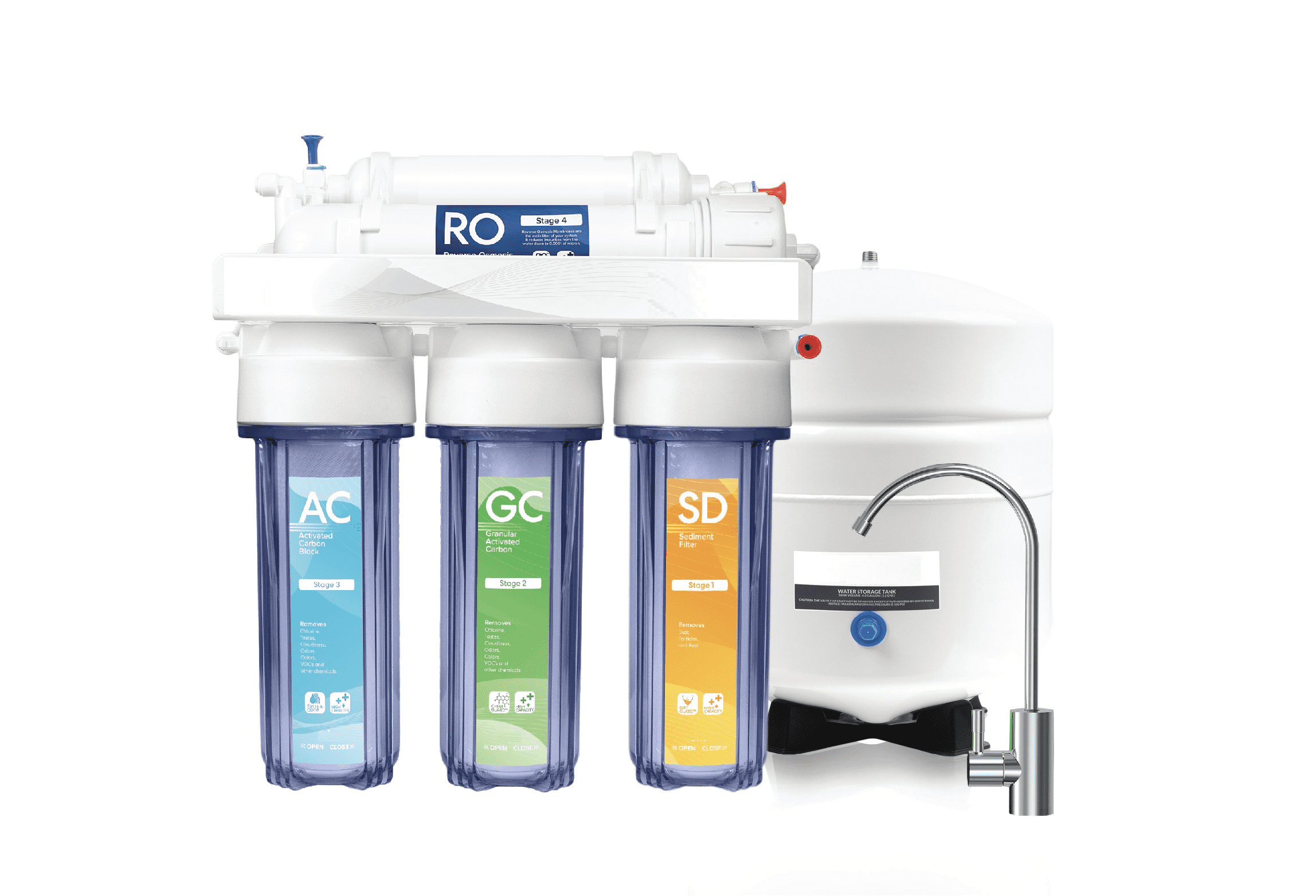 5 Stage: Complete Home Reverse Osmosis Drinking Water Filtration System
Another “but” is the space these units take up. They’re not tiny. You’ll need room in your basement or garage for a tank and multiple filter housings. But hey, if you have a closet full of unused holiday decorations, maybe it’s time to repurpose that space for something that actually improves your life—like water that doesn’t taste like a chemistry set.
Installation: The not-so-fun part
I’ll be honest: this isn’t a DIY project for most people. You’re dealing with plumbing, a drain line, and a pressurized system. Call a pro. Or at least your handy neighbor who owns three types of wrenches and isn’t afraid of Teflon tape. The installation usually takes about half a day, and then—finally—you can enjoy the payoff.
The first time I showered after installation, I didn’t feel that slimy, hard-water residue. My hair actually felt soft. And when I made coffee the next morning? No weird aftertaste. Just pure, clean water doing its thing. I almost cried, but that might have been dehydration from years of avoiding tap water.
Is it overkill for some homes? Sure.
If your water comes from a pristine mountain spring (lucky you!), you probably don’t need a whole home RO system. But for the rest of us—living in cities with aging pipes, well water with iron, or rural areas with agricultural runoff—it’s a game changer. You can check your local water quality report online. If it lists things like “chlorine byproducts” or “lead and copper action level,” it’s time to consider the upgrade.
And here’s a little secret: RO systems also remove fluoride, which some people want for dental health. If that’s you, you can add a remineralization cartridge to put good minerals back in. It’s like having your cake and eating it too—with perfectly clear, great-tasting water.
The final sip
Look, I’m not saying a reverse osmosis whole home system will solve all your problems. It won’t fix your marriage or make you a better cook. But it will stop you from wondering if your tap water is slowly turning you into a superhero or a science experiment. And honestly, that peace of mind? Priceless.
So, next time you fill a glass and cringe at the smell or taste, ask yourself: is this really the water I want to bathe in, cook with, and serve to my family? Or am I ready to let a very picky membrane do the worrying for me? I know which one I chose—and my shower has never smelled more like rain and less like a public pool. Cheers to that.
