Under Sink Reverse Osmosis Water Filter Replacement

Let’s talk about under sink reverse osmosis water filters. Yes, those mysterious plastic canisters hiding in your cabinet. Most people treat them like a forgotten pet. You bou...
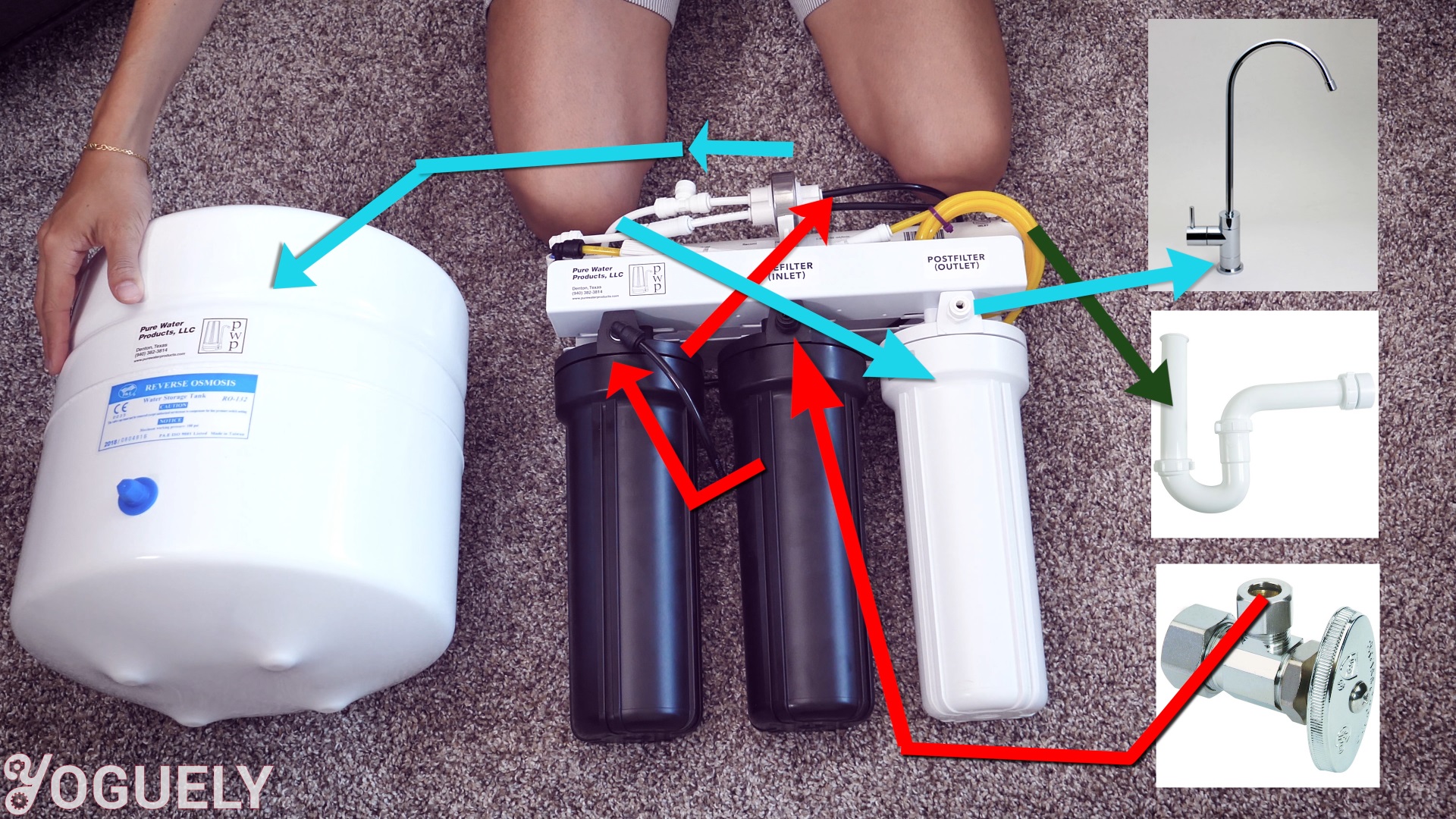
Let’s talk about under sink reverse osmosis water filters. Yes, those mysterious plastic canisters hiding in your cabinet. Most people treat them like a forgotten pet. You bought it, loved it, and now you ignore it. Until the water starts tasting like a swimming pool.
Why You Should Care (And Not Just Because of Bacteria)
That filter is a hard worker. It strips out lead, chlorine, and even weird stuff like pharmaceuticals. But it gets clogged. Think of it like a coffee filter after a thousand cups. Gross, right?
Here’s a quirky fact: your RO system actually rejects more water than it makes. For every gallon of pure water, it dumps 3-4 gallons down the drain. It’s a thirsty machine. But hey, that’s how it gets you the cleanest sips on the block.
Must Read
If you’ve never replaced the filters, you’re basically drinking from a museum. Old filters can grow bacteria. Yuck. Don’t be that person who serves guests “vintage” water.
The Secret Life of Filters (Spoiler: They Bunch Up)
Your system has three stages. First is the sediment filter. It catches sand and dirt. Next is the carbon block. It absorbs chlorine and tastes. Last is the RO membrane. That’s the VIP—it physically pushes water through tiny holes. Viruses can’t fit. Science is wild.
Here’s the funny part: the RO membrane is so delicate it needs a pre-filter. Like a bodyguard for a celebrity. If you skip changing that first filter, the membrane dies faster than a goldfish in a hot car.
Most people replace filters every 6-12 months. But that depends on your water. Tap water from Flint? Change it monthly. From a mountain spring? You might last a year. Check your water report. Or just get a TDS meter—it’s like a Fitbit for your filter.
The Nightmare You Avoid (with Photos of My Own Filter)
I once opened a 2-year-old filter. It looked like a swamp. Black slime. A smell that made me question life choices. Don’t let this be you.
Replacing filters is cheaper than buying bottled water. Like, hundreds of dollars cheaper. Plus, you save the planet from plastic. Feel good about yourself.
Pro tip: twist counterclockwise. Most filters unscrew like a jar. If it’s stuck, use a wrench. But be gentle—you’re not opening a pickle jar at a picnic. Lubricate the new O-ring with a tiny bit of water. Or it’ll squeak like a haunted house.
The Fun Part: Ordering the Right Parts
There are two types: standard 10-inch and proprietary cartridges. Standard ones are cheap and universal. Proprietary ones are like iPhone chargers—they only work with their brand. Always buy standard if you can. Your wallet will thank you.
 How To Change Filters In A Reverse Osmosis Water Filtration System at
Here’s a secret: you can upgrade your system with a “no-tool” filter. It has a little lever. Pop it out like a Lego. No mess. No stress. Future you will high-five past you.
Don’t forget to flush the new filters. Let water run for 10 minutes. Otherwise, you get fizzy, carbon-dust water. It’s not fancy champagne. It’s just gross.
A Quick Timeline (So You Don’t Drift Off)
- Month 0: Fresh filters. Water tastes like angel tears.
- Month 6: Still good. You’re a hero.
- Month 12: Filter is tired. Water has a faint “basement” note.
- Month 18: You notice a smell. Blame the dog.
- Month 24: You finally change it. Welcome back, angel tears.
The RO membrane lasts 2-3 years. But sediment and carbon filters are quarterly friends. Mark your calendar. Or set a phone reminder. If you forget, your water will remind you with a taste of regret.
Funny Details to Impress Your Friends
Did you know early RO systems were used on submarines? Sailors drank recycled pee water. But modern RO? It’s so clean it’s empty. No minerals. Some people add a “remineralization” filter just to make it taste like spring water. High maintenance much?
Another fun fact: cold water works better for RO. Warm water makes the membrane lazy. So if you’re in a desert, run the water a bit first. Or install a cold-water line. Fancy.
And never put RO filters in a dishwasher to clean them. I saw a YouTube comment that suggested that. Don’t. It explodes. Stick to the manual. Really.
The Bottom Line (No, Not a Pipe Joke)
Replacing your under sink RO filter is like flossing. You know you should. You avoid it. Then you do it and feel awesome. Your water will thank you with a pure, crisp sip. Your tea will taste better. Your ice cubes won’t smell like Fritos.
So go on. Open that cabinet. Grab a new filter. You’ve got this. And if you screw it up? Just call it “vintage filtration.” Laugh. Then try again.
Now go hydrate. With real clean water.
