Water Filter That Removes Fluoride And Heavy Metals

Okay, let’s be real for a second. Your tap water might look innocent enough, like a clear glass of “ahh,” but sometimes it’s hiding some pretty unwelcome guests. We’re talking...
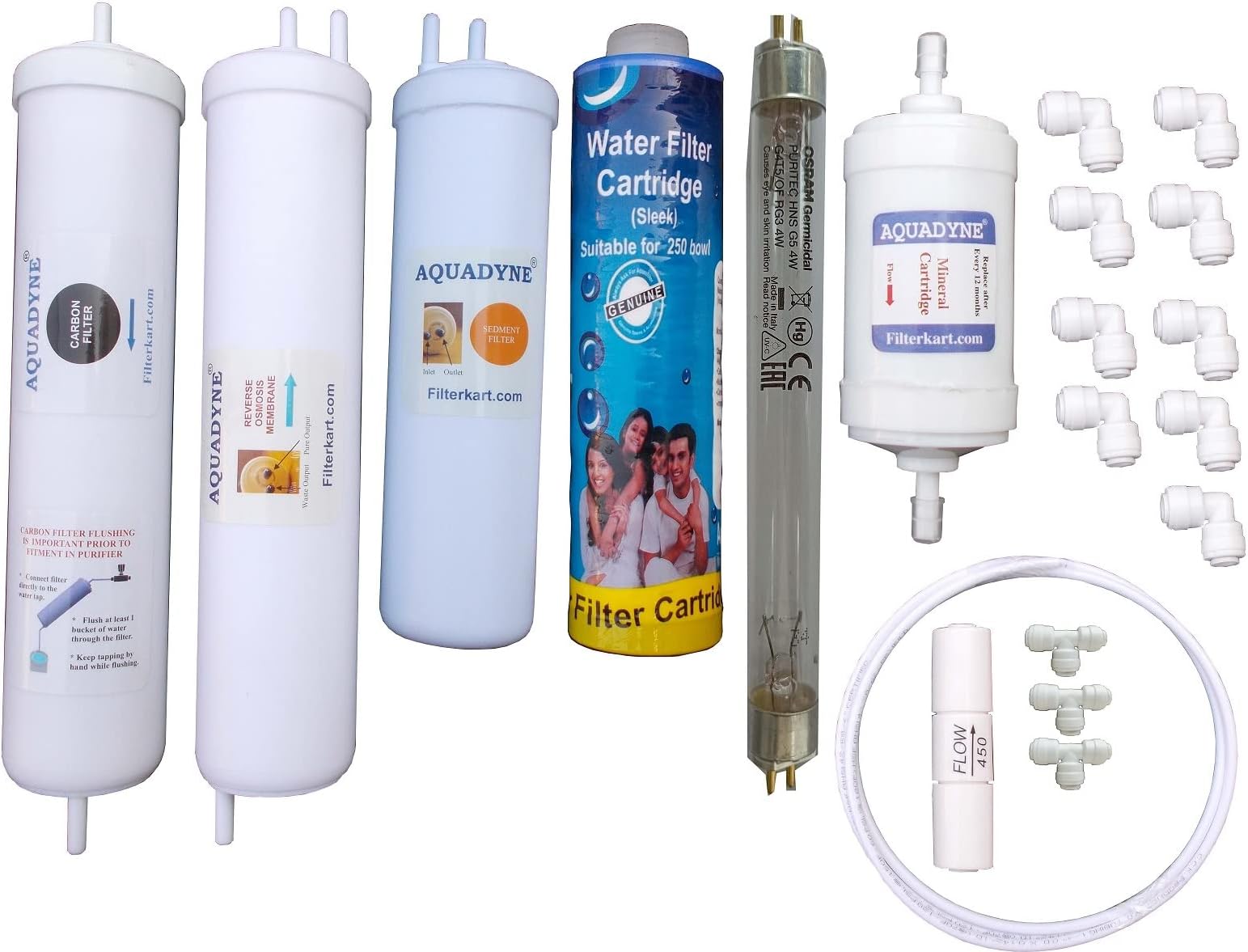
Okay, let’s be real for a second. Your tap water might look innocent enough, like a clear glass of “ahh,” but sometimes it’s hiding some pretty unwelcome guests. We’re talking about fluoride (sorry, conspiracy theorists, it’s actually a mineral) and heavy metals like lead and mercury—the kind of stuff you don’t want doing a conga line in your kidney. That’s where the hero of our story comes in: a water filter that kicks fluoride and heavy metals to the curb.
Think of it as a bouncer for your drinking glass. A really, really picky bouncer. This filter doesn’t just catch the big, obvious dirt clods; it’s on a mission to snatch up the microscopic sneaky villains that standard filters sometimes let slide. And honestly? Your body will throw you a little party every time you take a sip.
Why Should You Care About the “Bad Stuff”?
Let’s start with the elephant in the room—or should I say, the fluoride in the fluoride. For decades, cities have added it to water to fight cavities, which is great for your teeth. But too much of it can lead to things like skeletal fluorosis (a fancy term for “ouch, my bones”) and other issues. Plus, if you’re already brushing with fluoride toothpaste, you’re probably getting plenty.
Must Read
Then there’s the heavy metal band: lead, mercury, cadmium, and arsenic. These guys aren’t just heavy; they’re toxic. They can mess with your brain, your nerves, and your overall vibe. Lead poisoning? Not exactly the glow-up you were hoping for. A good filter acts like a security guard saying, “Not on my watch, buddy.”
How Does This Magic Filter Actually Work?
Alright, science time—but the fun kind, I promise. Most of these filters use a special media, like activated alumina or a fancy carbon block blend, that has a serious chemical crush on fluoride and heavy metals. They latch onto those particles and hold them hostage so they can’t escape into your water bottle.
It’s like a game of molecular Pac-Man, where the filter gobbles up the bad guys and leaves you with pure, delicious H2O. Some systems even combine reverse osmosis (RO) with a remineralization step, because nobody wants water that tastes like a sad hug. RO is the elite athlete of filtration—it strips out almost everything, including fluoride. Then, it adds back a pinch of healthy minerals, so your water doesn’t taste like a science experiment.
What to Look For (So You Don’t Get Scammed)
First thing: don’t fall for the “bottle-in-a-pitcher” trick unless it’s certified. Look for filters that say “NSF/ANSI Standard 53” (for heavy metals) or “Standard 58” (for reverse osmosis and fluoride removal). That little sticker means a third party tested it, and it’s not just a fancy paperweight. Trust me, your wallet will thank you.
Second, check the pore size—the smaller the better. A solid filter will have a micron rating of 0.5 or less, which is teeny-tiny enough to catch most metals and fluoride. This is not the time for a “close enough” attitude, unless you enjoy drinking a periodic table smoothie.
Finally, factor in your water source. If you’re on a well, you probably have more heavy metals than city folk. If you’re on city water, fluoride is your main concern (plus chlorine, which tastes like a swimming pool). Match the filter to your enemy list. It’s like a superhero that only fights the villains you actually have.
The “But Wait, Are There Downsides?” Section
Spoiler: nothing’s perfect. Some fluoride-removing filters also strip out good minerals like calcium and magnesium. That’s why a good system will add them back (remineralization, baby!). Also, these filters tend to be a bit pricier than the basic Brita—think $50 to $200 for a decent one. But you’re paying for peace of mind, not just a plastic jug.
 Faucet Tap Water Filter, Uooker 2 Pcs Activated Carbon Kitchen Tap
Another thing: they slow down. Because they work so hard to catch the tiny stuff, the water trickles out instead of gushing. That’s fine when you’re filling a glass, but if you’re trying to hydrate a small army, you might get impatient. Patience is a virtue, and so is not drinking lead. Priorities.
Setting It Up (It’s Not Rocket Science)
Most countertop models are as easy as plug-and-play. You attach a little tube to your faucet, plug in the filter, and boom—clean water city. Under-sink models take a bit more elbow grease (maybe 20 minutes and a YouTube tutorial), but once they’re installed, you don’t have to think about them for months. Replacement filters usually last 3–6 months, depending on how much you drink.
And don’t forget the fun part: you get to brag to your friends. “Oh, this water? Yeah, I filter out lead and fluoride. No big deal. Just hydrating like an elite athlete or a paranoid genius.” They’ll either be impressed or think you’ve joined a cult. Either way, your kidneys will thank you.
But Is It Really Worth It?
Look, I’m not saying you’ll suddenly grow a third arm or be able to see through walls after drinking filtered water. But if you’re worried about long-term health, it’s a no-brainer. Heavy metals accumulate in your body over time (hello, bio-accumulation), and fluoride is a sneaky little mineral that doesn’t just stick to teeth. Giving your liver and kidneys a break? That’s a win.
Plus, the taste. Oh my gosh, the taste. Filtered water without that weird metallic tang or the faint flavor of pool chemicals is like upgrading from a cardboard pizza to a wood-fired masterpiece. You’ll find yourself drinking more water, which means fewer headaches, better skin, and more time dancing in your kitchen instead of yawning.
The Uplifting Conclusion (We Made It!)
So, here’s the thing: you deserve water that’s as pure as your intentions. You are a magnificent human being who works hard, dreams big, and probably spills coffee on your shirt sometimes. You don’t need to worry about what’s hiding in your tap. A good filter is like a hug from your future self—one that says, “Hey, I got you. Drink up.”
Now, go out there, grab a filter that kicks fluoride and heavy metals to the curb, and pour yourself a glass of joy. Your body will sing a little song. Your taste buds will do a happy dance. And the next time someone asks, “Is tap water safe?” you can smile knowingly and say, “It is now, my friend. It is now.” Cheers to you, you glorious water-sipping legend. 🚰💧
