Clean Water Solutions For Commercial Coffee Service

Your morning latte is a ritual. That first sip is a moment of pure, caffeinated grace. But have you ever stopped to think about the unsung hero in your cup? It’s the water. In...
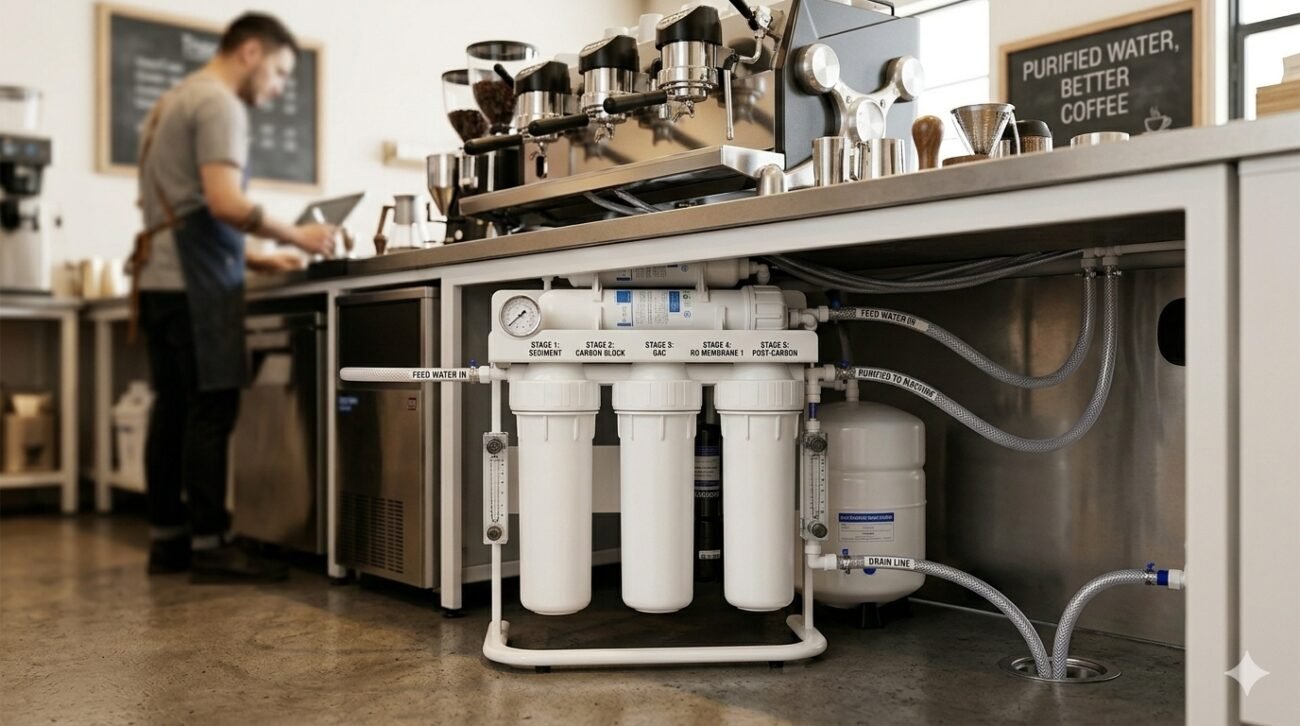
Your morning latte is a ritual. That first sip is a moment of pure, caffeinated grace. But have you ever stopped to think about the unsung hero in your cup? It’s the water. In commercial coffee service, water is not just a solvent; it’s the stage upon which the coffee’s flavor performs.
Imagine a barista crafting a perfect espresso with hard, mineral-rich tap water. The result? A flat, dull shot that tastes more like chalk than caramel. Water quality can make or break your entire coffee program, from the café downtown to the office break room.
The Chemistry of a Great Cup
Great coffee is about extraction. Water pulls the oils, acids, and sugars out of the coffee grounds. If your water has too many minerals, it binds to those delicious compounds. You end up with a bitter, lifeless brew that leaves everyone reaching for sugar.
Must Read
Here’s a fun little fact: Specialty coffee shops often use water that’s been “built” from scratch using reverse osmosis and mineral reinjection. Yes, they’re essentially making designer water for your morning jolt. It’s extreme, but it works.
The Three Villains of Commercial Water
Let’s meet the bad guys. Chlorine is number one—it’s found in most municipal supplies and gives coffee a distinct pool-water taste. Then there’s calcium carbonate, which creates scale that will choke your espresso machine like a bad oil filter. Finally, total dissolved solids (TDS)—too high, and your coffee is murky; too low, and it’s sour.
One savvy café owner in Seattle told me she spends more on water filtration than on her coffee beans. At first, it sounded crazy. Then she brewed me two identical espressos—one with filtered water, one with tap. The difference was stark. The filtered one was silky; the tap one tasted like regret.
Solution #1: The Carbon Filter
This is your entry-level champion. A simple activated carbon filter removes chlorine, bad odors, and sediment. It’s cheap, easy to install, and will instantly improve the taste of your drip coffee. Think of it as the “wash your hands” of water treatment—basic but non-negotiable.
Practical tip: Replace the filter cartridge every six months, or sooner if your water tastes like a swimming pool. Your coffee will thank you with every sip.
Solution #2: Reverse Osmosis (RO) + Remineralization
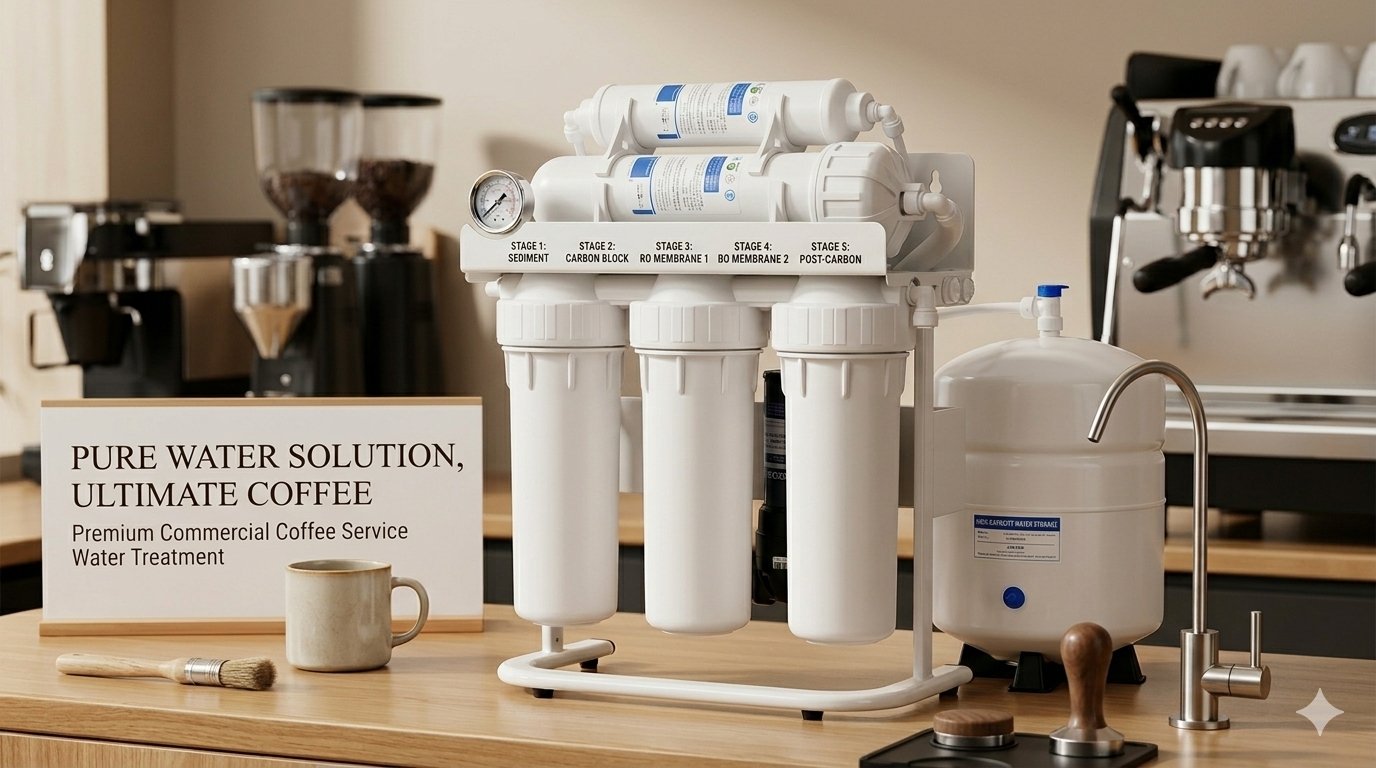
For serious commercial operations, RO is the gold standard. It strips nearly everything from the water—good and bad. But pure water is actually too aggressive for extraction; it makes coffee taste sharp. That’s why pros remineralize with a blend of calcium and magnesium. This creates the perfect “buffer” for balanced flavor.
Cultural note: In Italy, baristas often use a simple softener system because their local water is naturally great. In the UK, they swear by RO systems due to hard water. Your region dictates your strategy. It’s like choosing a coffee bean based on your altitude—local wisdom matters.
 Clean Water Solutions For Commercial Coffee Service & ROI
Solution #3: On-Demand Softeners for High-Volume Service
If you’re running a bustling café that goes through 100 gallons of water a day, scale is your enemy. A water softener exchanges calcium ions for sodium, preventing scale buildup. This saves you thousands in machine repairs and keeps your espresso machine running like a dream. That’s money in the bank.
Fun fact: Some high-end espresso machines have built-in water profiling technology that adjusts flow rates based on the water’s mineral content. It’s basically a smart barista for your plumbing.
Practical Tips for Your Coffee Service
First, test your water. Order a simple TDS meter online (it’s under 20 bucks). Aim for a reading between 100 and 150 ppm—the sweet spot for coffee extraction. Second, talk to your water supplier about a commercial-grade filtration system. Third, train your staff to check the water taste weekly. If they say “it’s fine,” run a blind taste test with them. They’ll change their minds.
Another tip: keep a jug of filtered water next to your brewer for a full day, then brew a test pot. Compare it to a pot made with unfiltered water. You’ll be shocked—and maybe a little embarrassed—at what you’ve been serving.
The Ripple Effect
Clean water doesn’t just save your coffee; it saves your equipment. Scale buildup can slash the lifespan of a commercial espresso machine by half. That’s a repair bill that could fund a small vacation. Plus, better-tasting coffee means happier customers who return and tip more. It’s a virtuous cycle.
Think of your water system as a pair of glasses. Without it, the flavor is blurry and confused. With the right solution, every coffee is crisp, vibrant, and truly memorable. It’s the quietest upgrade you’ll ever make.
So this morning, as you pour that first cup, take a moment. Look at the clear water before it becomes coffee. It’s not just H2O. It’s the foundation of your day, the backdrop to conversations, and the quiet workhorse behind every good brew. Taste it. Respect it. And let clean water do its magic.
Now go drink something amazing.
