How Many Ounces Of Water Should A Person Drink Daily

Let’s be real for a second: figuring out how many ounces of water you should drink daily feels a lot like trying to assemble IKEA furniture without the manual. You’ve got the...

Let’s be real for a second: figuring out how many ounces of water you should drink daily feels a lot like trying to assemble IKEA furniture without the manual. You’ve got the general idea, but somewhere between “eight glasses” and “your pee should be the color of lemonade,” you’re just guessing. I’ve been there, standing in my kitchen at 10 p.m., chugging water like I’m training for a marathon, because my phone app yelled at me. Why does something as simple as drinking water turn into a chore?
Here’s the classic rule you’ve heard a million times: eight 8-ounce glasses a day, making it 64 ounces. That’s the baseline, the “mom advice” that’s been passed around since gym class in the ‘90s. It’s a nice, round number—easy to remember, like your high school locker combination. But honestly, it’s about as accurate as saying everyone needs exactly one pair of jeans. Funny thing is, your body isn’t a one-size-fits-all water bottle.
So, what’s the real deal? The Institute of Medicine tosses out a slightly more nuanced number: about 91 ounces for women and 125 ounces for men per day. Whoa, right? That sounds like you’d need a camel’s hump or a personal hydration backpack. But here’s the kicker: that total includes water from food—soups, fruits, salads, even your morning coffee. Yes, coffee counts, despite what your aunt with a crystal collection might tell you about dehydration. You’re not a desert cactus; you’re a human who eats watermelon.
Must Read
Your Life, Your Thirst
I tried following the 125-ounce rule once, and I spent more time in the bathroom than at my desk. My coworkers started a betting pool on how many breaks I’d take. The truth is, your daily water needs depend on you—your weight, your sweat level, and whether you just ran a 5K or binge-watched three episodes of a Netflix series. If you’re active, you need more; if you’re cold and still, less. It’s not rocket science, but it’s closer to biology class.
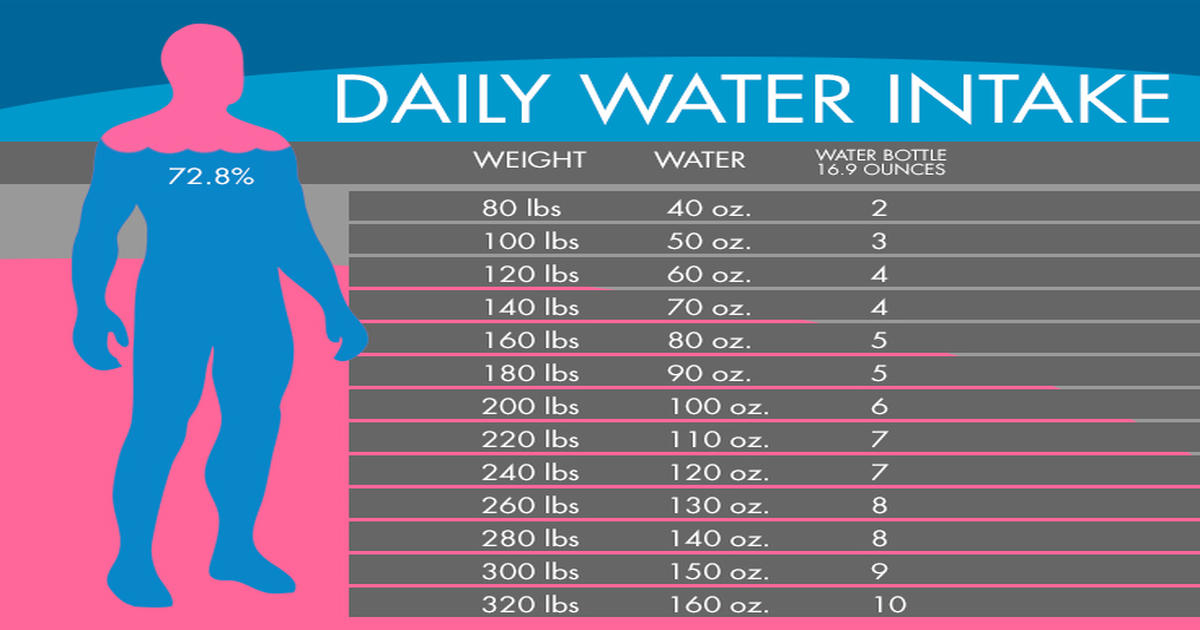
A better trick? Use the half-your-body-weight rule: take your weight in pounds, divide by two, and that’s your ounces. For example, a 150-pound person would aim for 75 ounces a day. It’s not perfect, but it beats forcing down a gallon and feeling like a human fish tank. I use this, and I still forget to drink until my lips feel like sandpaper.
The Signs You’re Missing
Here’s where it gets funny: your body is basically a loud, annoying roommate that tells you when it needs water. Thirst is the obvious one, but by then, you’re already behind—like realizing you’re out of gas after the light turns red. Then there’s dry mouth, headaches, and that groggy feeling where you can’t find your keys (which are in your hand). My favorite sign? When your urine looks like iced tea instead of pale straw. That’s your body waving a little yellow flag.
Actually, I once ignored thirst during a hike because I was “almost at the top.” I ended up drinking so fast at the summit that I got a side stitch and hiccups simultaneously. Not my proudest moment. Listen to your body before it resorts to drama. It’s easier to sip steadily than to chug like a frat boy at a keg stand.
 Water Consumption Calculator Thames Water Launches New Calculator To
And while we’re at it, forget the “eight glasses” myth that makes you feel guilty for not being a hydration machine. You’re doing fine. Drink when you’re thirsty, eat your veggies, and don’t stress if you’re not hitting 91 ounces. One time, I survived a full day on just two glasses of water and a Diet Coke. I didn’t keel over; I just had a headache and smelled like a coffee shop. Not the end of the world.
Common Water Pitfalls (and How to Laugh Through Them)
We all have that friend who carries a gallon jug everywhere, sipping it like a holy grail. Good for them, but too much water is a thing. Ever heard of hyponatremia? It’s when you drown your body’s sodium levels, usually after a marathon or a really intense yoga session. Unless you’re an ultramarathoner or a firefighter in July, you’re probably not at risk. Still, don’t make your urine clear as tap water—that’s overdoing it.
Another fail: buying that fancy 32-ounce hydro flask, filling it once, and then wondering why it’s still full at dinner. Make water a habit, not a project. I put a glass by my toothbrush and take a sip every time I brush. It’s not glamorous, but it works. Or use a silly app that gives you digital high-fives. Whatever keeps you from being a dry husk by 3 p.m.
The Final Sip
So, how many ounces should you drink daily? Somewhere between a sensible amount and not measuring it to the milliliter. The science says 64 to 125 ounces total, but your life says “I’ll drink when I’m parched.” And that’s okay. The goal is to be alert enough to laugh at your own dry-mouth jokes, not to fill a quota.
Next time you see that plastic bottle, just take a sip. You’re not a plant that needs a schedule—you’re a person who already had some soup. Cheers to that. Now, go refill your cup, but maybe wait until the commercial break.
