When The Water Turns Yellow Which Gas Is Most Common

Okay, let’s be real. You turn on the tap, expecting a nice, clear glass of water. Instead, you get... yellow. It’s not lemonade. It’s not artisanal golden ale. It’s your tap w...

Okay, let’s be real. You turn on the tap, expecting a nice, clear glass of water. Instead, you get... yellow. It’s not lemonade. It’s not artisanal golden ale. It’s your tap water, and it looks suspiciously like someone left a giant tea bag in the city reservoir. Panic time? Maybe. But before you start buying bottled water by the truckload, let’s chat about the most common culprit.
So, that yellow hue in your water—what’s the most common gas behind it? Spoiler: it’s not chlorine, and it’s not algae’s ghost. The number one suspect is iron. Wait, iron is a metal, not a gas. I know, I know. But the gas part comes into play when you dissolve iron in water. Let me explain, friend.
Groundwater often contains iron in a dissolved form. It’s like the water is holding iron hostage, and it’s perfectly clear. But then, oxygen in the air (or in your pipes) crashes the party. That oxygen gas interacts with the dissolved iron, turning it into solid rust particles. Voilà—yellow water. The gas is oxygen, doing its rusty business.
Must Read
Wait, Oxygen Isn’t The Only Player?
Good question. Oxygen is the most common, but let’s not ignore the other gases that can turn your water yellow. For instance, hydrogen sulfide is a real party pooper. That’s the gas that smells like rotten eggs. It can also make water look yellow or even black if it reacts with metals. But honestly? It’s way less common than the oxygen-iron combo.
Think of it this way: if your water looks yellow but smells fine, it’s almost certainly dissolved iron reacting with oxygen. If it stinks like a swamp, you’ve got hydrogen sulfide. Either way, you’re not dying. Annoyed, yes. Dying, no. Unless you’re a goldfish, but I’m assuming you’re not.
But What About The “Gas” Part? I Want My Money’s Worth!
Okay, okay, let’s geek out for a second. Dissolved gases in water are a whole drama. Carbon dioxide can make water slightly acidic, which then dissolves more metals. That can worsen yellowing. But again, oxygen is the real star of the show. When water comes out of the ground, it’s often low in oxygen. Once it hits your tap, oxygen jumps in, and bam—rust city.
Here’s a fun party trick (for boring parties): if you let yellow water sit in a glass for a few minutes, it might clear up. That’s because the iron particles settle to the bottom. Or, it might get more yellow as more oxygen reacts. It’s like watching paint dry, but with less paint and more regret.
Personally, I’ve had yellow water at a friend’s cabin in the woods. He swore it was “mineral-rich.” I told him it looked like he cooked pasta in it. He was not amused. But after testing, it was just iron and oxygen. We made coffee with it anyway. Iron coffee—the new hipster trend. Coming to a café near you. (Please don’t.)
Is There Any Gas That Makes Water Yellow Without Iron?
Yes, but it’s rare. Chlorine gas in high concentrations can cause a yellow tint. But that usually means your water is chlorinated to death, like a swimming pool. You’d smell it first—like a bleach factory sneezed. If that happens, call your water company. Don’t drink it. I mean, you could, but your taste buds will file for divorce.
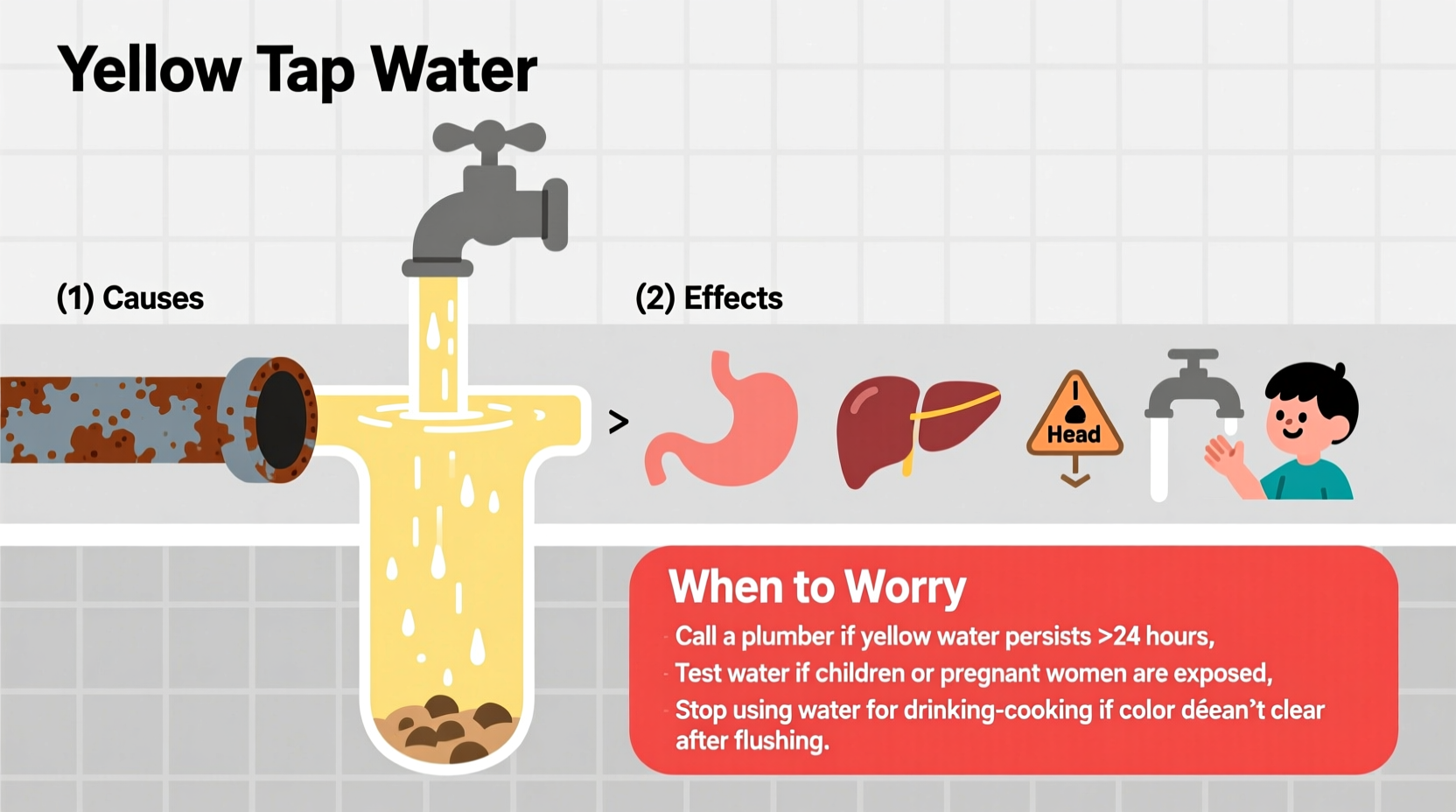 Yellow Tap Water Causes What To Do And When To Worry
Another culprit? Manganese. It’s a metal, not a gas, but when oxidized by oxygen, it turns black or purple-yellow. Fun fact: it looks like someone mixed grape juice with mud. Oxygen is still the gas involved. See the pattern? Oxygen is the busybody of the gas world, meddling with everything.
So, What Should You Do When Your Water Turns Yellow?
First, don’t freak out. Seriously. Most yellow water from oxygen-iron reactions is safe to drink. It might taste metallic, like licking a penny. I don’t recommend that, but you get the point. It’s usually not harmful unless you have kidney issues or are a vampire who only drinks pure water.
Second, check if it’s just your house. If your neighbor’s water is clear, the problem is likely your pipes. Old iron pipes love to rust. If the whole street is yellow, call the water utility. They might be flushing fire hydrants or doing something boring that stirs up sediment. Either way, let the water run for a few minutes. Often, the yellow fades as the pipes clear.
If it doesn’t fade, or if it’s bright yellow like a school bus, you might have organic matter in the water. That’s leaves and dirt releasing tannins. No gas involved—just nature being messy. But that’s a whole other coffee chat.
The Bottom Line (Because You Have Things To Do)
When your water turns yellow, the most common gas behind it is oxygen. It’s the oxygen in the air you breathe, oxidizing dissolved iron in your water. It’s not sexy. It’s not exciting. But it’s the truth. Hydrogen sulfide and chlorine are less common, but they smell worse.
So next time your tap looks like iced tea, take a deep breath. Remind yourself it’s just oxygen being a meddler. Then maybe make a cup of real tea with bottled water. Or embrace the rust. I won’t judge. I’ll just be over here, wondering why my water never gets yellow. Maybe I’m not living dangerously enough.
Now go enjoy your water—clear or yellow. Just don’t use it for a clear-ice challenge. Trust me.
