Texas Water Well Drilling Cost Per Foot 2024 Or 2025

You know you’ve officially become an adult when the sound of your lawn sprinkler makes you wince instead of smile. That’s the moment you start Googling “Texas water well drill...
You know you’ve officially become an adult when the sound of your lawn sprinkler makes you wince instead of smile. That’s the moment you start Googling “Texas water well drilling cost per foot” at 2 AM, wondering if you can afford to stop paying the city for liquid gold. I’ve been there, friend, standing in my backyard with a hose in one hand and a calculator in the other, muttering about “what even is a gallon of water anymore?”
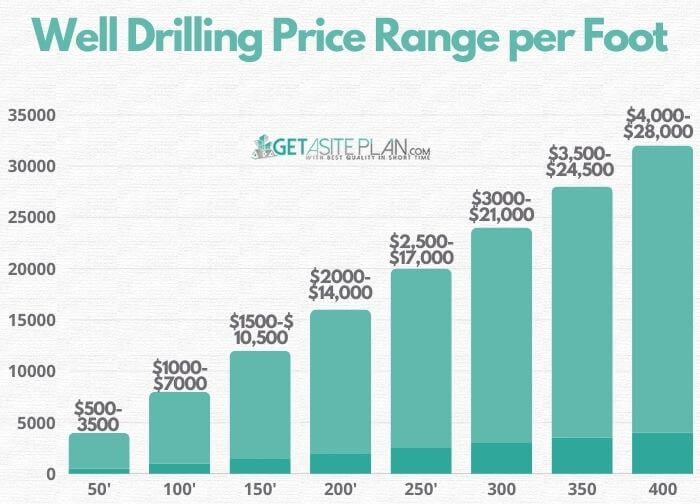
By 2024 and heading into 2025, the price tag for drilling a water well in Texas has become a weird mix of thrilling and terrifying—like ordering a steak you can’t afford but really want. On average, you’re looking at $30 to $65 per foot for a basic well, but that’s just the start of the ride. Think of it as a theme park ticket: you pay for the entry, then discover the roller coaster costs extra.
Breaking the price down so it doesn’t break your bank
The first thing to know is that depth matters, like choosing between a kiddie pool and the ocean. Most residential wells in Texas run between 100 and 400 feet deep, but in some areas—like the Hill Country—you might need to go 600 feet just to find a drop. That’s like digging to the center of the earth, except the earth is full of rocks and your wallet is full of… well, hopes.
Must Read
Then there’s the casing—the pipe that keeps your well from collapsing into a muddy grave. Steel casing costs more than PVC, but it’s tougher than a two-dollar steak. Expect to add $10 to $30 per foot for casing alone, because apparently, water doesn’t like to stay where you put it. If you’ve ever tried to keep a toddler in a bathtub, you’ll understand the struggle.
Extra fees that sneak up like a Texas mosquito
Drilling is only half the story. You also need a pump, a pressure tank, and a permit from your county, which feels like paying a cover charge just to enter the water club. A decent submersible pump will set you back $1,500 to $5,000, depending on how deep you’re pulling from. It’s like buying a fancy straw for the world’s most expensive milkshake.
And don’t forget the water testing—because Texas water can taste like dirt, sulfur, or straight-up minerals. Testing usually costs around $100 to $300, which is cheap compared to the horror of showering in what smells like a rotten egg. I once did that for a week, and my cat refused to sit on my lap. True story.
If you’re in a remote area, the drilling company might charge a mobilization fee—basically, paying them to show up with their big rig. That can be $500 to $2,000, depending on how far they drive. It’s like ordering pizza, but the pizza truck has a 50-ton drill and a diesel bill that hurts.
Why 2024 and 2025 prices feel like a wild ride
The cost per foot has crept up because everyone wants a well after those summer droughts where your Bermuda grass turned to straw. Demand is high, drillers are booked out for months, and materials (like steel and fuel) have gone up faster than a Texan’s blood pressure during a Rangers playoff game. In 2024, some companies quoted $45 to $75 per foot for complex jobs, and 2025 isn’t looking much kinder—like inflation decided to move into your backyard.
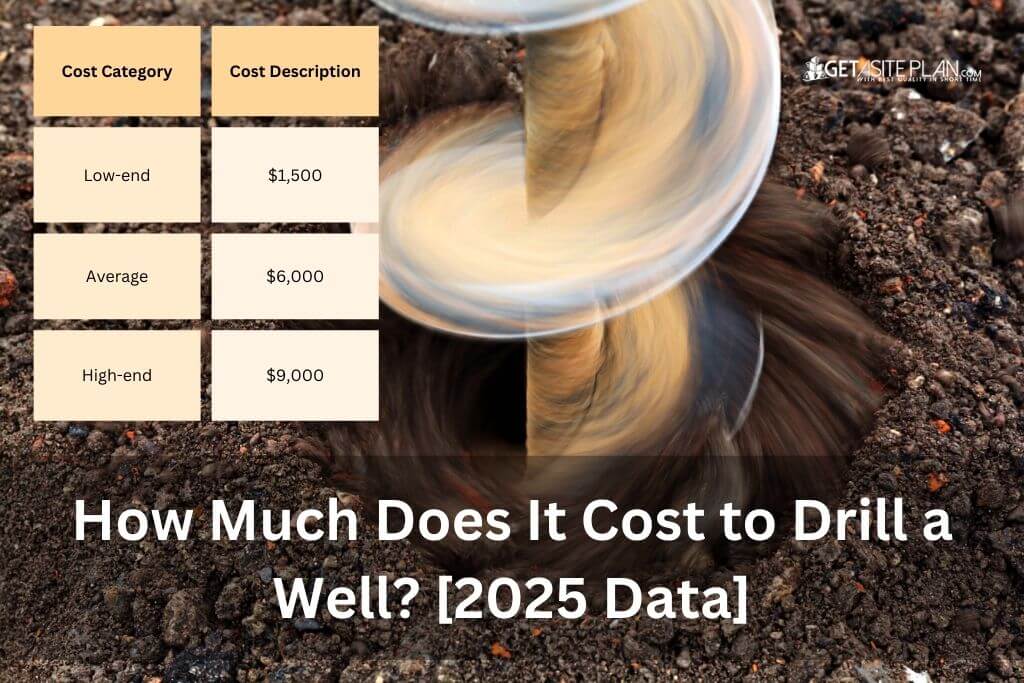 Digging a Well - How To, Regulations and Permits - GetASitePlan
But here’s the funny part: a well can save you thousands over time. If you’re on municipal water, you’re paying for the city’s broken pipes, their lawyers, and their Christmas party. A well is like cutting the middleman—except the middleman is your own water bill. Once you’re drilled, your only expense is electricity for the pump and the occasional filter change. It’s like switching from a fancy sushi restaurant to catching your own fish.
The “I knew a guy” factor in well drilling
Everyone in Texas knows someone who drilled a well for “$15 a foot back in '92,” but those stories are as mythical as the Chupacabra. Prices have changed, and the only way to get a fair deal is to get three quotes from licensed drillers. Don’t trust the guy who shows up in a pickup truck with a shovel and a dream—he’s probably going to hit a rock and charge you for the therapy.
Also, be ready to wait. In late 2024, some drillers in Central Texas had a six-month backlog. That means you’ll be staring at your dry lawn, sipping bottled water, and wondering if you should have just bought a bigger rain barrel. I waited seven months, and by the time they arrived, I had memorized the entire menu of my local water delivery service.
One final tip: never let the driller talk you into a “dry test” without a written contract. If they hit water, great—if not, you’re paying for a hole in the ground that’s just a very expensive garden feature. I’ve seen a guy’s well come up dry, and he now uses it as a “conversation pit” for his backyard parties. He charges neighbors a dollar to throw coins in it. That’s Texas ingenuity right there.
So, is drilling worth it? If you love water independence, hate monthly bills, and enjoy a good adventure that involves heavy machinery and a lot of dust—absolutely. Just remember: cost per foot is only part of the equation. The rest is patience, a sense of humor, and maybe a backup plan involving a rain dance. Welcome to Texas well ownership—where the water is free, but the journey costs you a king’s ransom and a few gray hairs.
