Should There Be Water In My Water Softener Salt Tank

You know that feeling when you pour a glass of water and it just tastes clean? No weird metallic hint, no chalky feeling on your tongue. That’s often the quiet heroism of your...
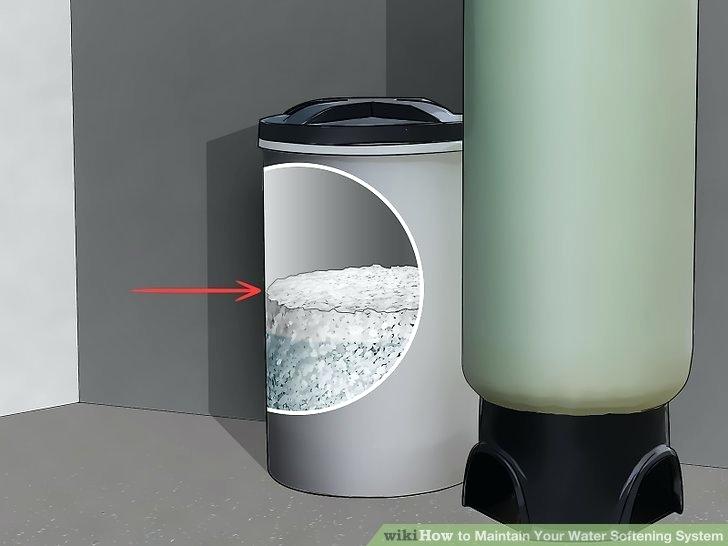
You know that feeling when you pour a glass of water and it just tastes clean? No weird metallic hint, no chalky feeling on your tongue. That’s often the quiet heroism of your water softener at work. But then you peek inside its salt tank and think, “Should there be water in here?” It’s like opening the closet and finding a shoe where your umbrella should be—confusing, but likely fine.
Relax. A little water in your water softener salt tank is not just normal—it’s essential. Think of it as the tank’s “coffee cup” for the salt. Without water, the salt can’t dissolve and do its job of scrubbing those hard minerals out of your pipes. It’s like trying to make soup without broth; you’ve got the seasoning, but nothing’s happening.
The Sweet Spot: Not Too Full, Not Too Empty
If your tank looks like a miniature swimming pool, you might have a problem. But a few inches of water—usually between 6 and 12 inches—is exactly what you want. Imagine a kiddie pool on a hot day: a nice, shallow splash is perfect; a flood means someone forgot to turn off the hose.
Must Read
Why does this matter to you? Because the wrong water level means either crunchy hard water buildup on your showerhead or a salty surprise in your tea. Neither sounds like a good morning, trust me. My cousin once ignored her tank for six months and her coffee maker started hissing like an angry cat—all limescale.
The “Bridging” Problem (No, Not That Kind)
Sometimes, the water level looks fine, but the salt has formed a hard crust on top—a “salt bridge.” It’s like a crusty lid on a jar of honey. The water sits under the bridge, unable to touch the salt, so your system runs dry while thinking it’s full. Check by gently poking the salt with a broom handle. If it feels like concrete, break it up.
Another common worry: “Is the water supposed to be this cloudy?” Yes, it is. That’s just dissolved minerals and salt doing their happy dance. It’s not dirty, it’s working. Think of it as the tank’s “sweat”—a little gross-looking, but totally honest labor.
Signs Your Tank Needs a Check-Up
If your water suddenly tastes salty, that’s a red flag. It means the water level is too high, and the softener is leaking salt brine into your drinking water. Time to call a plumber, or at least watch a YouTube repair video with a brave attitude. Also, if you hear a loud “gurgle” sound every night, don’t worry—that’s just the system flushing. It’s basically burping after a big meal of hard water.
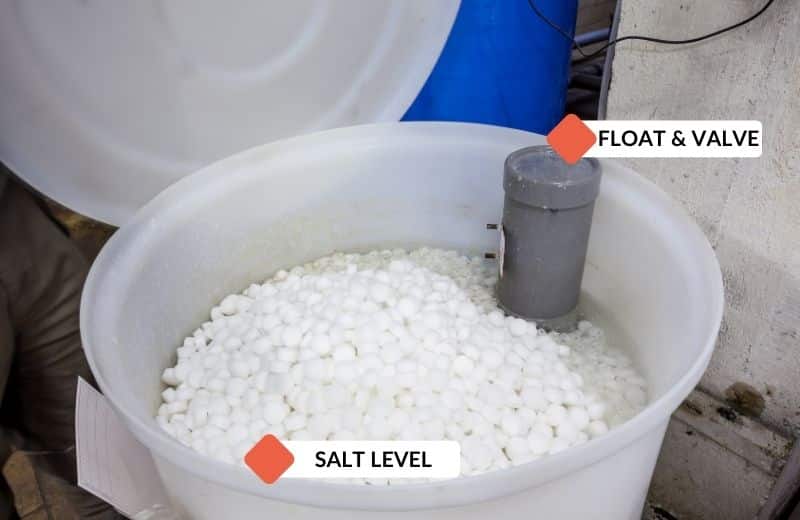 Water Softener Maintenance & Service
But if the tank is dry as a bone? That’s bad. It means the softener is trying to regenerate with no salt. You’ll start noticing white crust on your dishes, and your laundry will feel stiff, like cardboard. No one wants a scratchy towel after a shower.
The Simple Routine You Can Actually Stick To
Check your salt tank once a month. That’s it. Just lift the lid, peek in, and ask yourself: “Does it look like a soupy swamp (good) or a dusty desert (bad)?” If it’s dry, add salt until the water is covered. If it’s too watery, your float valve might be stuck—but that’s a project for another weekend.
Remember: a water softener is like a pet. It doesn’t need walks, but it does need a little attention and the occasional bag of salt from the store. Give it that, and it’ll give you silky smooth water for years. And honestly, isn’t a shower that feels like a gentle waterfall worth a monthly peek under the lid?
So next time you see water in that tank, smile. It’s not a leak, it’s not a mistake—it’s your softener breathing. Just keep the salt level above the water line, and you’ll be the hero of your own plumbing story. Cheers to that.
