Restaurant Water Filtration System For Removing Lead

You know that moment when you’re at your favorite diner, and the waiter brings your water. It’s in a glass so thick it could double as a paperweight. You take a sip, and it ta...
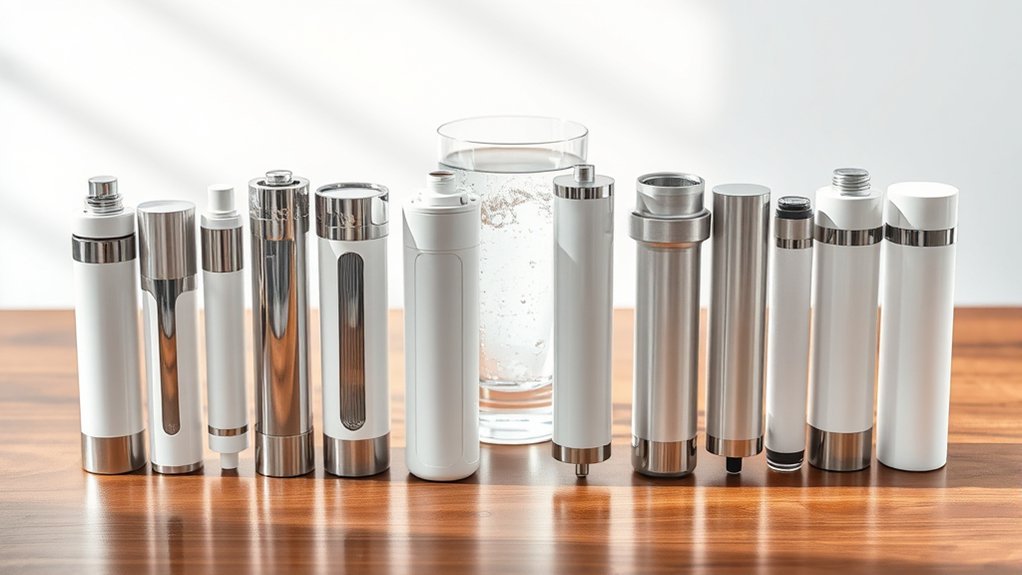
You know that moment when you’re at your favorite diner, and the waiter brings your water. It’s in a glass so thick it could double as a paperweight. You take a sip, and it tastes… fine. But then you remember that lead thing you saw on the news, and suddenly that sip feels a little less innocent. It’s like finding out your favorite pair of jeans has a hidden hole in the pocket—nothing bad has happened yet, but the worry is real.
Restaurants have it rough. They’re juggling hot soup, cold salads, and a kitchen that sounds like a metal concert. The last thing a chef wants is to worry about the water coming out of the tap. That’s where a restaurant water filtration system for removing lead comes in, like a superhero wearing a plumber’s uniform. It’s not flashy, but it’s the difference between peace of mind and a city-wide health scare.
The Quiet Hero of the Kitchen
Imagine if your coffee maker started serving up a side of heavy metal. Not the cool, electric guitar kind—the “this might make you sick” kind. Lead can sneak into water from old pipes, and restaurants, especially older ones, are prime real estate for this problem. A good filtration system is like a bouncer at a club, checking every single drop for ID before letting it pass.
Must Read
I once ate at a place where the water tasted like a rusty penny. I joked it was the “house special,” but the owner looked embarrassed. He later told me he installed a lead-removing filter after that night. Now his water is crisp, clear, and I no longer feel like I’m chugging vintage plumbing.
Why Your Taste Buds (and Body) Will Thank You
Let’s be real: most of us can’t taste lead. It’s not like cilantro, where you’re either in love or you’re fleeing the room. But if the water is weird—a little metallic, a little cloudy—your lizard brain knows something’s off. A filtration system scrubs that ickiness out, so your iced tea actually tastes like tea, not a science experiment.
Chefs care about this more than you think. A chef friend of mine says water is the “silent ingredient” in everything. From boiling pasta to making soup, if the water’s dirty, the whole dish is dirty. Installing a lead filter isn’t just about safety; it’s about pride. Nobody wants their signature clam chowder to come with a side of panic.
The Awkward “What’s That Filter?” Conversation
You ever notice how some restaurants have those big, shiny water filtration systems behind the counter? They look like alien technology. It’s almost showy. But the best systems are the ones you never see—hidden under the sink, working harder than a line cook on a Friday night. They don’t brag; they just filter.
I once asked a server about the white box under their prep table. She laughed and said, “Oh, that? That’s our lead removal thingy. The owner got it after his mom read one article about Flint.” That’s the truth: it often takes a personal story or a news headline to get the ball rolling. Then suddenly, everyone’s a water quality expert.
The Cost vs. The Worry
Let’s talk money, because nobody likes a surprise bill. A decent restaurant-grade filtration system for lead removal isn’t cheap. You’re looking at a few hundred to a few thousand bucks, depending on the size and the plumbing nightmare. But compare that to a lawsuit, bad Yelp reviews, or a health department shutdown. Suddenly, that filter looks like a bargain.
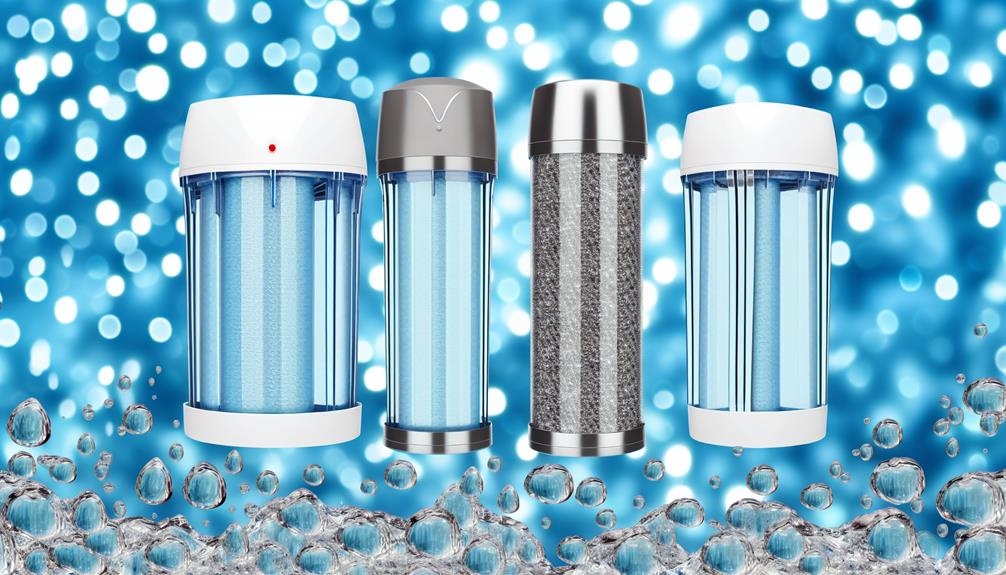 Top 12 Lead-Removing Water Filters Reviewed - Water Filter Stuff
Think of it this way: you wouldn’t drive a car without brakes, right? Well, lead in water is like driving a car with spongy brakes. It might stop, but you’re sweating every time. For a restaurant owner, that filter is the brake pad—they’ll never know how much they needed it until they don’t have it.
The Surprising Bonus: Better Soda and Ice
Here’s a fun fact that’ll make you the hit of dinner: soda fountains are usually hooked directly to the water supply. That means the cola you’re sipping? It’s only as clean as the tap water. A lead filter means your Diet Coke won’t have a subtle “basement floor” aftertaste. And ice? It’s basically frozen water. If the water’s sketchy, the ice is just cold lead cubes. No thanks.
I swear, after a good filter, the fizz in your soda comes alive. It’s like the bubbles are happy again. The ice clinks in your glass with a crispness that says, “We’ve got this under control, buddy.”
What to Look For (Without a PhD in Chemistry)
If you’re a restaurant owner, or just a nosy customer who likes to ask questions, here’s the simple guide: look for systems that say “NSF/ANSI Standard 53” for lead reduction. That’s the gold standard. It’s like the “organic” label for your sink. Also, ask about maintenance—filters need replacing, or you’re just paying for a fancy decoration.
And if you’re a diner, pay attention. Does the water taste clean? Are there any weird stains around the faucet? If something feels off, order a bottle of beer instead. No judgment. Your kidneys will thank you.
Final Sip of Wisdom
At the end of the day, a restaurant water filtration system that removes lead is a bit like good posture. Nobody claps for it, but it keeps everything from collapsing. It’s a quiet, unsexy investment that says, “We care about you more than we care about our profit margin for the month.”
So next time you’re at a café and the water is just right—clean, cool, and utterly unremarkable—raise that glass. Toast the hidden filter under the counter. It’s doing God’s work. And if the water tastes a little funny? Well, maybe it’s time to find a new joint. Your liver is not a water filter.
