Who Is Responsible For Manhole Covers On My Property

So, you’ve just discovered a mysterious iron donut in your front yard—the humble manhole cover. Maybe it’s humming, maybe it’s rusted, or maybe you tripped over it while chasi...
So, you’ve just discovered a mysterious iron donut in your front yard—the humble manhole cover. Maybe it’s humming, maybe it’s rusted, or maybe you tripped over it while chasing a runaway garden gnome. Now you’re staring at it, thinking, “Who owns this metal pancake, and why is it on my land?”
Relax. You didn’t accidentally buy a sewer system in escrow. The truth is both simple and absolutely maddening, like trying to assemble furniture from a certain Swedish store.
The Great Cover-Up: It’s Probably Not Yours
First, the shocking fact: you probably don’t own that manhole cover, even if it’s smack-dab in the middle of your petunias. In most places, manhole covers and the pipes underneath belong to the utility company or the municipal government.
Must Read
Think of it as a tiny, heavy landmine of public infrastructure that just happens to live in your backyard. You have the grass, they have the iron. Fun, right?
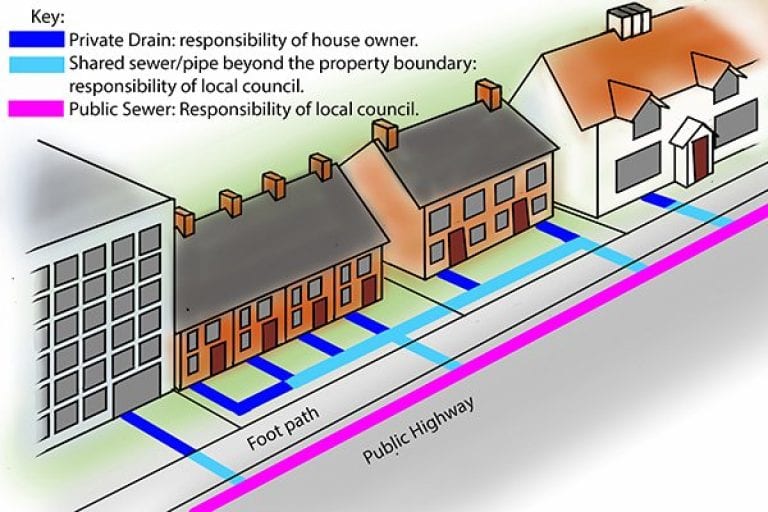
But wait—before you grab a crowbar and claim it as a family heirloom, know this: if it’s a private drain (like a pipe from your house to the street), that cover is your problem. Yes, you. Surprise!
How to Tell Who’s the Lucky Owner
Look at the cover. If it says something exciting like “SEWER” or “WATER”, it’s probably the city’s. If it’s a plain, unmarked circle of doom, it might be yours for a septic tank or a forgotten well.
Here’s a pro tip: lift the cover (with extreme caution, please don’t break your back). If you see a pipe the size of your arm, it’s likely a public utility. If you see a pipe the size of a garden hose and a smell like your ex’s gym bag, that’s yours.
Still confused? Call your local water department. They love this phone call—I promise. Nothing brings joy to a civil servant’s day like a homeowner asking, “Am I the proud owner of a stinky metal frisbee?”
The Great Escape: Who Pays When Things Go Wrong?
Now for the real drama. Let’s say your car drives over that cover and it flips up like a witchcraft-academy trapdoor—ka-ching!—and you need a new suspension.
Good news: If it’s a public manhole cover, the city or utility is responsible. You can file a claim, and maybe, just maybe, you’ll get a check before your grandchildren retire. Bad news: If it’s your private cover, start shopping for a new car.
Fun fact: manhole covers weigh between 80 and 300 pounds. That’s heavier than a large dog, a toddler, or your internet router. So when they break, they break big. One city in Ohio spent $1.2 million replacing a set of old covers. Yes, taxpayers bought the heaviest Oreos ever made.
 6 Ways Replacing A Manhole Cover Benefits | Construction How
But What If It’s Stealing My Lawn?
You might be thinking, “That ugly gray circle is ruining my landscaping aesthetic!” I feel you. That cover has the charisma of a parking lot.
Don’t paint it—utility companies hate that. Don’t cover it with a ceramic gnome either. One guy in Texas planted a rose bush over his, and the city sued him for obstruction of a public utility. The roses lost. The manhole won.
Your move? Accept your iron overlord. Or plant some ferns around it that frame the cover like a weird art piece. Call it “Post-Industrial Garden Chic.”
The Nightmare Scenario: The Missing Cover
Imagine coming home to find your manhole cover gone. Maybe a thief stole it (scrap metal prices, baby!), or maybe a storm washed it into another dimension. Now you have a gaping, dark hole in your yard.
This is an emergency. If it’s public, call 911 or the utility immediately—don’t text, don’t email. If it’s your cover, grab a heavy plywood sheet and some cones. You are now the guardian of the abyss. Congratulations.
Here’s a weird fact: round manhole covers can’t fall into their own holes—because the diameter is constant. That’s why they’re round. Square ones can drop in diagonally. So if you see a missing square cover, someone screwed up physics.
So, What’s the Bottom Line?
You are responsible for the cover if it’s for a pipe that only serves your property. You are not responsible if it’s for a street or neighborhood system. But you are responsible for not messing with it either way.
Think of it like this: the manhole cover is the ugly guest at your property party. You didn’t invite it, you can’t kick it out, but you can complain about it loudly on Nextdoor.
The safest bet? Ignore it gracefully. Mow around it, don’t park on it, and never, ever, ever try to open it on a first date.
