A Surplus Of Energy In A Hydrated Alkaline Environment

So, picture this: I’m standing in my kitchen, staring at a half-empty bottle of fancy alkaline water that my friend swore would "change my life." I take a big gulp, expecting...

So, picture this: I’m standing in my kitchen, staring at a half-empty bottle of fancy alkaline water that my friend swore would "change my life." I take a big gulp, expecting a spark or at least a humming sensation. Instead, I get a burp and a vague feeling of overpriced disappointment.
Then, a week later, I’m at a gardening store, and the guy tells me he waters his prize-winning tomatoes with alkaline water mixed with a pinch of baking soda. "Gives ‘em energy," he says, winking. That’s when it hit me: maybe the hype isn’t about drinking it, but about what happens when you have a surplus of energy in a hydrated alkaline environment.
We’re not talking about a science lab here—though, you know, we kind of are. But stay with me. Think of it like this: your body is a battery, and water is the liquid that keeps the circuits from frying. An alkaline environment? That’s the pH setting that prevents the battery from corroding.
Must Read
The Spark of Life (Literally)
Your cells are tiny power plants, running on a molecule called ATP. To make ATP, they need a steady flow of protons—like water flowing over a waterwheel. This flow happens best when the surroundings are alkaline, meaning low in free hydrogen ions.
When you’re well-hydrated and alkaline, your cells don’t have to fight to keep their pH balanced. They can just focus on cranking out energy. It’s like giving your metabolic engine a clean, high-octane fuel.
But wait—there’s a catch. You can’t just chug alkaline water and expect to glow. The real surplus happens inside your mitochondria, where electron transport chains get a little boost from the right pH gradient.
Where Does This "Surplus" Actually Go?
Imagine your body as a chaotic party. Everyone’s dancing (that’s your metabolism), but the DJ keeps playing static because the speaker wires are frayed. A hydrated alkaline environment is like rewiring those speakers—suddenly, the energy flows clean and loud.
People who report feeling "buzzed" after alkaline water? That’s their mitochondria throwing a rave because the proton gradient is ideal. Your cells produce more ATP with less effort, leaving a surplus that your brain interprets as focus or calm.
Of course, your stomach acid immediately neutralizes most of that alkalinity. So the effect is more about supporting your body’s natural buffers than flooding them with base. (Shh, don’t tell the wellness influencers.)
The Irony of Hydration Hype
Here’s the ironic part: your body already has a master system for handling pH—your kidneys and lungs. They work 24/7 to keep your blood at a steady 7.4 pH. But when you’re dehydrated, that system gets slow, creating a tiny acidic drift.
An acidic drift is like a slow leak in your energy battery. You might feel tired, foggy, or just… meh. Rehydrating with slightly alkaline water can reverse that drift, giving your cells the surplus they need to pop back to life.
So, the "surplus of energy" isn’t magic—it’s just your cells saying, "Finally, someone fixed the pH! Now we can party." And yes, that party is literally electrical current moving across mitochondrial membranes. Nerd alert? You bet.
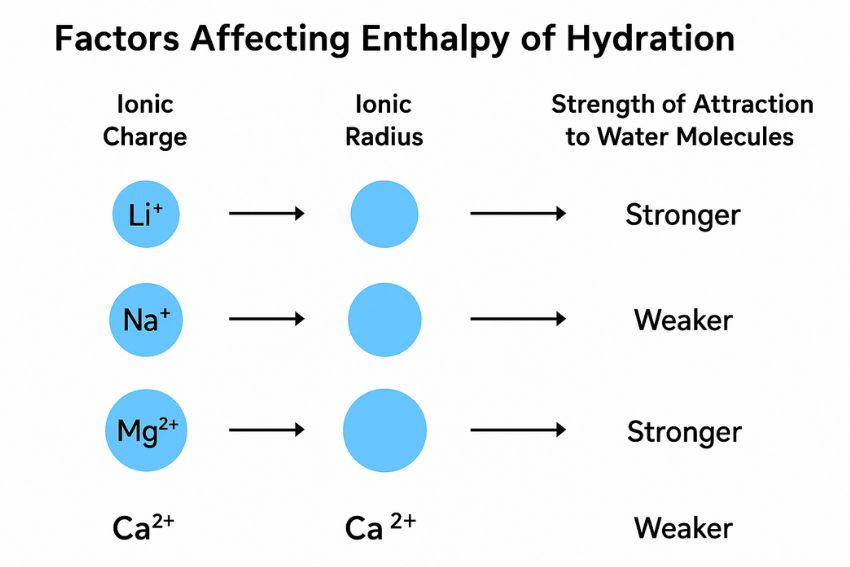 Hydration Energy Is Inversely Proportional To
But Wait—Does This Actually Work?
Let’s get real for a second. The scientific jury is still out on whether bottled alkaline water does much. Most studies show minimal impact on overall energy levels in healthy people. Sorry to burst your bubble, pun intended.
However, if you’re in a state of chronic dehydration or high acidity (from stress, poor diet, or a hangover), that’s where the magic can happen. You’ll feel the surplus because you’re fixing a deficit, not because you’re supercharging a full tank.
Personally, I’ve found that adding a squeeze of lemon—which is acidic but turns alkaline in your body—to my water gives me a noticeable lift. It’s like my cells do a little happy dance. Your mileage may vary, obviously.
The Unseen Energy Hoarders
Think about all the things that drain your energy: inflammation, infections, mental stress. All of those create acidic conditions in your tissues. A hydrated alkaline environment helps calm that acidity down, freeing up energy that was being used to fight the fire.
It’s like your body secretely hoards ATP to deal with threats. Removing the threats (by hydrating and buffering pH) unlocks that hoard. Suddenly, you have spare energy for thinking, moving, or binge-watching your favorite show without crashing.
Does that mean you should go buy a fancy water ionizer? Nah. But it does mean that drinking plain water with a pinch of baking soda (don’t do this daily without talking to a doc) replicates the effect. It’s cheap, it’s effective, and it’s hilariously low-tech.
A Final, Slightly Sarcastic Note
So, the next time someone tells you alkaline water gives them "boundless energy," feel free to nod politely. But in your head, you’ll know the truth: it’s about giving your mitochondria the right environment to produce a surplus of ATP. They’re like tiny, greedy power plants that just need a little alkaline love.
And if you ever feel that sudden burst of clarity after a big glass of water? That’s not placebo. That’s your cells saying, "Oh, finally, the CEO remembered to hydrate." You’re welcome.
Now, if you’ll excuse me, I need to go refill my water bottle—lightly alkaline, obviously—before my own energy surplus dips into deficit territory. Cheers to getting lit, one pH unit at a time.
