Sodium Thiosulfate For Chloramine Removal Effectiveness

There are few things more quietly luxurious than a perfect shower. The kind where steam curls like morning fog, and the water pressure hits just that sweet spot on your should...

There are few things more quietly luxurious than a perfect shower. The kind where steam curls like morning fog, and the water pressure hits just that sweet spot on your shoulders. But for millions of us, that bliss comes with a chemical hitch: chloramine. This widely-used disinfectant is great for keeping our water safe, but it can leave your skin feeling like parchment and your hair with a questionable, greenish tinge.
Enter the unsung hero of many a plant parent and fish keeper: Sodium Thiosulfate. Yes, the name sounds like something from a Breaking Bad chemistry set, but this humble compound is a gentle giant in the world of water treatment. Its main job? Neutralizing chloramine with a quiet, almost magical efficiency that makes your tap water closer to what nature intended.
The Chemistry of a Chill Reset
Let’s get one thing straight: chloramine isn’t your enemy. It’s a chlorine-ammonia compound that’s more stable than chlorine alone, meaning it stays in your pipes longer to kill off nasty bugs like Giardia. The problem is that same stability makes it tough on your microbiome—the delicate ecosystem on your skin and in your gut.
Must Read
Sodium thiosulfate works like a bouncer at a very exclusive club. It chemically reduces the chloramine, breaking the nitrogen-chlorine bond and transforming it into harmless chloride ions and ammonium. The result is water that’s still perfectly safe but far less aggressive. It’s the difference between a crisp white wine and a cheap vodka shot—both will do the job, but one is far more pleasant.
Where the Magic Actually Matters
This isn’t just about showering. If you keep a betta fish named Sir Reginald the Third, you already know that tap water straight from the faucet is a death sentence. A few drops of sodium thiosulfate solution (often sold as dechlorinator) can save your aquatic friend from gill damage. Similarly, if you’re an obsessive houseplant parent who uses tap water, you’ve likely seen the brown leaf tips on your calathea. That’s chloramine burn, plain and simple.
Here’s a practical tip: Look for products labeled “sodium thiosulfate” or “dechlorinator” at your local pet supply store. A small bottle costs less than your morning oat milk latte and treats hundreds of gallons. For showers, whole-house filters with catalytic carbon do the job, but for quick fixes—like watering a thirsty Monstera—a few drops in a watering can is chef’s kiss.
Fun Fact: The Hollywood Connection
Here’s a little trivia for your next dinner party. Sodium thiosulfate used to be a core ingredient in photographic fixer. Before digital cameras, photographers would use it to remove unexposed silver halide from film, “fixing” the image permanently. So next time you dechlorinate your aquarium, you’re using the same chemistry that developed your grandparents’ wedding photos. Talk about a glow-up.
Another fun tidbit: it’s also used medically to treat cyanide poisoning. Yes, really. That same bottle of white powder that saves your goldfish can theoretically save your life in a very specific, dramatic emergency. Let’s hope you never need that application.
Is It Really That Effective?
Science says yes. When sodium thiosulfate meets chloramine, the reaction is nearly instantaneous. Studies show that a 4:1 ratio of thiosulfate to chloramine by weight completely neutralizes the compound within seconds. That’s faster than you can say “I need to call a plumber.” The only catch? It doesn’t remove the ammonia byproduct, which is fine for showering but can be an issue for sensitive fish. For most home uses, it’s a total win.
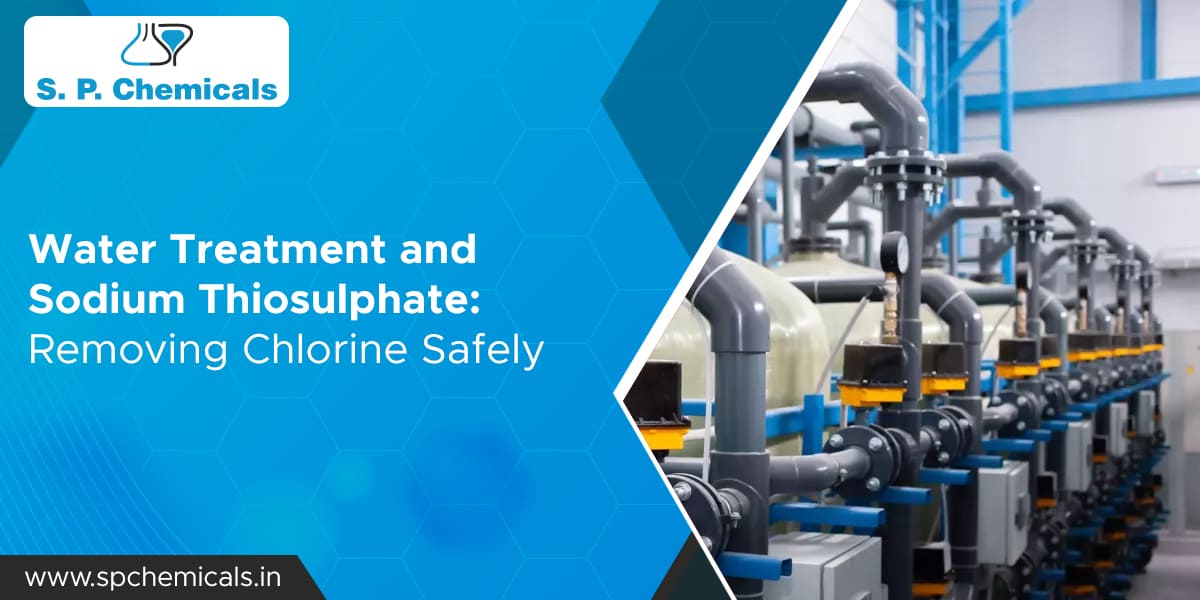 Water Treatment and Sodium Thiosulphate Removing Chlorine Safely
But—and here’s the gentle panel of reality—sodium thiosulfate doesn’t filter out heavy metals, pesticides, or microplastics. It’s a targeted tool, not a magic wand. If your water smells like a swimming pool, this will tame the chlorine smell. If it tastes like dirt, you need a different solution.
How to Use It Like a Pro
For your plants: Fill a watering can, add one drop of concentrated dechlorinator per gallon, swirl, and wait one minute. Your ferns will thank you with a deeper green that rivals a Scottish highland. For your hair: If you’re battling brassiness or dry scalp, rinse with filtered or treated water. A post-shower spray bottle with thiosulfate-treated water can be a game-changer for color-treated hair.
Pro tip: Don’t overdo it. Too much sodium thiosulfate can actually lower the oxygen level in water (it’s a mild reducing agent). A little reverence for the dosage goes a long way. Stick to the instructions on your bottle, and you’ll be golden.
A Cultural Nod to Simpler Solutions
In a world obsessed with expensive gadgets—smart faucets, reverse osmosis systems, and $400 water ionizers—sodium thiosulfate feels refreshingly analog. It’s a reminder that sometimes the best fix comes in the simplest form. Like a cast iron skillet or a good pair of wool socks, it’s unpretentious, effective, and quietly reliable.
Think of it as the Mister Rogers of water chemistry. No drama, no hype, just a calm, steady solution that makes your environment a little softer, a little safer, and a whole lot more livable.
Final Reflection: The Ritual of Clean Water
There’s a quiet pleasure in knowing exactly what’s in your water. It’s not about paranoia; it’s about tuning in. When you treat your tap water with a few drops of this microscopic marvel, you’re actively participating in the quality of your daily life. You’re choosing to protect the fragile ecosystem of your skin, your plants, and your little finned friend.
So next time you sip a glass of water or step into a steamy shower, remember: good chemistry is good living. The molecules are doing their quiet work, and you can relax into the simplicity of it. After all, sometimes the best things come in the smallest, most unexpected packages. Even if they sound like they belong in a high school lab.
