How Often Should I Manually Regenerate My Water Softener

Let’s be honest: your water softener isn’t exactly the star of your kitchen counter. It’s the quiet workhorse, the unsung hero of silky hair and spotless glasses. Yet, like an...
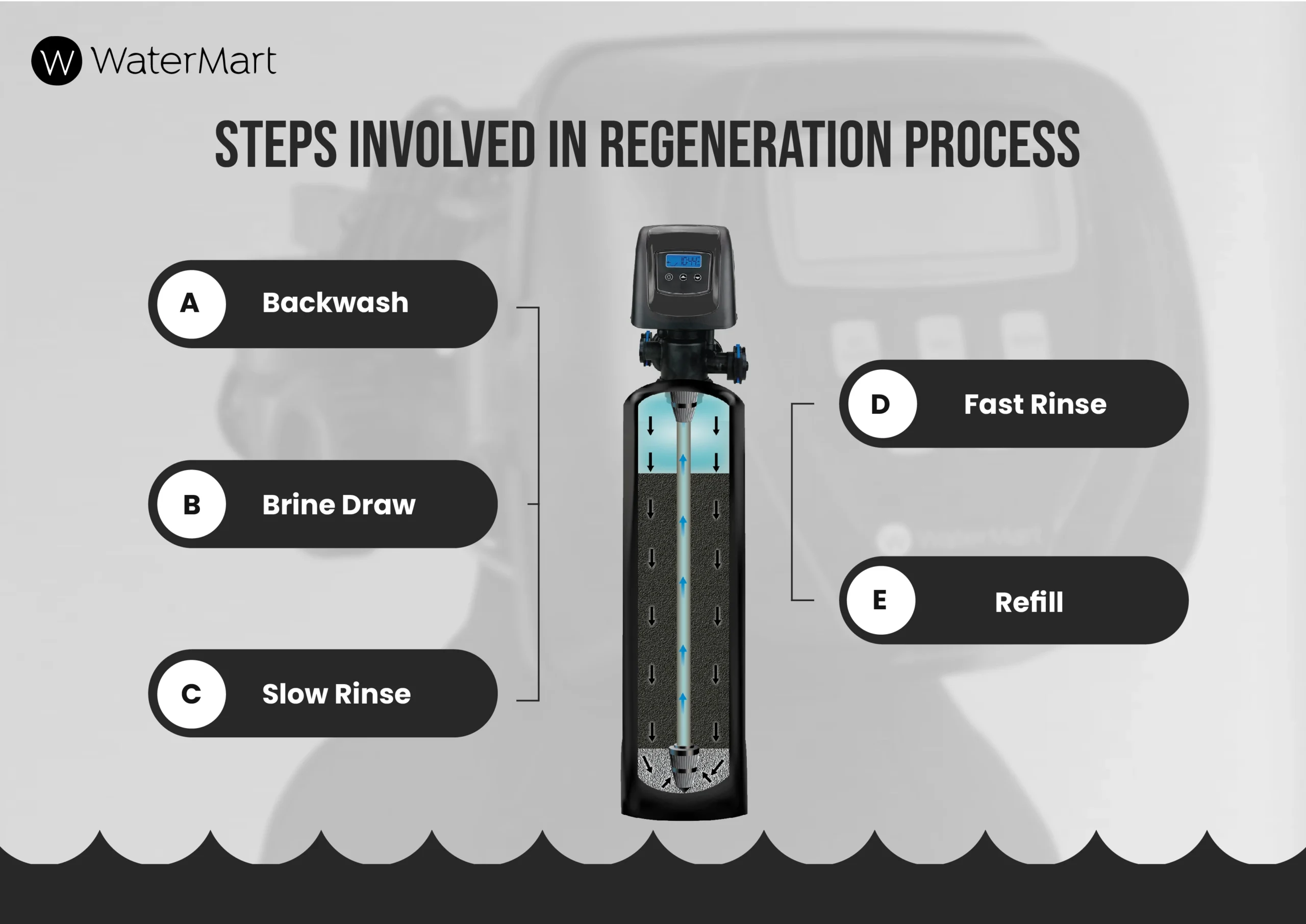
Let’s be honest: your water softener isn’t exactly the star of your kitchen counter. It’s the quiet workhorse, the unsung hero of silky hair and spotless glasses. Yet, like any hardworking sidekick, it needs a little TLC—specifically, a manual regeneration. But how often should you actually press that button? The answer isn’t one-size-fits-all, but with a few insights and a dash of modern wisdom, you’ll nail the rhythm.
The Golden Rule: Listen to Your Water
Your softener regenerates automatically, usually on a timer or by sensing water usage. But life happens—guests double the shower count, or a garden hose runs for hours. That’s when manual regeneration becomes your secret weapon. Think of it like manually resetting your brain after a long week.
The golden rule? Regenerate when your water feels hard again—squeaky clean skin, soap that won’t lather, or that telltale white buildup on faucets. For most households, that’s every two to four weeks between automatic cycles. But if you’re in a hard-water hotspot (hello, Midwest and Southwest), you might need it weekly.
Must Read
Fun fact: the average American home uses about 300 gallons of water per day. Your softener processes a chunk of that, and manual regeneration is like giving it a coffee break to catch its breath.
The Bride Wars Indicator
Remember the movie where Anne Hathaway’s character gets that perfect, squeaky-clean hair? That’s your goal. When your water starts feeling less like a spa treatment and more like a chalkboard scratch, it’s time. Another sign: your dishwasher leaves spots that look like modern art gone wrong.
Here’s a practical tip: once a month, take a clean glass and rinse it in the sink. If it dries with a foggy film, your resin beads are begging for a manual regeneration. It’s the Marie Kondo method for your pipes—clear the clutter.
The Science of Salt and Schedules
Manual regeneration isn’t just a chore; it’s a ritual. The process flushes out accumulated minerals and recharges the resin beads with sodium. Overdoing it wastes salt and water, while underdoing it leaves you with hard-water woes. The sweet spot? Every 10 to 14 days as a baseline for medium-hard water.
For the eco-conscious: each regeneration uses about 50 gallons of water—roughly the equivalent of two long showers. So don’t go trigger-happy. Instead, pair manual regens with low-water settings if your unit allows. Your water bill will thank you.
Cultural reference alert: in Japan, the concept of kaizen—continuous improvement—applies here. Small, consistent manual regenerations beat a frantic annual deep clean. Your softener isn’t a deadline; it’s a rhythm.
When Life Throws You Curveballs: Vacations and Parties
You just returned from a beach vacation, and your water smells like a swimming pool. Or you hosted a dinner party with 12 guests. After heavy usage, always run a manual regeneration within 24 hours. It’s like resetting your phone after downloading too many apps—clean slate.
Going away for a month? Set your softener to vacation mode, or schedule a manual regeneration the day you return. Pro tip: don’t regenerate while you’re gone unless you have an iron-clad timer. Standing water in the brine tank can breed bacteria. Yikes.
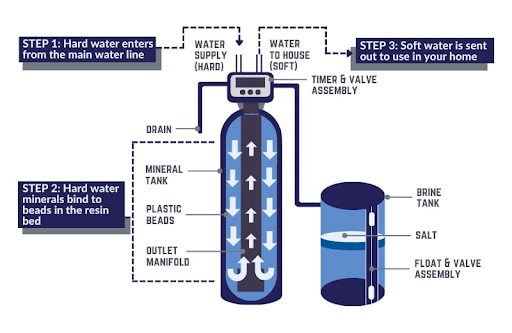 Can I Use Water While a Water Softener is Regenerating?
Fun fact: the first water softener was invented in 1903 in Wisconsin. They didn’t have manual controls then—just a bucket and grit. You’ve got this easy.
The Signs That Scream “Regen Me”
Your softener has its own body language. Watch for these red flags: a sudden drop in water pressure, a gritty feel on your skin, or a weird salty taste in your drinking water. That last one means the brine tank is oversaturated, and a manual regen can flush it out.
Another clue: your laundry detergent isn’t lathering. Hard water fights soap like a stubborn toddler. One quick manual regeneration can fix that in an hour. Then, rinse and repeat—literally.
And here’s a tiny life hack: set a monthly reminder on your phone with a fun emoji (like a salt shaker). It makes the task feel less like work and more like a small act of self-care for your home.
The “Don’t Overthink It” Approach
If you’re still unsure, default to every three weeks. It’s the Goldilocks zone for most families. You can adjust based on usage—more during summer barbecues, less in quiet winter months. Your softener isn’t judging you.
For the tech-savvy: many modern units have smart sensors that track water hardness. Override them manually once a month anyway. Why? Because machines don’t have gut feelings, and you do. Trust your senses—smooth skin, clear glass, happy coffee.
Cultural reference: in Italy, there’s a saying, “Il dolce far niente”—the sweetness of doing nothing. But with your water softener, a little manual action is the sweet spot between neglect and obsession.
Reflection: A Softener’s Lesson for Daily Life
So, how often should you manually regenerate your water softener? As often as you need to feel the difference—not more, not less. It’s a dance between technology and intuition, salt and time. In a world that pushes us to automate everything, sometimes the most satisfying reset is the one we choose to press.
Think of it as a tiny act of mastery over your environment. You control the flow, the minerals, the calm. And when that first glass of water comes out crystal clear, you’ll know you got the timing just right. Cheers to clean, easy-going living.
