Who Makes Potable Water Systems For Commercial Buildings

You know that blissful feeling when you chug a glass of water from an office cooler, and it’s so crisp it tastes like a hug from a mountain spring? Yeah, that magic doesn’t ju...
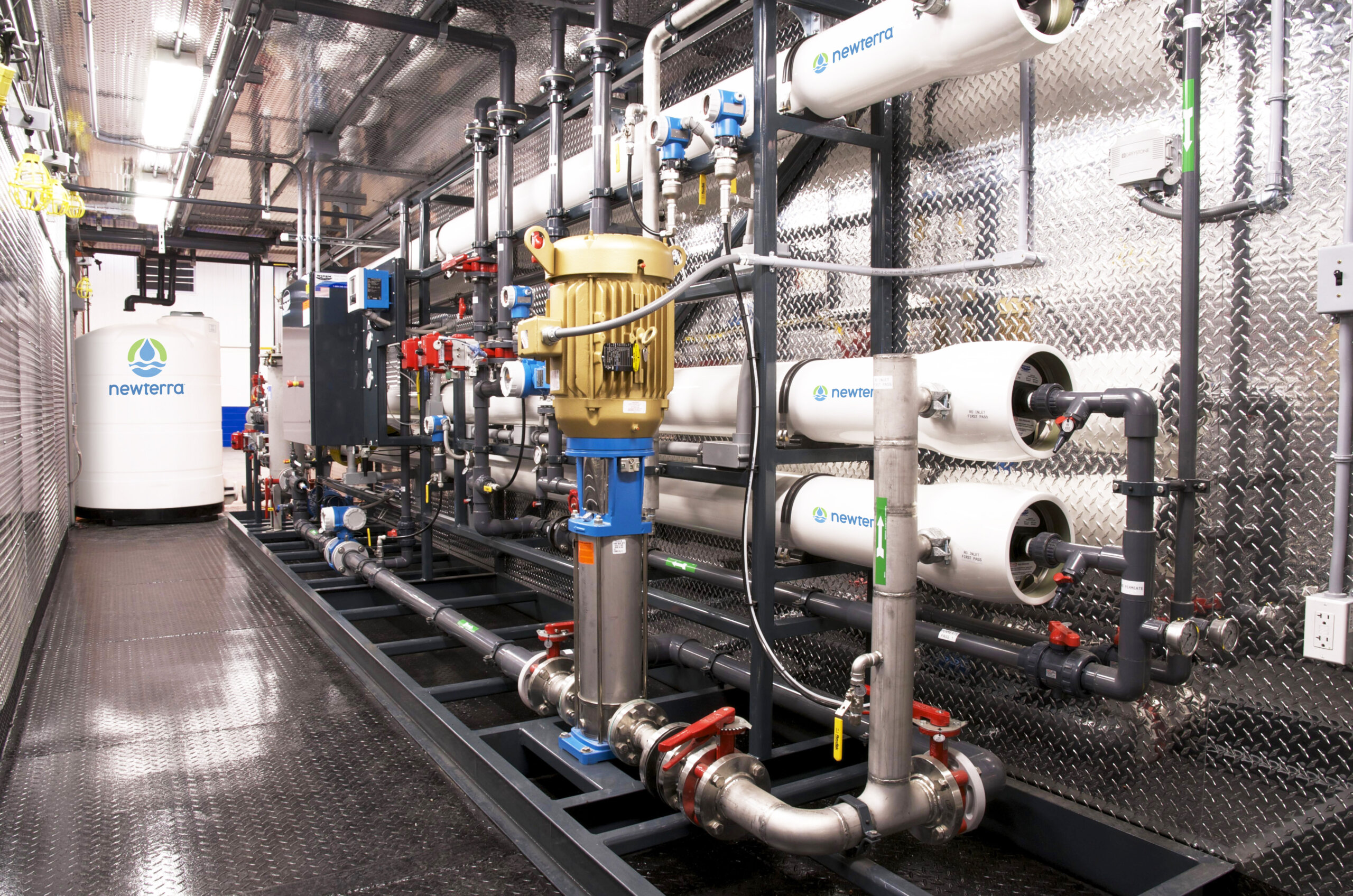
You know that blissful feeling when you chug a glass of water from an office cooler, and it’s so crisp it tastes like a hug from a mountain spring? Yeah, that magic doesn’t just happen. Somewhere behind the drywall and the breakroom sink, a whole secret society of engineers is responsible for making sure you don’t accidentally sip on yesterday’s coffee grinds or, worse, rust.
These folks are the ones who design and install potable water systems for commercial buildings. Think: skyscrapers, hospitals, shopping malls. They are the plumbing version of a backstage roadie for a rock band—nobody sees them, but if they mess up, the whole show turns into a flood of lawsuits and bad press.
Who actually makes these things?
It’s not one person in a cape. It’s a whole team of specialized wizards. You’ve got mechanical engineers who crunch numbers to make sure water pressure doesn’t turn your office toilet into a rocket launcher. Then you’ve got plumbing contractors who actually sweat the copper pipes and curse when a fitting doesn’t line up.
Must Read
And let’s not forget the manufacturers—companies like Watts, Uponor, and Zurn. They’re the ones who build the backflow preventers, the water heaters, and the fancy valves that stop your bathroom sink from spitting out hot-tub water when someone flushes a mop bucket. It’s a collective effort, like a bagpipe band trying to tune up in a library.
It’s all about keeping the bad stuff out
Here’s the real joke: your building’s water system is basically a giant security guard for your kidneys. Without a decent potable water system, you’re drinking water that was used to clean a floor mop ten floors up. Engineers call this “cross-connection” and they get sweaty just thinking about it.
That’s why they install backflow preventers—these clever little devices that look like plumbing origami. They literally say, “Nope, that dirty water is staying right where it belongs,” like a bouncer at a club who’s seen too many drunk cowboys. If you’ve ever wondered why that weird brass thing on the side of an office building is always dripping, that’s why.
Goodbye, old-school lead pipes
Remember the Flint water crisis? Yeah, commercial builders learned from that nightmare. The new heroes are the material scientists who make sure the pipes aren’t leaching lead or copper into your afternoon tea. They’ve switched to PEX tubing, stainless steel, and CPVC—stuff that doesn’t make water taste like a penny stuck in your mouth.
The big players here are Type A personalities with clipboards. They test water samples like a kid checking for monsters under the bed. If the pH is off by a decimal point, they’ll scrap an entire wall of pipes and start over. It’s exhausting, but I like drinking water that hasn’t touched a rusty bolt.
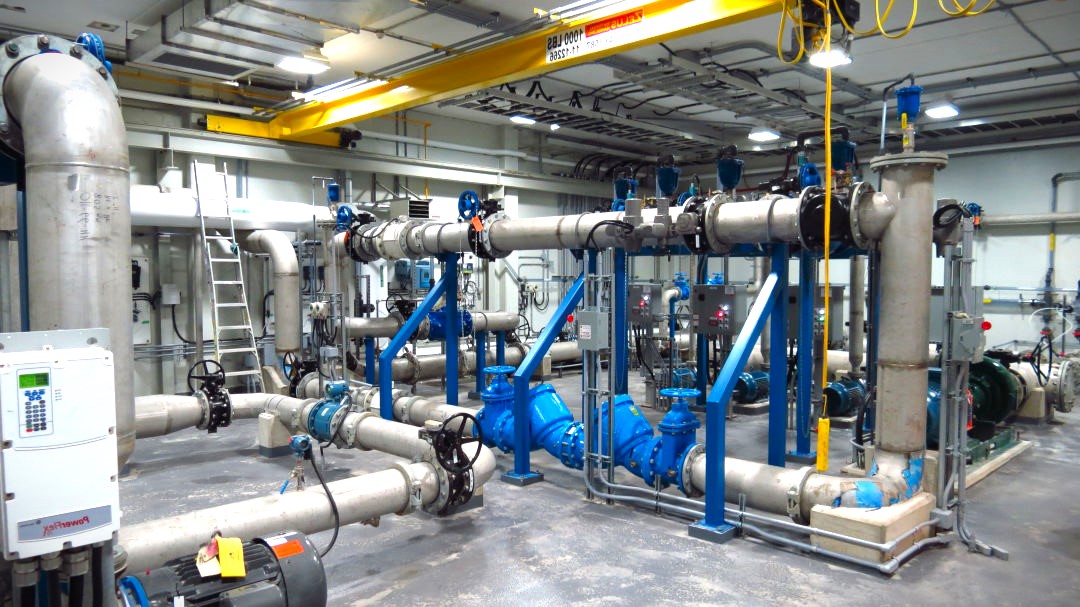 Industrial & Commercial Plumbing Contractors, Repair & Maintenance in
Real-life scenarios you’ll recognize
Picture this: you’re in a hotel lobby, and the water from the dispenser is warm. Not “refreshing” warm, but “tastes like a plastic straw that sat in the sun” warm. That’s a failure by the chiller system designer. Someone forgot to calculate the load of thirsty tourists coming off a 90-degree bus.
Or imagine a gym locker room where the water pressure is so low you have to rub soap on dry skin. That’s a pump sizing error. The engineer probably assumed nobody showers after leg day. Joke’s on them. We all did leg day. Now we’re all sticky.
The unsung heroes of your morning coffee
When you brew that first cup of office coffee, you’re relying on the water treatment system. Hard water? That’s scale build-up. Soft water? That’s a special ion-exchange unit. The people who make these are like baristas for plumbing—they know the right mineral balance so your coffee doesn’t taste like a chemistry experiment.
Companies like Culligan and Pentair do this at a giant scale. They install whole buildings with reverse osmosis systems that filter out everything except the H₂O molecules. It’s like a very expensive Brita filter for a skyscraper.
Why you should care (besides not dying of thirst)
Here’s the punchline: every time you flush a toilet, wash your hands, or fill a water bottle at your desk, you’re using a system that a team of strangers spent months designing. They argued over pipe diameters. They stayed late to fix a leak in a diagram. They hate your building’s architect for putting the water heater in a closet shaped like a rhombus.
So next time you take a long, refreshing sip from a commercial water fountain, just nod at the ceiling. Say a little thanks to the mechanical engineer who made sure you’re not drinking yesterday’s mop water. It’s the least you can do for the people who keep your building from becoming a swamp.
