When Should You Replace Co2 Cylinder In An Inflatable Pfd

So, you’ve got an inflatable PFD—the fancy life jacket that’s basically a wearable airbag. It’s sleek, it’s comfy, and it won’t make you look like a fluorescent marshmallow. B...
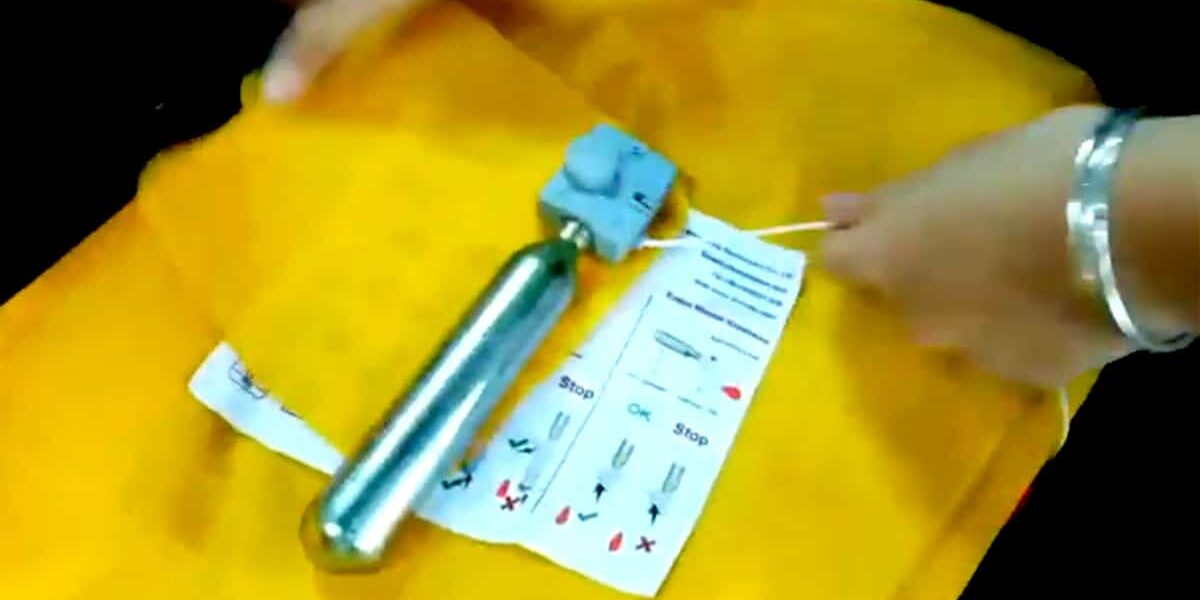
So, you’ve got an inflatable PFD—the fancy life jacket that’s basically a wearable airbag. It’s sleek, it’s comfy, and it won’t make you look like a fluorescent marshmallow. But here’s the kicker: that little CO₂ cylinder is the only thing standing between you and a face full of water. When should you replace it? Let’s dive in—no swimming pun intended.
The Golden Rule: Check the Date
Every CO₂ cylinder has a manufacturing date stamped right on it. Think of it like a milk carton, but way less dairy and way more life-saving. Most manufacturers say replace the cylinder every three years from that date, even if it’s never been used. Why? Because CO₂ can slowly leak through tiny seals over time—yes, even if the cylinder looks perfect. Trust me, you don’t want to find out your “full” cylinder is actually a hissy little whisper when you hit the water.
But It’s Never Been Fired—Do I Still Need To?
I hear you: “But it’s brand new, sitting in my closet!” Sorry, friend, but time is the enemy here. The seal on the cylinder degrades after a few years, and so does the O-ring inside the inflator mechanism. A visual inspection can’t tell you if the gas has micro-leaked. So yes, replace it—even if it’s never been fired. Think of it as a party popper that loses its pop after sitting in a drawer too long.
Must Read
After Every Inflation—Obviously
This one’s a no-brainer: if your PFD inflates—whether intentionally or by accident—replace the cylinder immediately. You can’t just screw it back on and hope for the best. Once the CO₂ is used, that cylinder is as empty as a politician’s promise. And please, don’t try to refill it yourself. You’re not a scuba shop, and this isn’t a DIY YouTube project—leave it to the pros.
What About a Partial Inflation?
Sometimes a PFD inflates halfway because the cylinder didn’t fully discharge. Maybe the mechanism was sticky, or the cylinder was only partially full. In that case, replace the cylinder anyway. You don’t know how much gas is left, and guessing is for lottery tickets, not life jackets. Also, investigate why it happened—could be a dirty inflator or a cracked cylinder. Better safe than soggy.
Physical Damage Is a Deal-Breaker
Take a good look at your CO₂ cylinder. Does it have dents, rust, or scratches that look like a cat had a tantrum? Any damage to the metal can weaken it, and a damaged cylinder under pressure is a tiny bomb waiting to happen. Replace it immediately. Also, if the cylinder’s threads are stripped or the neck is bent, it won’t seal properly—and that means a slow leak. No thank you.
The “Wobbly” Test
Screw the cylinder into the inflator by hand—don’t use tools, that’s how you strip threads. If it wobbles or feels loose even when tight, the cylinder or the inflator is worn out. Replace the cylinder first. If it still wobbles, you might need a new inflator head. Either way, don’t go swimming with a wobbly accessory. That’s just asking for an unfun surprise.
When in Doubt, Just Replace It
Here’s the simplest rule: if you can’t remember when you last swapped the cylinder, replace it. A new CO₂ cylinder costs about $10 to $20. Your life is worth at least a fancy coffee, right? Actually, it’s worth way more, but you get the point. Don’t overthink it—buy a spare cylinder and stash it in your gear bag. That way, you’re always ready, like a boy scout who forgot the marshmallows but remembered the life jacket gas.
 Servicing Type V Personal Flotation Devices (PFDs) - Captain's Word
Seasonal Checks and Storage Tips
At the start of every boating season, do a full inspection of your PFD, including the cylinder’s date and condition. Also, store your PFD in a cool, dry place—not in a hot car trunk or damp basement. Extreme heat and cold can shorten the cylinder’s lifespan. Think of it like a vampire: keep it out of direct sun and away from moisture, and it’ll last longer.
The Little Plastic Tab
You know that small, green or yellow tab on your inflator? That’s the indicator—it shows if the cylinder is still sealed. If the tab is missing or broken, the cylinder might have been partially discharged. Replace it. Also, check the O-ring on the inflator—if it’s cracked, dry, or missing, new cylinder or not, you’ll get a leak. A tiny rubber ring is cheap insurance.
What About Reusable or Refillable Cylinders?
Some folks ask if they can buy refillable CO₂ cylinders. The answer is: no, for consumer PFDs. Refillable cylinders are for industrial or dive gear, and they require periodic hydrostatic testing. Your inflatable PFD is designed for one-time-use cylinders—screwing on a refillable one is like putting jet fuel in a lawnmower. It might work, but it’s not safe. Stick with the disposable ones.
The “What If” Scenario
Imagine you’re out on the water, and—splash!—you go in. You pull the toggle. Nothing. Your cylinder was empty. That’s a scenario that could turn a funny story into a terrifying one. Replacing your CO₂ cylinder on schedule is the cheapest, easiest way to ensure that when you need it, it works. No gas, no flotation. It’s that simple.
The Final, Uplifting Word
Look, replacing a CO₂ cylinder isn’t glamorous. It’s not a new gadget or a cool upgrade. But every time you swap that little canister, you’re giving yourself a high-five from future you. You’re saying, “Hey, I care about my adventures, my loved ones, and my own soggy self.” So go ahead—buy that spare cylinder, screw it in, and give your PFD a pat. Then go out on the water with a big, goofy grin, knowing you’ve got a perfect air pocket ready to pop. The sun’s shining, the waves are calling, and your life jacket is ready. What a time to be alive—and floating.
