What Do You Call Water Without Much Calcium And Magnesium

You know that feeling when you pour a glass of water and it just feels right? Clean, crisp, maybe a little silky on your tongue. If you’ve traveled to a place with famously go...
You know that feeling when you pour a glass of water and it just feels right? Clean, crisp, maybe a little silky on your tongue. If you’ve traveled to a place with famously good tap water—like New York City or Tokyo’s mountain springs—you’ve probably tasted soft water, scientifically known as water with low calcium and magnesium content. That’s the official term: soft water, the unsung hero of your morning brew and your shower routine.
But let’s get geeky for a second. The technical name is low-hardness water, and hardness is just a measure of dissolved calcium and magnesium. When those minerals are sparse, we call it soft. It’s not just a marketing gimmick; it’s a real chemical state that affects everything from your soap scum to your digestion.
Why You’ve Been Silently Judging Your Water
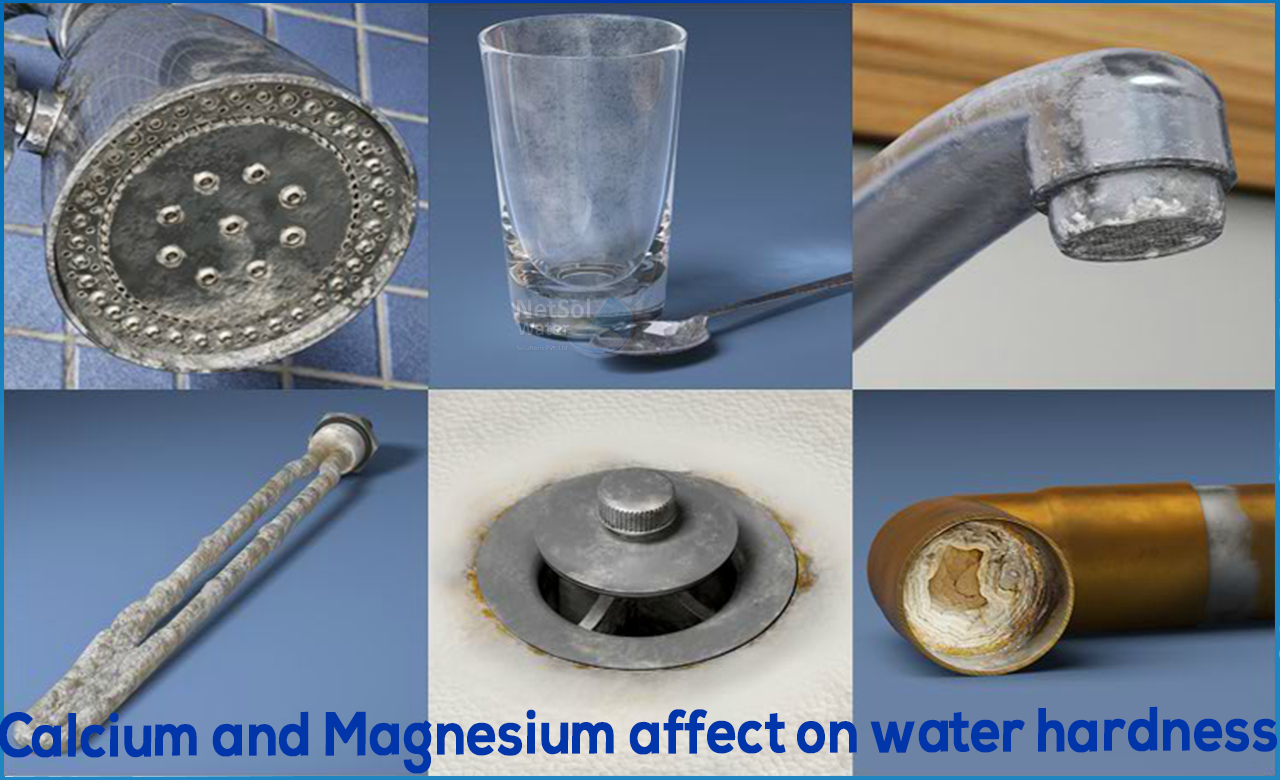
If you’ve ever had a film on your coffee or a chalky ring around your bathtub, you’ve met hard water, its loud, aggressive cousin. Soft water is the chill, minimalist friend who never leaves a mess. It’s why baristas in Milan swear by filtered water—because calcium can ruin the delicate balance of espresso extraction.
Must Read
Fun fact: Hard water is actually better for you in terms of dietary minerals, with about 50–100 milligrams of calcium per liter. But for taste and texture, soft water wins every blind taste test. Your taste buds are basically a very picky sommelier.
Not Just For Drinking: The Everyday Magic
Soft water is a powerhouse for your appliances. Kettles last longer, washing machines stop crying, and your skin feels less like a dried fruit after a shower. That’s because soft water doesn’t react with soap to form sticky scum. Instead, it lathers beautifully, letting you use half the shampoo.
Here’s a tip: If your dishwasher leaves spots on glasses, your water is likely hard. Those spots are just calcium and magnesium banging out after a hot dance party. Soft water gives you streak-free shine without a single drop of rinse aid. It’s the lazy person’s dream come true.
Cultural Water Wars: The Great Debate
In the UK, water hardness is a regional identity. Londoners brag about their “crisp” water from the Thames, which is actually very hard, while Scots in the Highlands drink naturally soft water from granite hills. It’s like a national sport, with taste tests at pubs and memes about “crunchy” tea. In Japan, soft water is revered for making ochazuke (rice in green tea) taste cleaner.
Pop culture tip: Next time you watch Breaking Bad, remember that Walter White lived in Albuquerque, which has famously hard water. That white residue on his coffee cup wasn’t just dramatic lighting—it’s geology. Soft water is the liquid equivalent of a crisp indie film; hard water is a blockbuster with lots of residue.
How To Get Soft Water Without Moving To Norway
You don’t need to sell your house. Water softeners (ion-exchange systems) are the nuclear option, swapping calcium for sodium. They cost a few hundred dollars, save you on detergent, and make your water feel like a spa treatment. Alternatively, use a filter jug with ion-exchange resin—like a Brita but for hardness, not just taste.
 Alkaline Water the Best Source of Calcium, Magnesium – Life Ionizers™
Practical hack: Boiling water doesn’t remove hardness; it just concentrates it. Instead, add a pinch of baking soda to a pot of hard water when cooking pasta—it helps neutralize some minerals. For drinking, the simplest trick is to let your tap water sit in a pitcher for an hour. The calcium settles slightly, giving you softer sips.
One more fun fact: The word “calcium” comes from Latin calx, meaning lime. So hard water is literally “limey water.” That’s why your teapot gets that chalky layer—it’s lime scale, a geological artifact in your kitchen. Soft water? No lime. Just pure, H₂O clarity.
The Skin Deep Connection
Beauty editors are obsessed with soft water for a reason. Hard water can leave a film on your hair that makes it look dull and frizzy, because the minerals react with your shampoo. Soft water allows your natural oils to work better, leading to shinier locks and less eczema. Dermatologists call it “the invisible skincare product.”
Pro tip: If you’re on hard water but can’t install a softener, use a chelating shampoo once a week. It’s like a detox for your hair. But honestly, nothing beats the real thing. Next time you visit a city with soft water—like Portland, Oregon, or most coastal Scandinavian towns—notice how your skin feels. It’s not your imagination; it’s the water.
The Philosophical Angle
Think about it: We call it “hard” and “soft” water, borrowing human adjectives for personality. Hard water is stubborn, tough, demanding. Soft water is gentle, accommodating, easy to live with. In a world that often feels hard, maybe we could all use a little more softness—even from our tap.
So the next time you sip a glass of clean, low-calcium water, remember: you’re not just hydrating. You’re choosing the path of least resistance, of smoother mornings and glossier hair. And honestly, isn’t that a little act of daily rebellion? Pour yourself a glass, take a deep breath, and taste the soft side of life.
